Escort plans meet operational limits
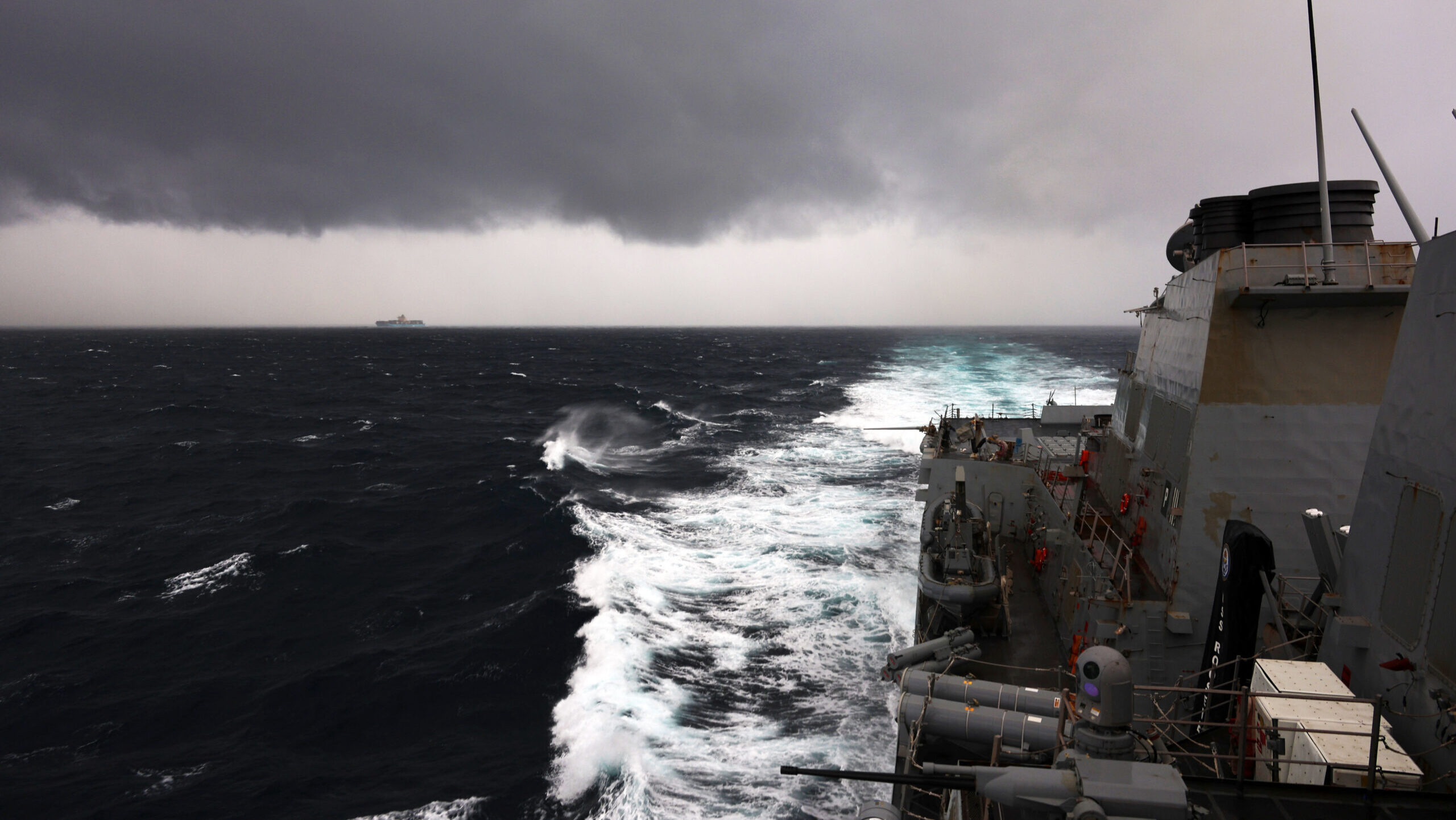
The US Navy does not have the capacity to provide large-scale escort services for commercial shipping through the Strait of Hormuz under current conditions, according to Chief of Naval Operations Adm. Daryl Caudle. In testimony to the Senate Appropriations Committee, Caudle said that while the Navy can continue actions that support the broader blockade around Iranian maritime traffic, directly escorting ships through the contested strait would exceed what the service can do effectively.
The statement matters because it cuts against earlier political signaling that such escort missions could begin if needed. It also provides a blunt public assessment from the Navy’s senior officer about the mismatch between strategic ambition and operational bandwidth in one of the world’s most sensitive waterways.
Why the Strait of Hormuz is uniquely difficult
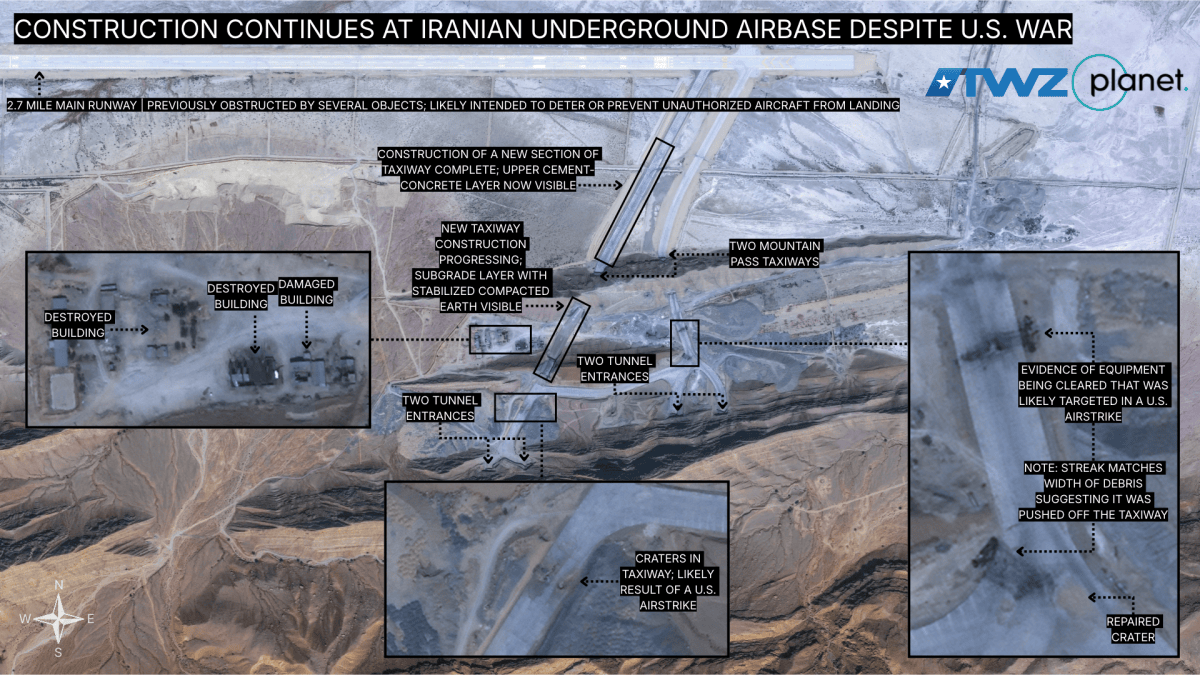
The Strait of Hormuz is a narrow maritime choke point with immense economic significance, especially for global energy flows. In the current crisis, the United States has been enforcing a blockade on maritime traffic entering and exiting Iranian ports since April, but transit through the strait for ships traveling to and from non-Iranian ports has not itself been formally blocked by the US. Even so, the threat environment has sharply reduced traffic, with fears of attack from Iran or proxy forces discouraging passage.
Caudle’s testimony underscores why escort operations are not a simple extension of naval presence. Conducting escorts in a contested strait means dealing with mines, missile threats, fast attack craft, drones and the compression of maritime traffic into a narrow corridor. He specifically described both demining and escort duty in such a setting as highly challenging. In practical terms, protecting tankers one by one would demand ships, surveillance, command coordination and defensive capacity on a scale the Navy says it cannot sustain effectively at present.
From political proposal to military caution
The issue has been politically charged for months. In early March, President Donald Trump said the United States Navy would escort tankers through the strait if necessary. That mission never materialized. More recently, Trump said naval ships would support commercial vessels under what he called Project Freedom, before reversing course two days later and citing both foreign requests and the success of the broader military campaign.
Caudle’s remarks now give the clearest public military explanation for why a mass escort effort has not moved ahead. The Navy is effectively arguing that the concept is not impossible in theory, but unsound at scale under present operational conditions. That distinction is important. It suggests the service is prioritizing measures that pressure Iran and shape negotiations without taking on a mission set that could overstretch forces and increase vulnerability.
The blockade remains the central tool
Even while rejecting the idea of broad escort duty, Caudle said the blockade has been effective and may be the most important military operation undertaken to push negotiations with Tehran to their current stage. According to US Central Command figures cited in the source material, US forces have redirected 94 commercial vessels and disabled four as part of blockade enforcement.
That implies the Navy sees indirect control and selective interdiction as more achievable than convoy-style protection. A blockade can concentrate effort on restricting hostile or sanctioned flows while avoiding the burden of guaranteeing passage for a wide range of commercial shipping. It is still resource-intensive, but it appears to fit the Navy’s available capacity better than trying to provide routine escorts through a contested strait for potentially large numbers of vessels.
What has to change before escorts become plausible
Caudle indicated that a generally accepted ceasefire would be needed before escort operations could be turned on at scale. That comment is revealing because it frames escorts not as a wartime breakthrough tool, but as something closer to a stabilization measure once the threat level drops. In other words, the Navy is signaling that the current environment is too dangerous and unpredictable for mass escort duty to be practical or effective.
This also points to the role of mine warfare and maritime clearance. Even powerful navies face severe constraints in narrow waters where mines, missile batteries and small-boat attacks can complicate maneuver. Escorting tankers is not only about placing a destroyer nearby. It is about assuring a route, maintaining awareness, responding to attacks and preserving enough force to do that repeatedly without hollowing out other missions.
A candid measure of strain
Caudle’s comments are a reminder that naval power is finite even for the United States. The Navy can blockade, surveil, strike and deter, but each mission consumes scarce capacity. In this case, the top uniformed officer is openly saying that one highly visible mission being discussed publicly would stretch the fleet beyond what he considers effective. That candor matters because it exposes the operational arithmetic often hidden beneath broad strategic rhetoric.
It also highlights the tension between global commitments and force structure. The United States is expected to maintain readiness in multiple theaters while handling peacetime presence, crisis response and deterrence. A demand to escort shipping through the Strait of Hormuz on a broad basis would compete directly with those other responsibilities.
Why the testimony matters now
Negotiations with Iran are still underway, and the maritime pressure campaign remains part of the leverage surrounding them. In that setting, Caudle’s testimony serves two purposes. It explains the limits of an escalatory option and clarifies that the current naval approach is built around pressure, not blanket protection. That may disappoint shipping interests hoping for direct escort assurance, but it offers a more realistic picture of what the Navy believes it can sustain.
The result is a strategic message shaped by constraint: the United States can influence the maritime battlespace in the Gulf, but it cannot simply switch on a high-intensity escort regime without paying a price in capacity and effectiveness. In one of the world’s most volatile chokepoints, that admission is consequential in its own right.
This article is based on reporting by Breaking Defense. Read the original article.
Originally published on breakingdefense.com