Turkey says Kizilelma has entered service
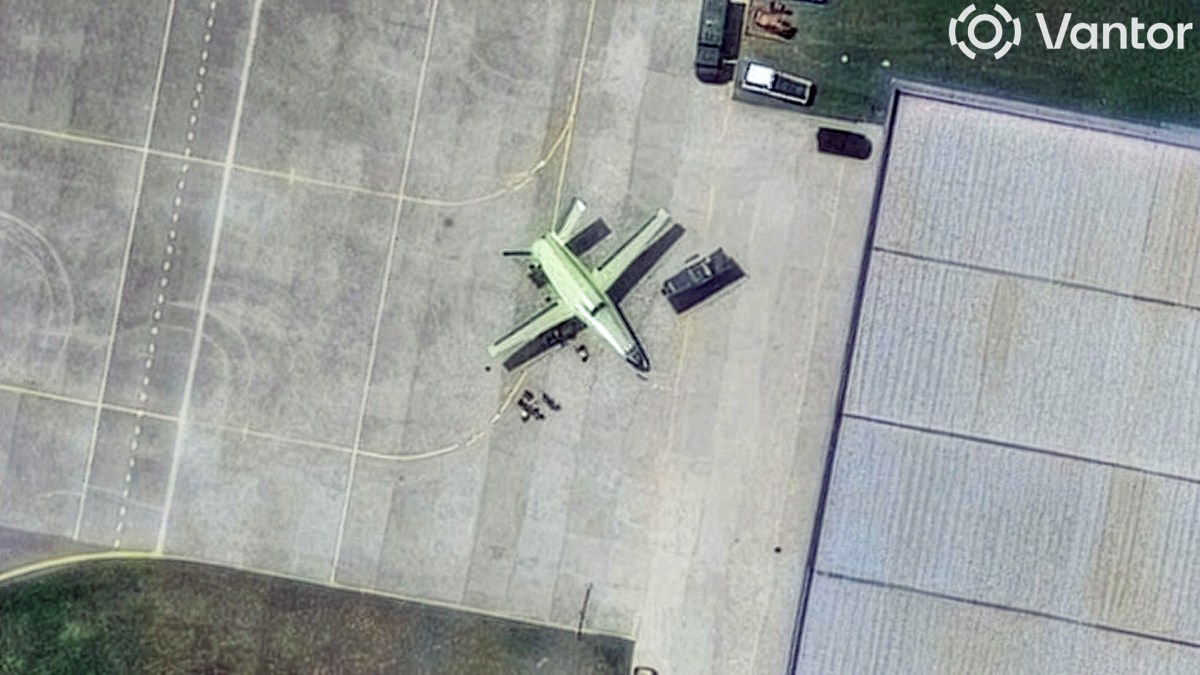
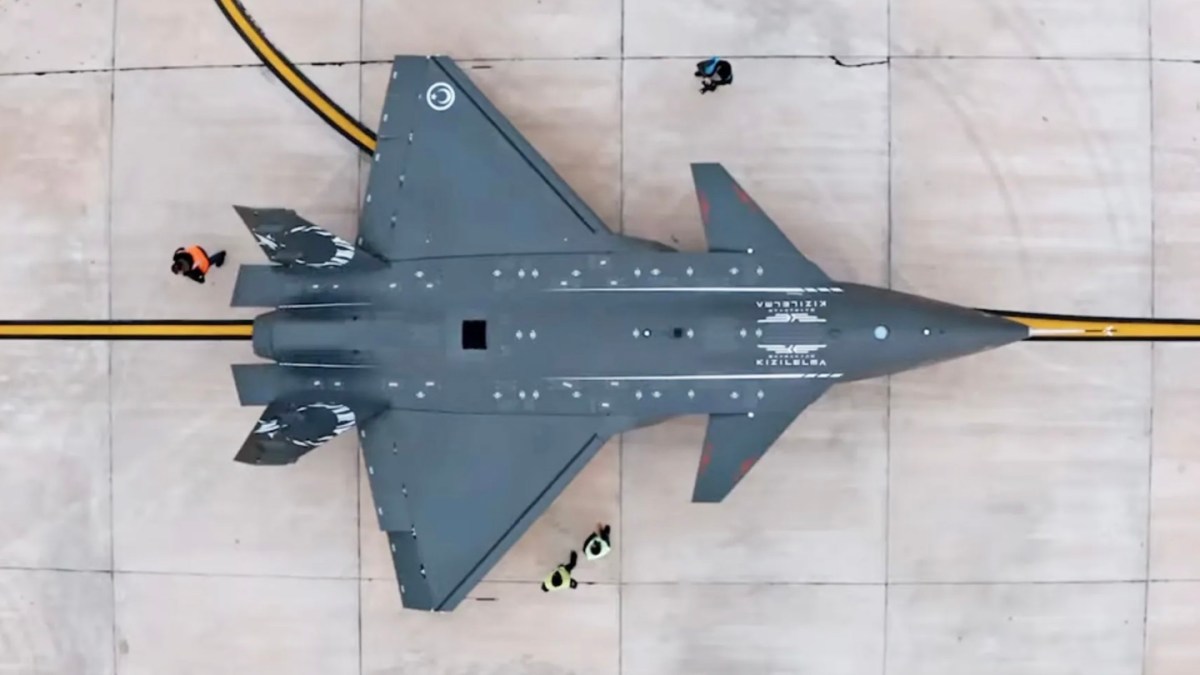
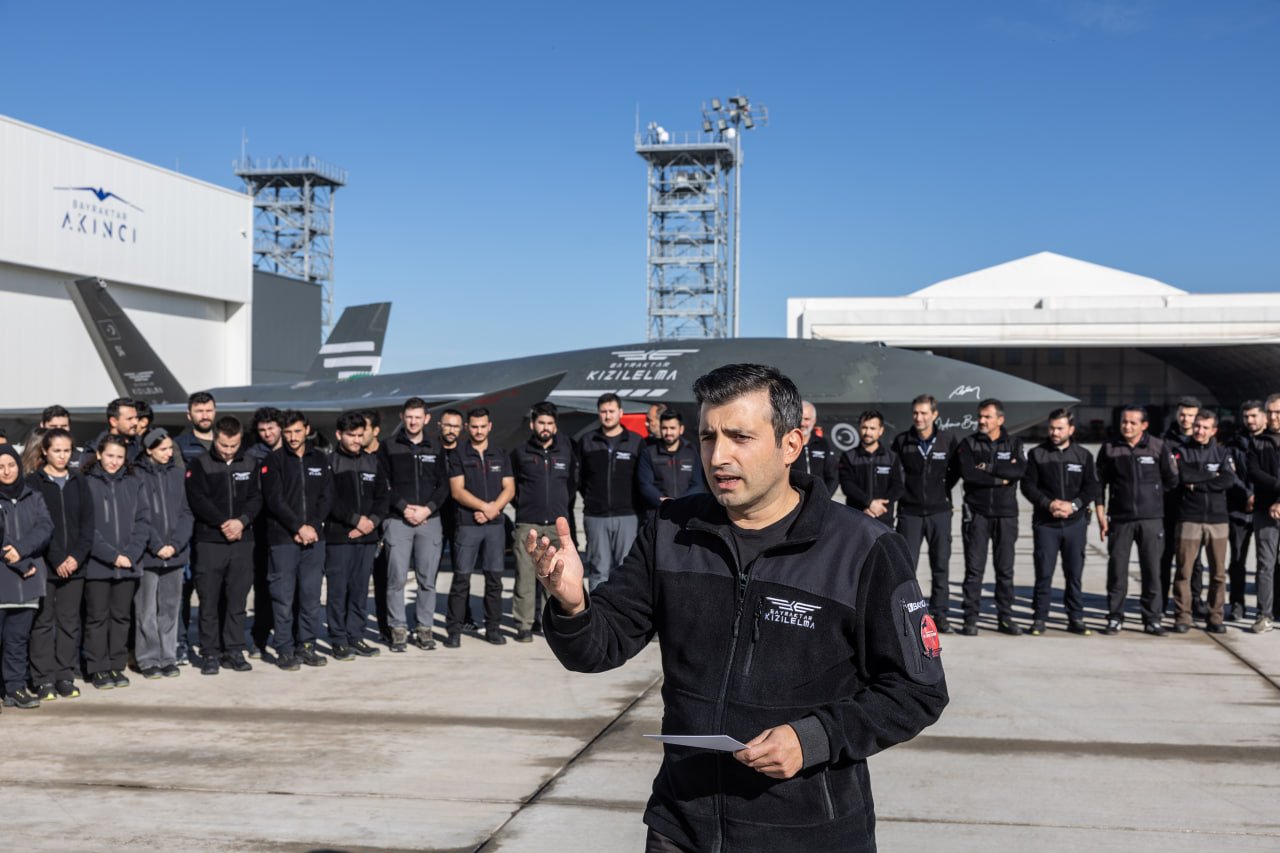
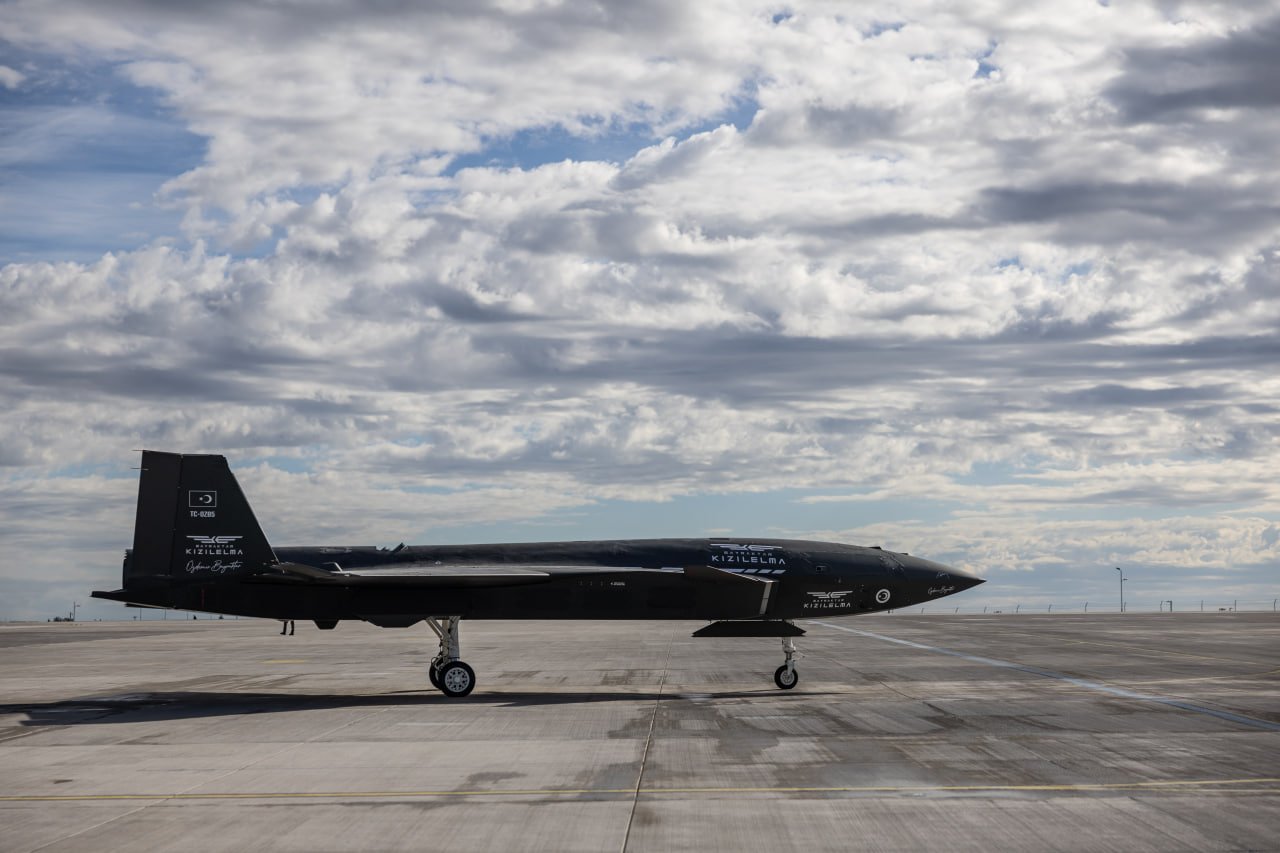
Turkish drone manufacturer Baykar says the first three Bayraktar Kizilelma uncrewed combat aircraft have entered the inventory of the Turkish security forces following acceptance testing. The company presented the handover as the first operational induction anywhere of an uncrewed aircraft it characterizes as a fighter jet.
The announcement marks a new stage for a program that Baykar first unveiled in 2021. Since then, the aircraft has progressed through flight testing and weapons integration. Baykar says the Kizilelma program has accumulated about 600 test and training sorties.
The public announcement does not detail the unit receiving the aircraft, their initial operational missions, or the precise configuration accepted into service. It does, however, establish that the company considers the initial batch to have passed the acceptance process required for inventory entry.
More than a conventional armed drone
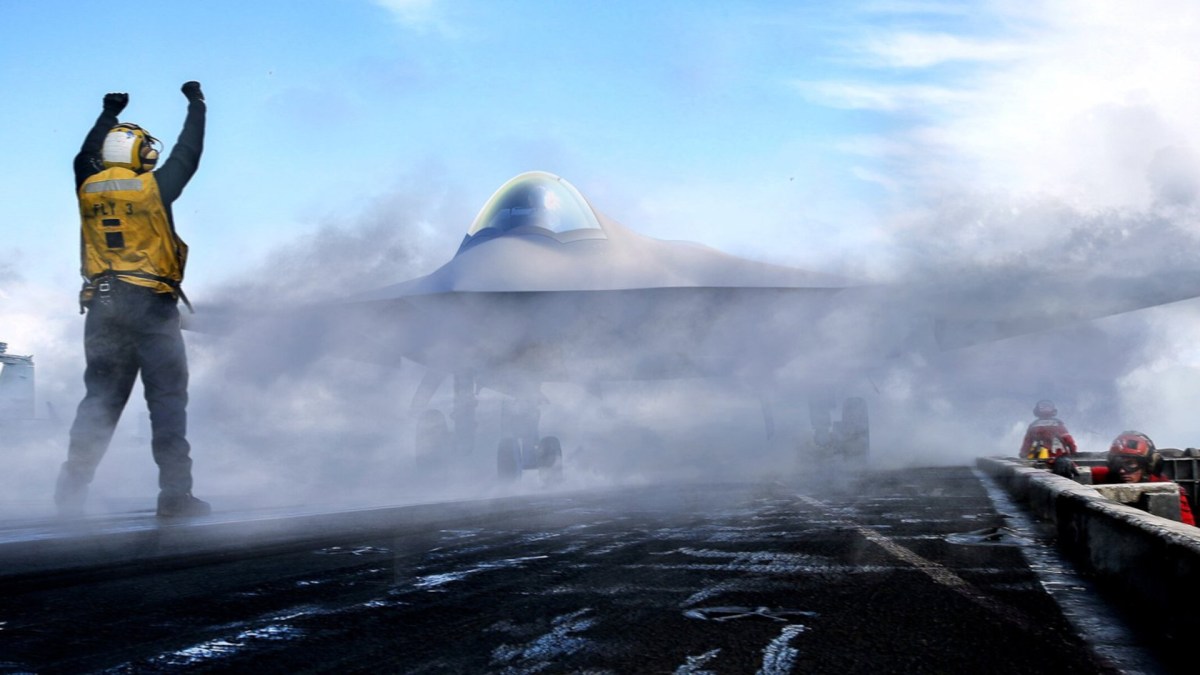
Kizilelma belongs to a class of uncrewed combat aircraft that does not fit neatly within the conventional UCAV label. That term has often been used for sophisticated, jet-powered aircraft designed to penetrate defended airspace, strike ground targets, conduct electronic attack, or collect intelligence and reconnaissance data.
Such aircraft can carry guided bombs and missiles, but weapons carriage alone does not make them fighter aircraft. Baykar’s concept for Kizilelma is different in emphasis: it is intended for fighter-type missions, including air-to-air combat. That focus is central to the significance of the Turkish declaration.
The distinction matters because it shifts the discussion from remotely or autonomously delivered strike capability toward an aircraft expected to contribute to demanding aerial missions. The article does not claim that Kizilelma has conducted combat operations, nor does it specify which air-to-air weapons or mission systems have been accepted. Its reported milestone is operational induction after testing, not a record of combat use.
A crowded international direction
The program arrives as several countries pursue fighter-like uncrewed aircraft. The United States, China, Australia and European countries are developing concepts for uncrewed systems intended to operate in more demanding combat environments, including alongside crewed fighters.
That broader activity helps explain why a Turkish inventory announcement is notable beyond the national program itself. The question is no longer simply whether armed drones can carry out surveillance or strike missions. It is increasingly whether uncrewed aircraft can perform roles traditionally associated with fighters and integrate into the force structures built around crewed combat aircraft.
Baykar was an early participant in the emerging fighter-drone category, according to the report. Its claim of a first operational induction will likely draw attention because the category itself remains fluid. Terms such as UCAV can cover systems with very different levels of speed, survivability, mission ambition and autonomy.
What the milestone does—and does not—show
- Baykar says three Kizilelma aircraft have been accepted into the Turkish security forces’ inventory.
- The company says the program has completed acceptance testing and logged roughly 600 test and training sorties.
- Kizilelma was designed for fighter-type roles, including air-to-air combat.
- The available report does not specify missions, operational units, weapons loadouts or combat deployment.
The first three aircraft therefore represent an early operational step rather than proof that the fighter-drone concept has been fully resolved. But their reported acceptance gives Turkey a concrete program milestone while comparable efforts elsewhere remain under development. It also makes Kizilelma a closely watched test case for how an uncrewed, fighter-oriented aircraft moves from demonstrations and weapons integration into routine military use.
For now, the most defensible conclusion is narrow: Baykar and Turkish authorities have moved Kizilelma from a test program toward fielded capability. How broadly it is deployed, how it is employed, and how it performs in the missions for which it was designed remain questions the announcement does not answer.
This article is based on reporting by twz.com. Read the original article.
Originally published on twz.com