A naval campaign with a wider reach
Ukraine’s campaign against Russian maritime assets appears to have moved well beyond the Black Sea. A Russian Navy corvette was left burned, capsized and sunk at the port of Benghazi in eastern Libya after an alleged Ukrainian uncrewed surface vessel attack, according to satellite imagery reviewed by The War Zone and reporting cited by the outlet.
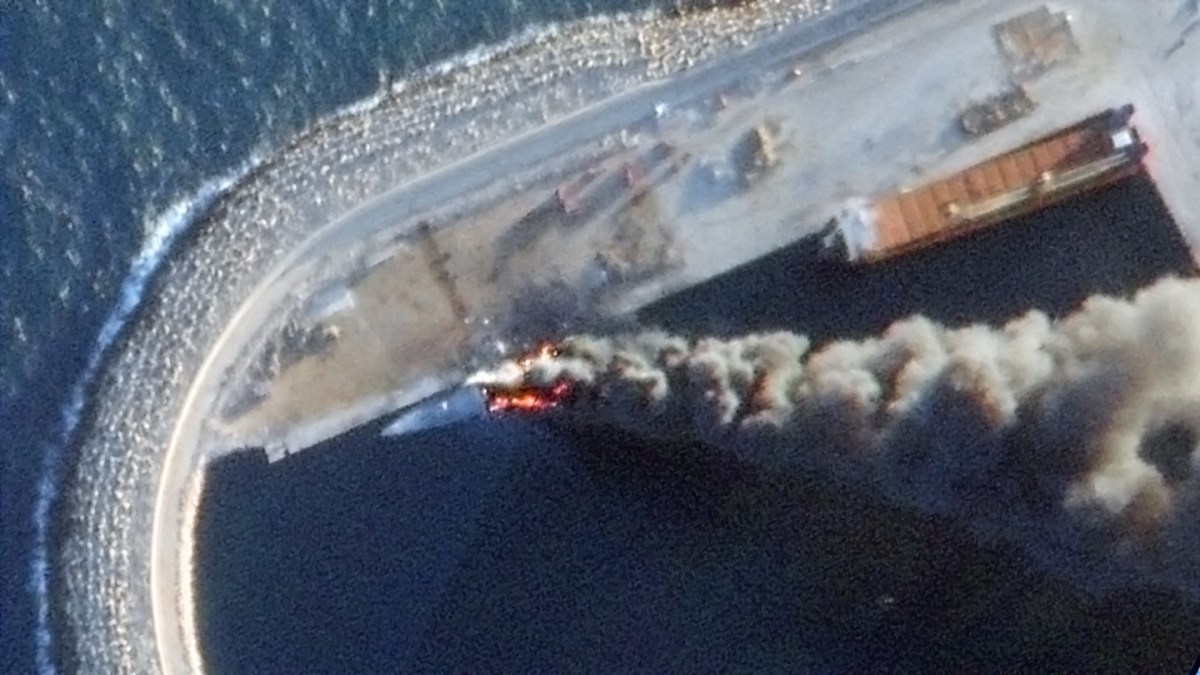
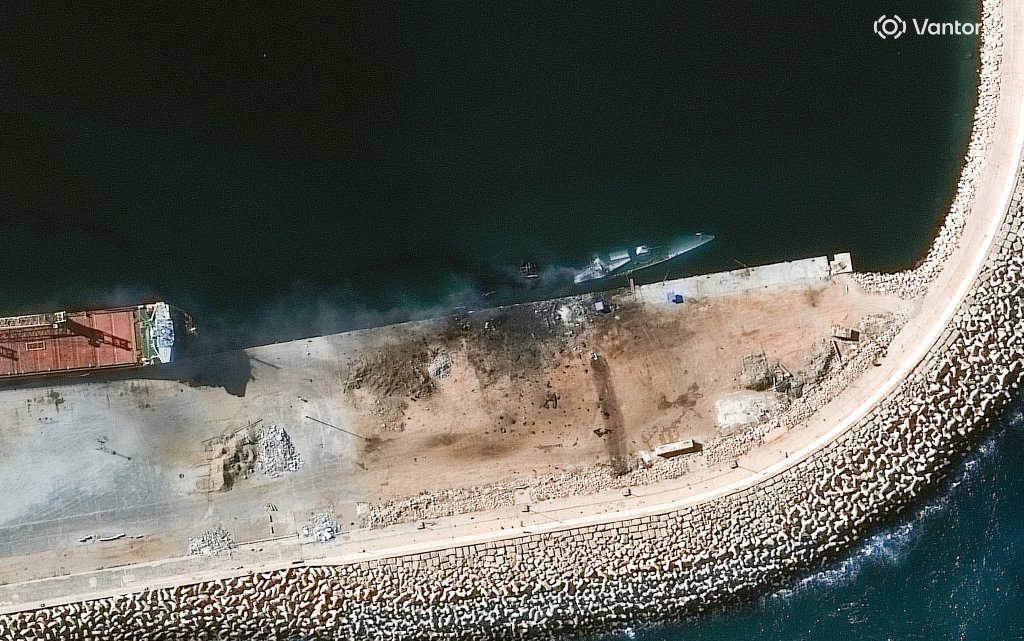
The vessel was identified as the Project 20380 Steregushchiy-class corvette Merkury. Images obtained by The War Zone show the ship overturned with only its forward bow remaining visible above the water. Smoke and debris were visible around the dock. A separate image collected before the vessel rolled over showed the corvette on fire.
The incident comes alongside reported strikes on Russian cargo shipping off Benghazi and in the Baltic Sea. Taken together, the events suggest a potential expansion in the geography of attacks linked to Kyiv’s effort to put pressure on Russian naval capabilities and maritime logistics.
What the imagery shows
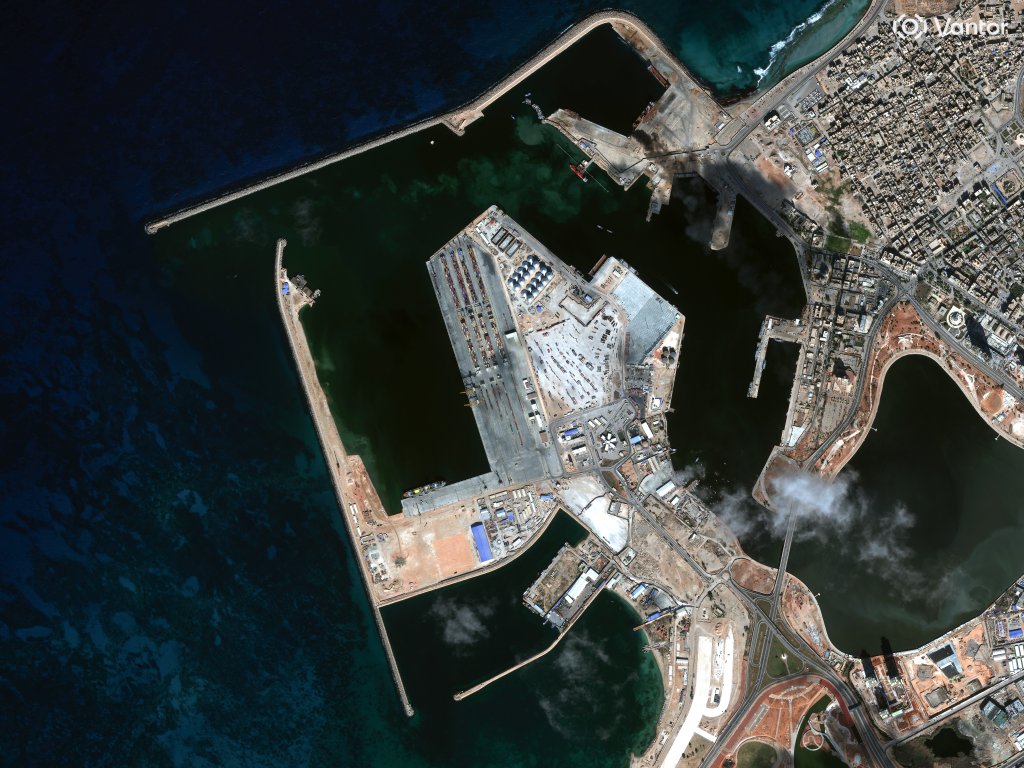
Satellite images cited by The War Zone offer the clearest available evidence of the condition of the Merkury after the attack. One image showed the corvette capsized at its berth. Another wider view showed the path sea drones would have had to travel inside the port to reach the warship.
The imagery also included a pre-attack view of the vessel, providing a direct comparison with the subsequent damage. Such before-and-after imagery cannot by itself resolve every question surrounding responsibility or the launch method, but it documents the substantial physical outcome: the corvette was no longer operationally afloat in its prior condition.
The Associated Press, as cited by The War Zone, reported that the ship had been docked at Benghazi when several Ukrainian sea drones were launched at it from a base run by Ukrainian forces in western Libya. That account said at least four drones were intercepted and destroyed, while two struck the warship. The War Zone said it could not independently confirm whether the drones were launched from land, as reported, or from a vessel.
Why Benghazi matters
The reported attack location is strategically notable. Benghazi is on Libya’s Mediterranean coast, far from the Black Sea, which has been the principal theater for Ukraine’s high-profile use of maritime drones against Russian forces. A successful attack on a Russian warship there would indicate an ability to threaten naval assets and associated shipping outside the waters most closely associated with the war.
The potential implications extend beyond the loss of one vessel. Russia’s maritime activity depends on the movement, protection and support of ships across a broader network of ports and sea routes. An expanded threat picture could require additional security measures, change port practices, or complicate the deployment of naval assets even when they are far from Ukraine.
It also underscores how uncrewed maritime systems have altered the operational environment. Relatively small systems can impose risk on much larger warships, especially in confined port areas where a vessel’s movement is limited and the approaches must be protected. The imagery’s apparent depiction of drones traveling within the port highlights the difficulty of securing every route to a moored ship.
Reports of additional shipping attacks
The Benghazi incident was not presented in isolation. The War Zone reported that a Russian cargo ship was also struck by Ukrainian uncrewed surface vessels while operating off Benghazi. It additionally noted a suspected Ukrainian drone attack on a Russian cargo ship in the Baltic Sea on Saturday.
Those reports matter because cargo ships and naval combatants create different operational problems. A corvette is a military asset with defensive systems and a trained crew, while cargo shipping supports the movement of goods and potentially other supplies. Pressure against both could broaden the practical effect of the campaign beyond direct combat losses.
However, the available source text does not establish the full circumstances of each incident, the extent of damage to the cargo vessels, or definitive responsibility for every reported strike. Those distinctions remain important. The confirmed visual evidence described by The War Zone is strongest for the damaged Merkury; details surrounding launch points and other attacks should be treated as reported rather than independently settled facts.
A changing maritime contest
Ukraine’s use of uncrewed surface vessels has already demonstrated that naval power can be challenged by systems that are less expensive and less conspicuous than traditional warships. The reported Benghazi attack would extend that lesson into a different strategic setting: a foreign port on the Mediterranean, rather than a familiar Black Sea operating area.
For Russia, the central question is whether this represents a one-off operation or an enduring ability to endanger ships, cargo traffic and naval support activity over a much wider area. For Ukraine, the operation’s apparent message is that distance from the Black Sea may no longer guarantee insulation from the maritime conflict.
The immediate result visible in satellite imagery is clear: a Russian corvette appears to have been destroyed at its berth. The wider significance will depend on what follow-on evidence reveals about the attacks, the methods used and whether comparable operations recur beyond the Black Sea.
This article is based on reporting by twz.com. Read the original article.
Originally published on twz.com