Search follows reported attacks near Benghazi
Russia is reportedly expanding its effort to find a vessel that Ukraine says was used as a mothership to launch uncrewed surface vessels against ships in and near Benghazi, Libya. The reported search comes alongside increased security at the port facility and reflects the growing importance of Libya to Russian logistics and operations in the Mediterranean and Africa.
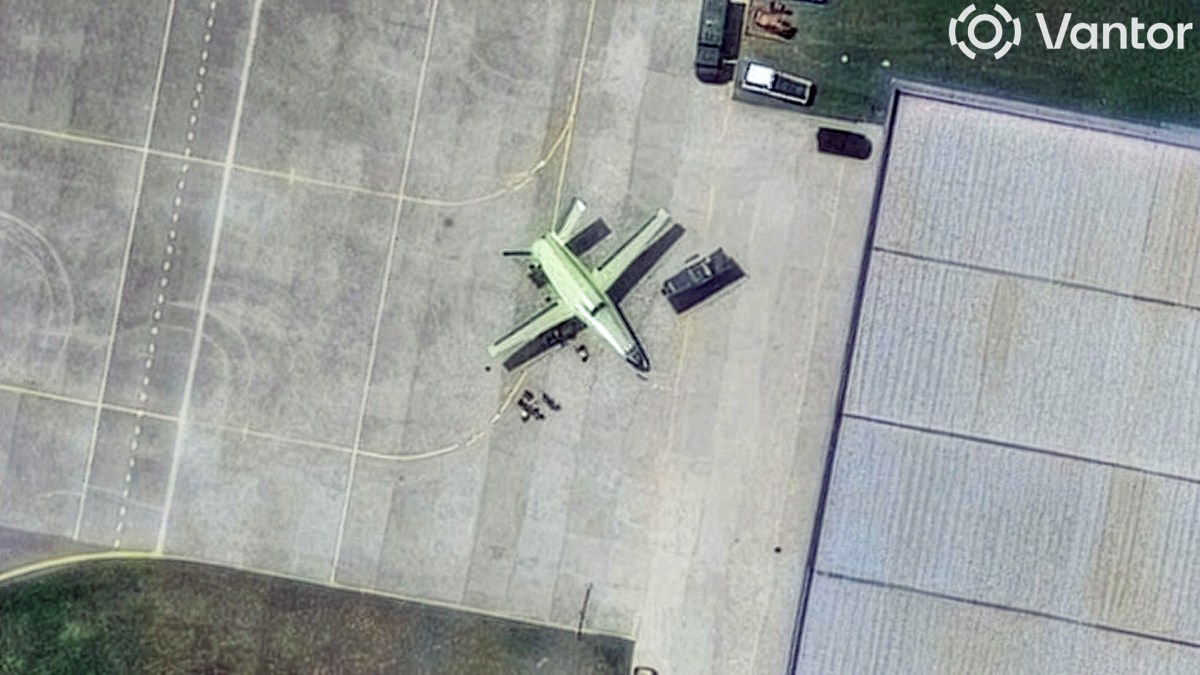
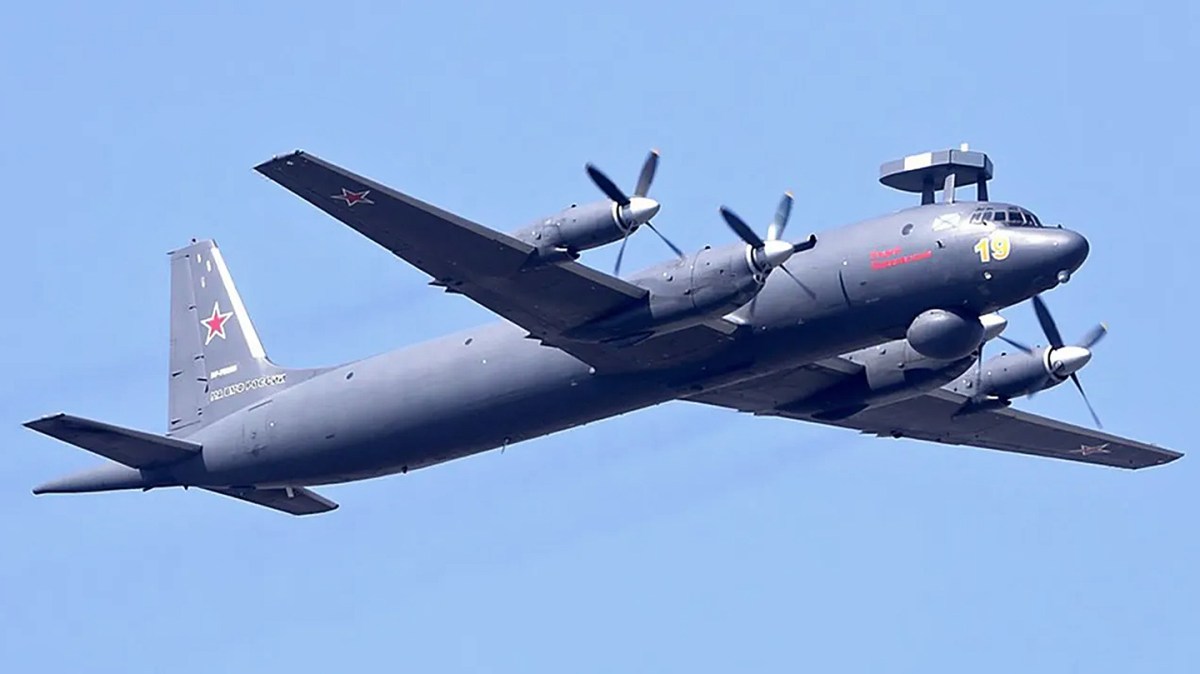
According to The War Zone, Russia deployed an IL-38 maritime patrol aircraft as part of the effort to locate the alleged mothership. The report said security at the Benghazi facility was also being strengthened following the attacks, while a Russian supply convoy bound for Libya reportedly turned around after the incidents.
The account concerns uncrewed surface vessels, often called sea drones or USVs. Ukraine has said it used a mothership to launch the craft in the Benghazi operation. The source report describes the Russian response as part of a wider attempt to protect Moscow’s interests in Libya.
Reported damage at the port
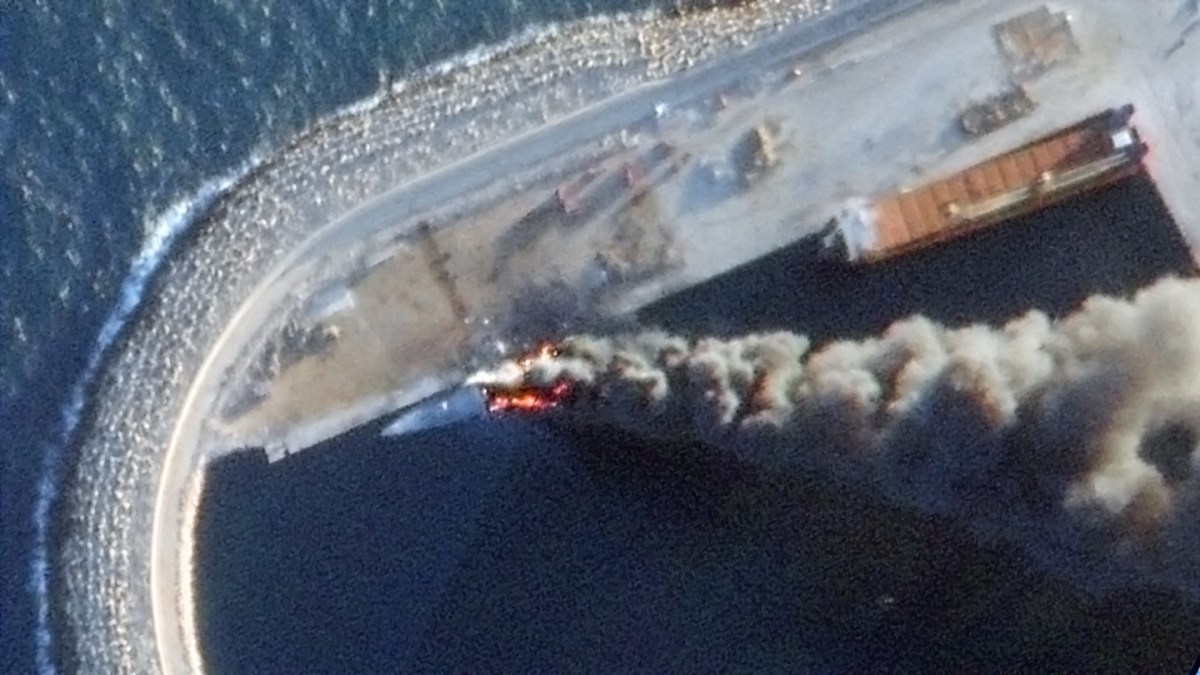
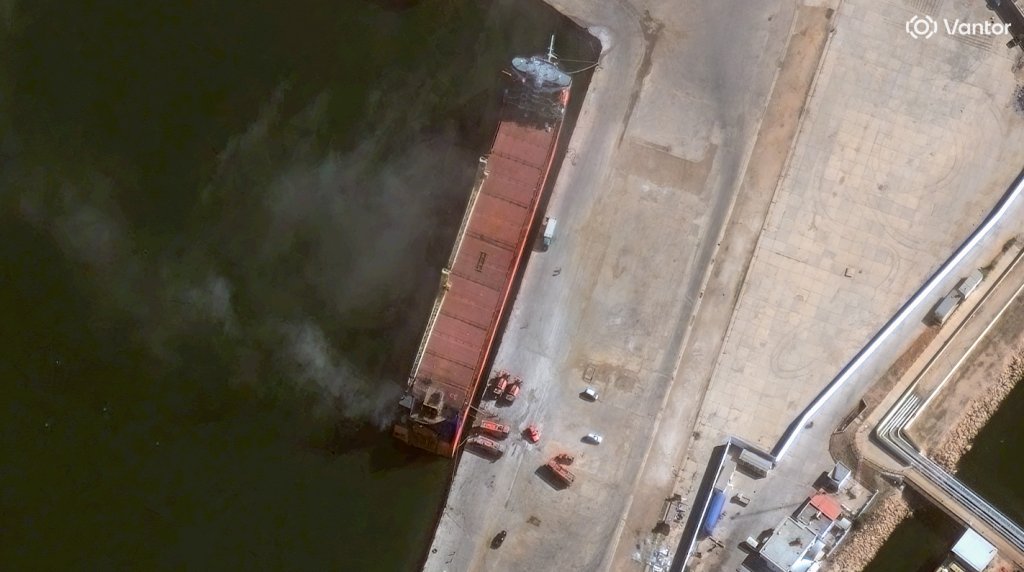
The reported strikes took place on Sunday, according to the account. The Project 20380 Steregushchiy-class corvette Merkury reportedly sank after being struck while moored at a Benghazi dock. The dry-cargo vessel MV Angara was also reported damaged while operating near the port.
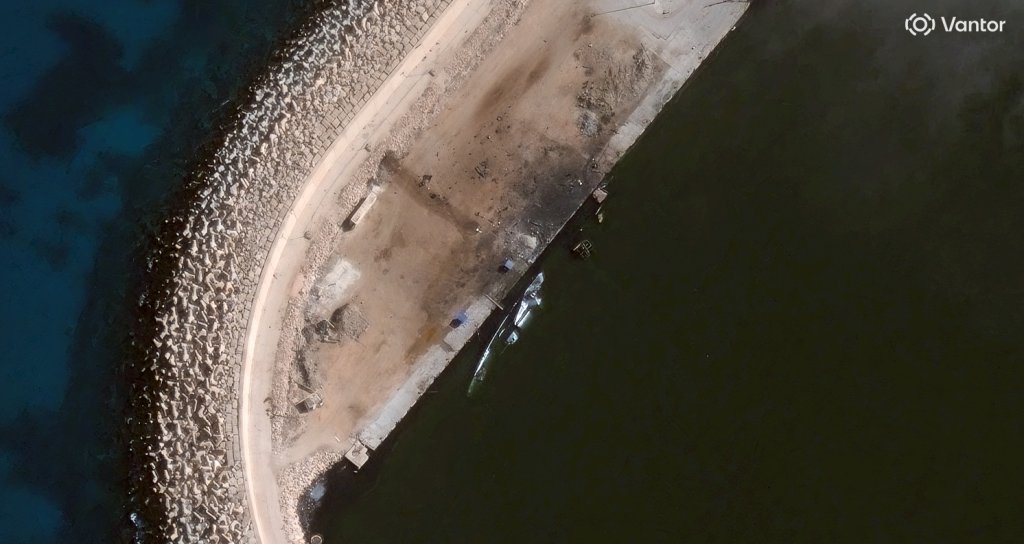
Satellite imagery cited by the report showed the Merkury rolled onto its side at a Benghazi port. A separate image showed the Angara moored after the attack, with fire trucks and vehicles visible on the pier near the damaged ship. The source did not provide an independent technical assessment of how the vessels were damaged or the full operational consequences.
Even so, the episode illustrates a difficult security problem for port operators and naval forces. A small uncrewed craft can pose a threat close to shore, while a launch platform positioned away from the target can complicate attribution and interception. The reported Russian search for the alleged mothership is therefore as significant as the immediate damage: it focuses on the enabling platform behind the claimed attack.
Libya’s increasing strategic role
Libya has become more important to Russia’s Mediterranean posture since Russian deployments to bases in Syria were significantly reduced after the 2024 overthrow of Bashar al-Assad, the report said. Russia retains a smaller presence at the Hmeimim and Tartus facilities under an agreement with Syria’s new government to operate joint training centers.
A larger share of logistical support for Russian activities in the Mediterranean and Africa has consequently shifted toward Libya, according to the report. Russia has long supported forces aligned with Khalifa Haftar against Libya’s United Nations-recognized government. That support has included military capabilities such as MiG-29 Fulcrum fighter aircraft, the source said.
This context gives the Benghazi incidents importance beyond a single port attack. Disruption at Libyan facilities can affect the routes and infrastructure used to sustain a broader regional presence. It also raises the pressure on Russian and allied forces to protect port approaches, anchored vessels and logistics traffic.
An evolving maritime threat
Uncrewed surface vessels have become an increasingly visible feature of the war connected to Ukraine, but the reported Benghazi operation would demonstrate how the concept can be extended beyond more familiar areas of the Black Sea. A mothership approach, if confirmed, would allow a force to move smaller craft closer to a target area without requiring those craft to travel their entire route independently.
The report does not establish all details of the alleged operation, including the identity or location of the mothership. It does, however, describe a concrete Russian response: the use of maritime patrol assets in a hunt for the vessel, heightened security at Benghazi, and concern over the safety of supply movements.
For Russia, the task is likely to be both immediate and persistent. Protecting a facility after an attack involves guarding ships and docks, monitoring nearby waters and identifying potential launch platforms before they can deploy uncrewed craft. The Benghazi reports show how maritime security can be strained when threats may be launched from mobile, difficult-to-identify vessels outside the immediate port perimeter.
Further independent confirmation will be needed to clarify the precise circumstances of the attacks and the effectiveness of the search effort. But the reported sequence already underscores a strategic shift: regional logistics hubs can face pressure from uncrewed maritime systems, and the response may extend far beyond the site of the initial strike.
This article is based on reporting by twz.com. Read the original article.
Originally published on twz.com