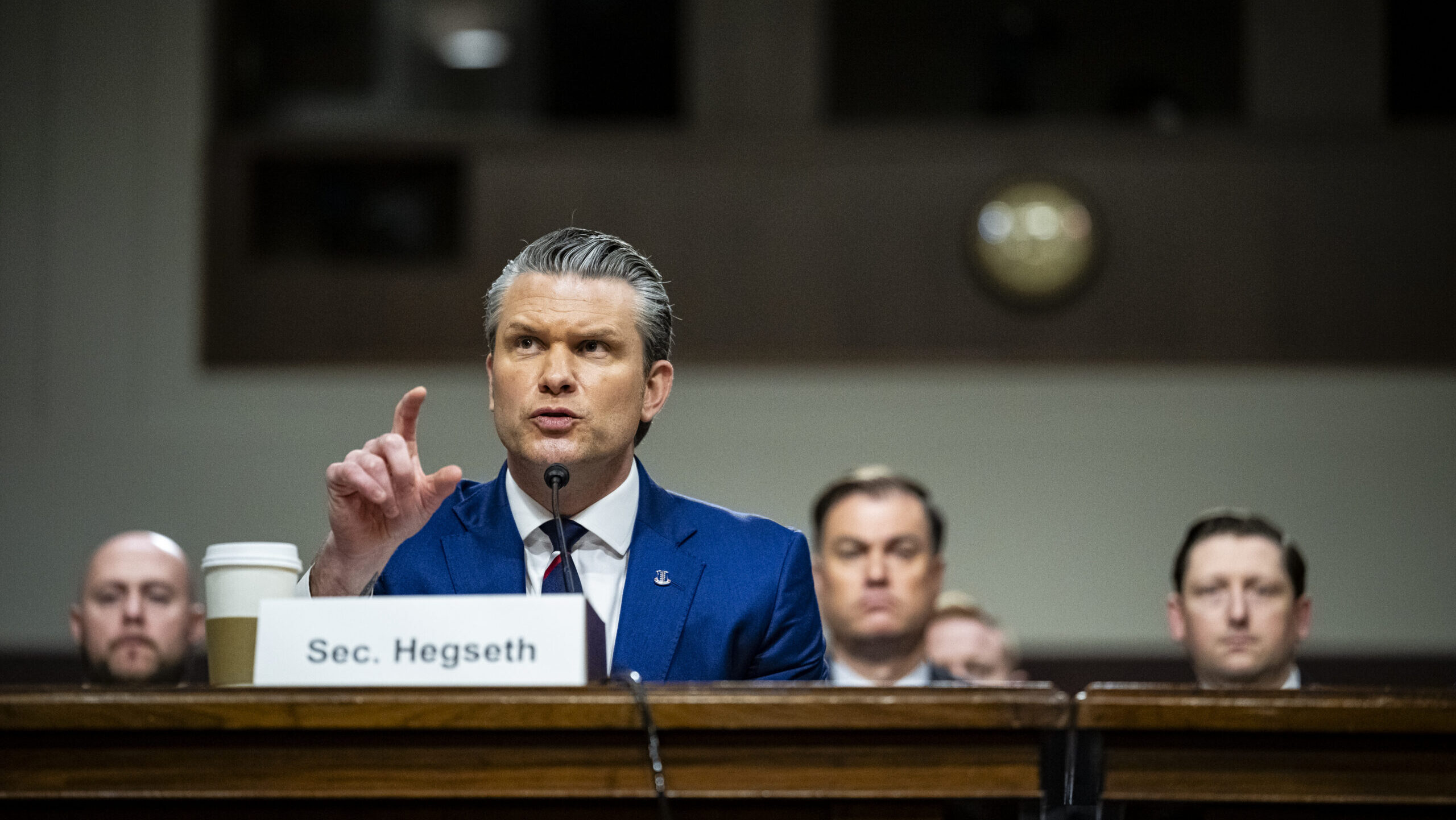
US force posture in Europe takes a visible turn
Defense Secretary Pete Hegseth has ordered the withdrawal of roughly 5,000 US troops from Germany, according to a Pentagon statement reported by Breaking Defense on May 1, 2026. Chief Pentagon Spokesman Sean Parnell said the decision followed a review of the Department of Defense’s force posture in Europe and reflected theater requirements and conditions on the ground. The withdrawal is expected to be completed over the next six to twelve months.
That statement establishes the core fact pattern, but it leaves major operational questions unanswered. The Pentagon did not provide details about plans for the roughly 30,000 troops expected to remain in Germany, nor did it explain whether the move will affect US forces stationed in other NATO countries. Even so, the decision is important because Germany has long served as one of the central anchors of America’s military presence on the continent.
Why Germany matters strategically
US troop levels in Germany have long been about more than bilateral defense ties. Germany functions as a hub for logistics, command support, rotational activity, and broader alliance operations. Changes there tend to be read not just as local basing decisions but as signals about the direction of US policy toward Europe and NATO. A reduction of about 5,000 personnel, if carried out as described, therefore carries political weight beyond the raw number.
Force-posture decisions can of course reflect a mix of factors, including readiness demands, regional reprioritization, infrastructure use, and diplomatic signaling. The Pentagon’s brief explanation points to a formal review process, but without public detail it is difficult to assess which drivers mattered most. That uncertainty will likely intensify scrutiny from allies who want to know whether this is a discrete adjustment or part of a broader redraw of America’s European military footprint.

The alliance backdrop is unusually tense
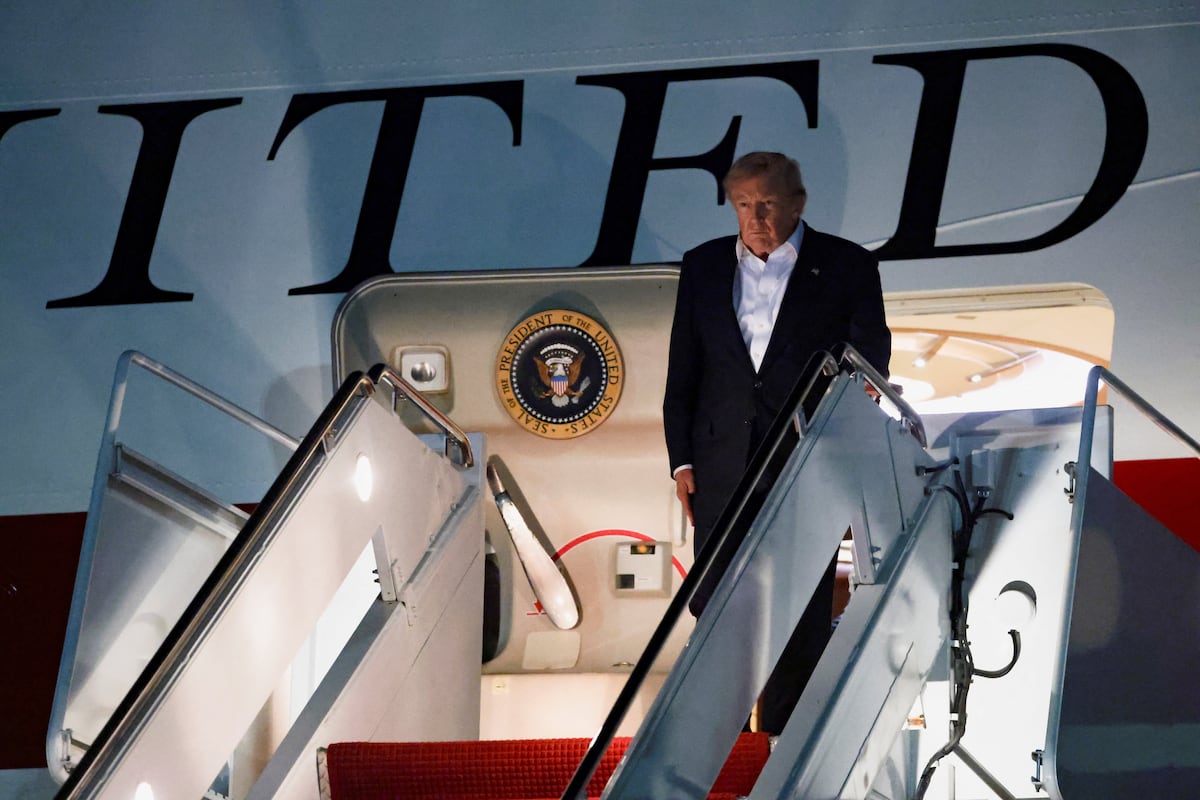
The announcement lands during a period of visible strain between Washington and several NATO partners. Breaking Defense situates the move amid months of turbulence that have included tariff disputes, sharp exchanges with allies, and growing tension between Berlin and Washington. The report also notes recent friction involving comments from German Chancellor Friedrich Merz and President Donald Trump, with troop withdrawal entering the political conversation before the official announcement.
That context makes the decision harder to treat as a routine administrative shift. Even if the Pentagon views the move primarily through a force-management lens, allies are likely to interpret it through the broader diplomatic climate as well. Military basing decisions do not happen in a vacuum, especially when public rhetoric has already raised questions about alliance cohesion and burden-sharing.
Operational uncertainty remains
One of the most consequential unknowns is what happens next inside the European theater. The Pentagon has not publicly clarified whether units will return to the United States, move elsewhere in Europe, or be offset by rotational alternatives. It has also not said whether capabilities tied to the departing personnel will be reduced, redistributed, or replaced in another form.
That matters because troop numbers alone do not fully describe military effect. The impact of a withdrawal depends on which units leave, what missions they support, and whether equivalent capacity remains available elsewhere. A relatively modest numerical reduction can still produce meaningful change if it affects command support, logistics, or high-readiness functions.

Signals to allies and adversaries
Every visible change in US European posture carries a messaging component. Allies look for reassurance about continuity, consultation, and strategic intent. Adversaries look for signs of hesitation, distraction, or fragmentation. The Pentagon’s short statement may have been designed to confirm the decision without elaborating on its political implications, but those implications are difficult to avoid.
The six-to-twelve-month execution window also means this will remain an active issue rather than a one-day headline. European governments, military planners, and defense markets will spend that time trying to determine whether the move is a contained adjustment or a precursor to additional restructuring.
What to watch next
The next indicators will be practical ones: which units are affected, whether any replacement posture is announced, and how Berlin and NATO officials respond publicly. Observers will also watch whether the administration frames the withdrawal as an isolated decision or as part of a larger review of American commitments in Europe.
For now, the significance lies in the combination of fact and ambiguity. The fact is that roughly 5,000 US troops are set to leave Germany over the coming months. The ambiguity is what that means for the future of transatlantic defense coordination. In a more stable political environment, the move might be treated as a manageable posture adjustment. In the current one, it is likely to be read as a strategic signal whose full meaning is still emerging.
This article is based on reporting by Breaking Defense. Read the original article.

Originally published on breakingdefense.com