Former defense chief says Ukraine needs a strategic reset
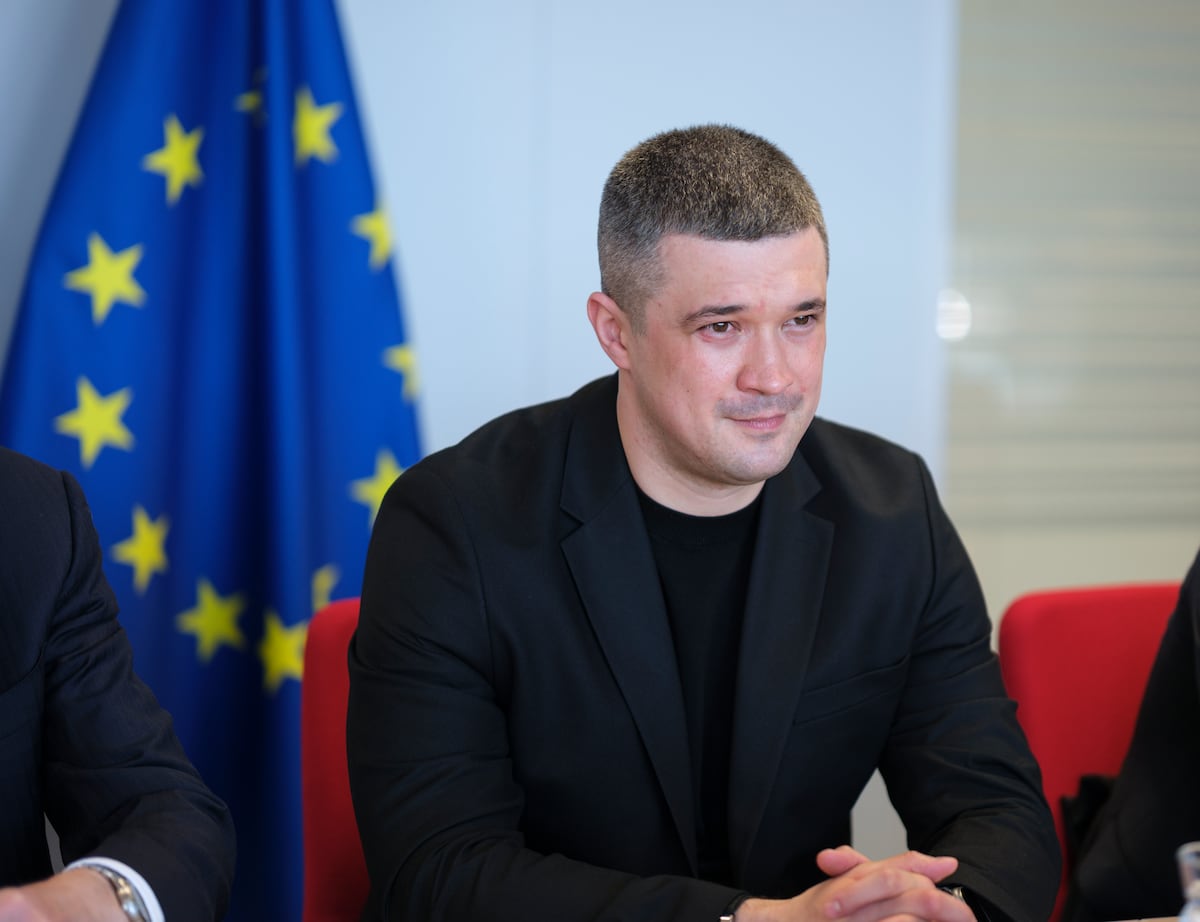
A rare public warning from a recently dismissed senior official has opened a sharper debate over how Ukraine is fighting its war with Russia. In remarks reported on August 25, 2026, former Defense Minister Mykhailo Fedorov said Ukraine appears to be slowly losing the conflict and has only a matter of months to make key decisions if it wants to change the trajectory.
The significance of the statement lies not only in its pessimism, but in who delivered it. Fedorov had held one of the country’s most important defense posts before being dismissed after six months in office. According to the report, his removal triggered weeks of protests, and his criticism now departs noticeably from Kyiv’s official public messaging.
Fedorov’s central argument is that Ukraine still has a path to victory, but not without a coherent plan. He said the country lacks an overall vision for how to win the war and remains constrained by weak innovation, entrenched patronage networks, corruption, and institutions that do not have enough political independence. Taken together, those problems amount to a governance and execution critique rather than a simple complaint about battlefield conditions.
That distinction matters. Wars are often discussed in terms of territory, casualties, and weapons deliveries, but Fedorov’s comments point to a deeper problem of state capacity: how quickly a country can adapt, prioritize, procure, and integrate new technologies into a functioning strategy. His warning suggests that, in his view, Ukraine’s challenge is not only external military pressure from Russia but also internal friction that slows response.
Missile defense shortfalls and a grinding front
The battlefield picture described in the report helps explain why Fedorov is pressing the issue now. Russia is said to be striking Ukrainian factories and warehouses with dozens of ballistic missiles each month, while Ukraine is increasingly unable to intercept them as interceptor stocks run low. Even where Russia is not making rapid advances, it is still moving forward gradually in the Donbas.
On the Ukrainian side, the report describes frontline infantry positions staffed largely by unmotivated conscripts. That image reinforces Fedorov’s suggestion that the war cannot be stabilized through endurance alone. If missile defense is thinning out, industrial targets remain vulnerable, and frontline manpower quality is under strain, then incremental deterioration can become strategically decisive even without dramatic territorial collapse.
At the same time, Ukraine has intensified its own long-range strikes inside Russia. The report says Ukrainian drone and missile attacks have hit important military factories, seriously damaged oil refineries, and contributed to nationwide fuel shortages. That indicates Ukraine retains the ability to impose costs and conduct meaningful deep-strike operations, even as it faces growing pressure at home.
The result is a mixed picture: tactical and operational ingenuity remains visible, but Fedorov argues it is not being assembled into a convincing larger strategy. His concern is less that Ukraine lacks capable technologies or ideas than that it has not organized them effectively enough to shape the course of the war.
An innovation agenda built around autonomy and sensors
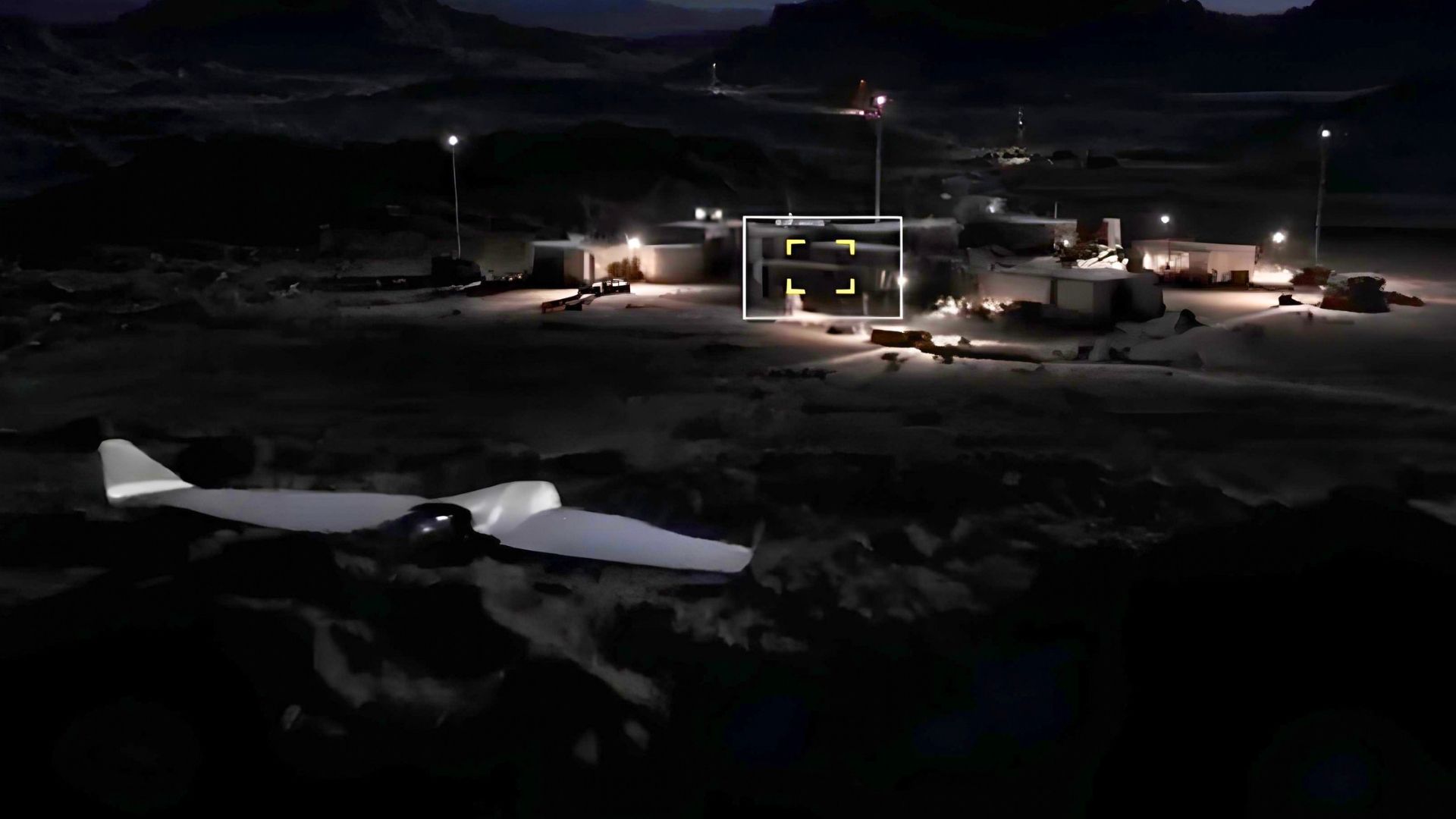
Fedorov’s prescription centers heavily on technology. He emphasized the importance of autonomous drones guided by artificial intelligence, low-cost interceptor missiles for air defense, and a domestic ballistic missile program. According to the report, Ukrainian manufacturers are already working on those systems, but he said the country needs a more joined-up strategy to maximize their effect once deployed.
This is one of the most consequential elements of his comments. It reflects a view of modern warfare in which scale and adaptation can matter as much as legacy platform strength. Cheap interceptors, autonomous systems, and sensor-linked battlefield awareness all point toward a more distributed model of combat power, one designed to offset shortages in manpower or expensive munitions.
Fedorov also outlined a vision of the front line covered by electronic sensors capable of detecting enemy movement, with drones in the air and on the ground reducing the need for direct human exposure. In practical terms, that implies a denser integration of surveillance, machine-guided targeting, and unmanned systems. It is a vision of warfighting shaped by persistent sensing and lower-cost automation rather than by attritional infantry-heavy defense alone.
That does not mean technology is presented as a magic solution. In the report’s framing, the problem is precisely that promising technologies exist but are not being translated into sufficient strategic effect. Fedorov’s critique therefore lands at the intersection of defense innovation and state management: developing systems is not enough if institutions cannot field them coherently.
A political challenge as much as a military one
Fedorov’s remarks also carry obvious political weight. The presidential office responded by saying he had been positive about the conduct of the war while he was still at the ministry and that the main thing that had changed was his personal status. That response seeks to cast his criticism as post-dismissal positioning rather than an objective reassessment.
Even so, the broader context makes the comments hard to dismiss outright. The report notes that Fedorov recently became the first major political figure to call for wartime elections and described the country as facing a systemic governance crisis. Whether or not his preferred remedies gain traction, his intervention suggests elite frustration is becoming more public and more directly tied to questions of military effectiveness.
A recent poll cited in the report found that 82% of Ukrainians still believed the country would win, though most expected fighting to continue into 2027 or later. That gap between public confidence and elite alarm is itself revealing. It suggests the pressure on Ukrainian decision-makers may now be less about maintaining morale than about proving they can convert resilience into a workable strategy for a prolonged war.
- Fedorov says Ukraine has only months to make key decisions that could reverse current drift.
- He identifies strategy, innovation, corruption, and institutional weakness as core obstacles.
- His proposed focus areas include AI-guided autonomous drones, low-cost interceptors, and a domestic ballistic missile program.
The immediate value of Fedorov’s warning is that it reframes the debate. Instead of asking only whether Ukraine can keep fighting, it asks whether the state can adapt fast enough to fight differently. In a war increasingly shaped by industrial resilience, missile defense capacity, and the speed of technological integration, that may be the more important question.
This article is based on reporting by Defense News. Read the original article.
Originally published on defensenews.com