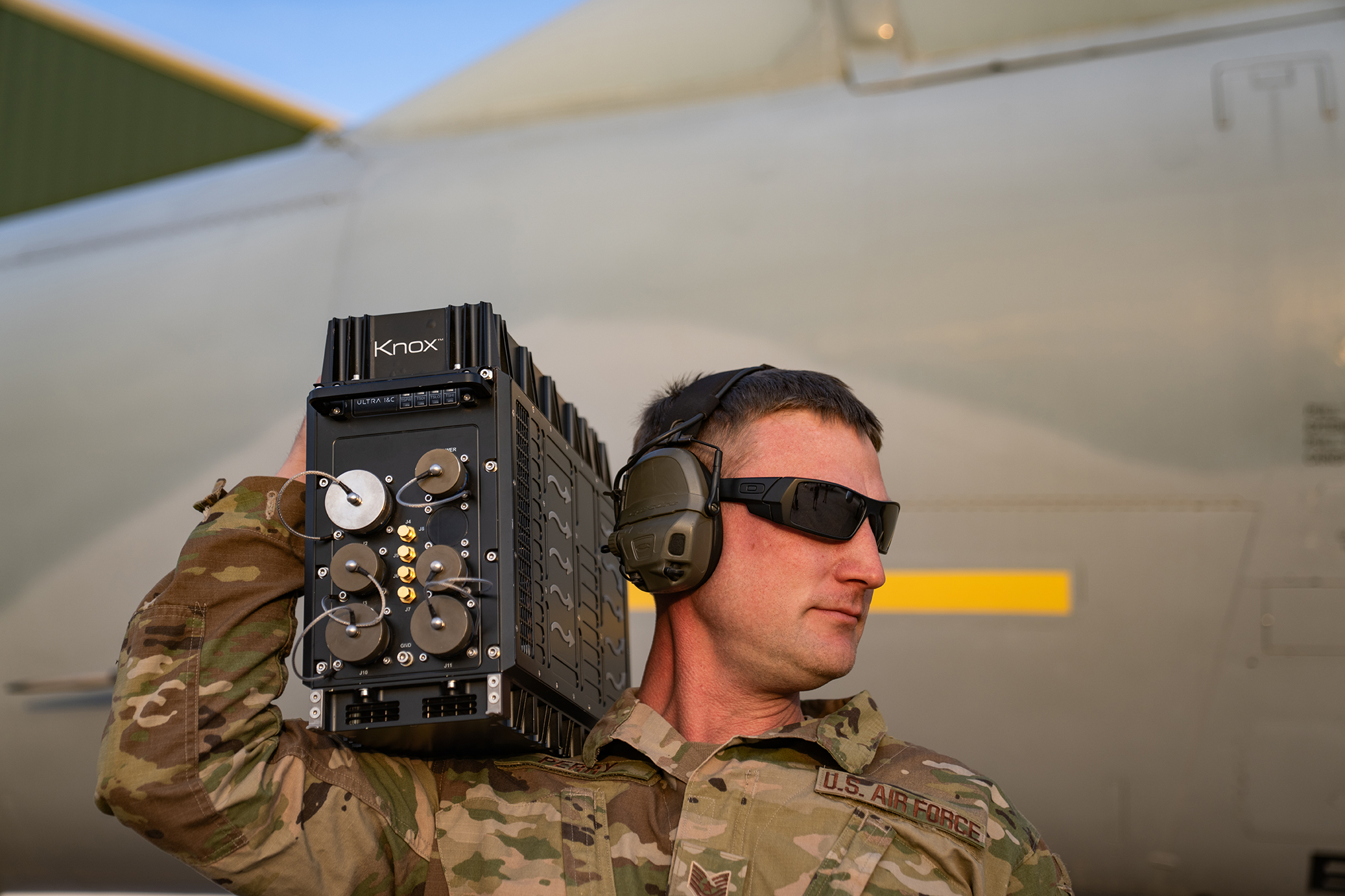
Edge computing ambitions are running into old hardware realities
A sponsored report in Breaking Defense makes a point that extends beyond the vendor it features: edge computing in defense systems fails when the underlying mission hardware cannot evolve. The article focuses on Ultra I&C’s Knox processor family, but the broader issue it describes is structural and increasingly familiar across military platforms.
Operators want more local processing power to handle communications, autonomy, AI-enabled mission applications, and faster software-driven upgrades at the tactical edge. But many aircraft, ground vehicles, and maritime systems still rely on hardware architectures built for slower upgrade cycles. In that environment, even a faster chip may not matter much if the surrounding box, interfaces, and integration assumptions are effectively frozen in place.
The bottleneck is architectural, not just computational
That is the core insight in the report. Legacy systems can become trapped by their original mission-system design. Once cables are run, interfaces are fixed, and front-panel choices are locked in, inserting new capabilities becomes expensive and slow. This is a serious problem in a military environment where software, sensors, autonomy stacks, and data requirements are evolving much faster than traditional platform modernization timelines.
The source text argues that merely having a faster processor is not enough if the architecture around it cannot absorb change. That is a useful distinction. Defense programs often talk about compute growth as though performance alone solves future needs. In practice, upgradeability and interface flexibility are just as important.
Why tech insertion matters now
The article quotes Ultra I&C CTO Randy Fields describing vendor lock in legacy airframes as a national problem because it slows the delivery of new capabilities to the battlefield. Whether or not one accepts the vendor’s framing in full, the concern is credible. When platforms are tied tightly to original hardware specifications and proprietary interfaces, even modest upgrades can trigger redesign work, testing burdens, and schedule delays.
That friction has strategic consequences. New mission software, autonomy tools, or communications pathways may exist, but they cannot be fielded quickly if the host hardware resists adaptation. In a period where defense organizations are trying to shorten the time from technical possibility to deployed capability, hardware rigidity becomes a direct operational liability.
The MOSA and SOSA angle
Ultra I&C’s proposed answer is a flexible backplane with commercial off-the-shelf Modular Open Systems Approach and Sensor Open Systems Architecture-aligned cards. The report says this design would allow platforms to upgrade processing, communications, and mission applications in place, without replacing the whole chassis.
That emphasis is important because open architecture has become a recurring answer to modernization bottlenecks across defense programs. The attraction is not only interoperability. It is the possibility of faster tech insertion without rebuilding the host platform each time a new mission need appears.
What the source can support directly
The supplied text supports several direct claims. Demand for edge computing power is rising across aviation, ground, and maritime platforms. Operators want new communications paths, autonomy tools, and AI-enabled mission applications. Many existing hardware boxes were designed for an era of slow upgrades. Ultra I&C says its Knox processor family is intended to modernize the inside of mission systems while leaving surrounding platforms intact.
Because the article is sponsored, its product claims should be read with appropriate caution. The source does not independently verify performance outcomes in deployed programs, nor does it establish that one architecture alone resolves the defense sector’s broader modernization problems. But the underlying diagnosis of hardware inflexibility is more significant than the product pitch itself.
Why the story matters beyond one vendor
Edge AI, autonomous behavior, and sensor fusion all depend on compute, but compute is only useful when it can be integrated and refreshed on realistic timelines. That is where many defense programs remain vulnerable. They may have platforms with years or decades of life left, yet mission impact is constrained because the electronics architecture was not designed to evolve at current speeds.
This is likely to become a sharper issue as software-defined capabilities expand. If militaries want to treat applications and autonomy modules as updateable mission layers, they will need hardware environments that make that practical rather than exceptional.
The takeaway
The report’s strongest point is simple: edge computing is not just a processor problem. It is a systems architecture problem. Defense programs that overlook that distinction may spend heavily on compute while still failing to accelerate capability delivery.
That makes this a meaningful military technology story. The future of tactical AI and onboard autonomy will depend not only on better algorithms, but on whether legacy mission hardware can finally be made flexible enough to keep up.
This article is based on reporting by Breaking Defense. Read the original article.
Originally published on breakingdefense.com