Canada names Saab as preferred supplier for GlobalEye
Canada has entered negotiations with Saab over the planned purchase of GlobalEye airborne early warning and control aircraft, a move that could reshape part of Ottawa’s surveillance and command-and-control architecture if it results in a final deal.
The announcement came from Prime Minister Mark Carney at CANSEC, Canada’s flagship defense trade show. Saab later clarified that it had been selected as the preferred supplier for Canada’s future Airborne Early Warning and Control capability program, while emphasizing that no contract or order has yet been issued.
What Canada is trying to buy
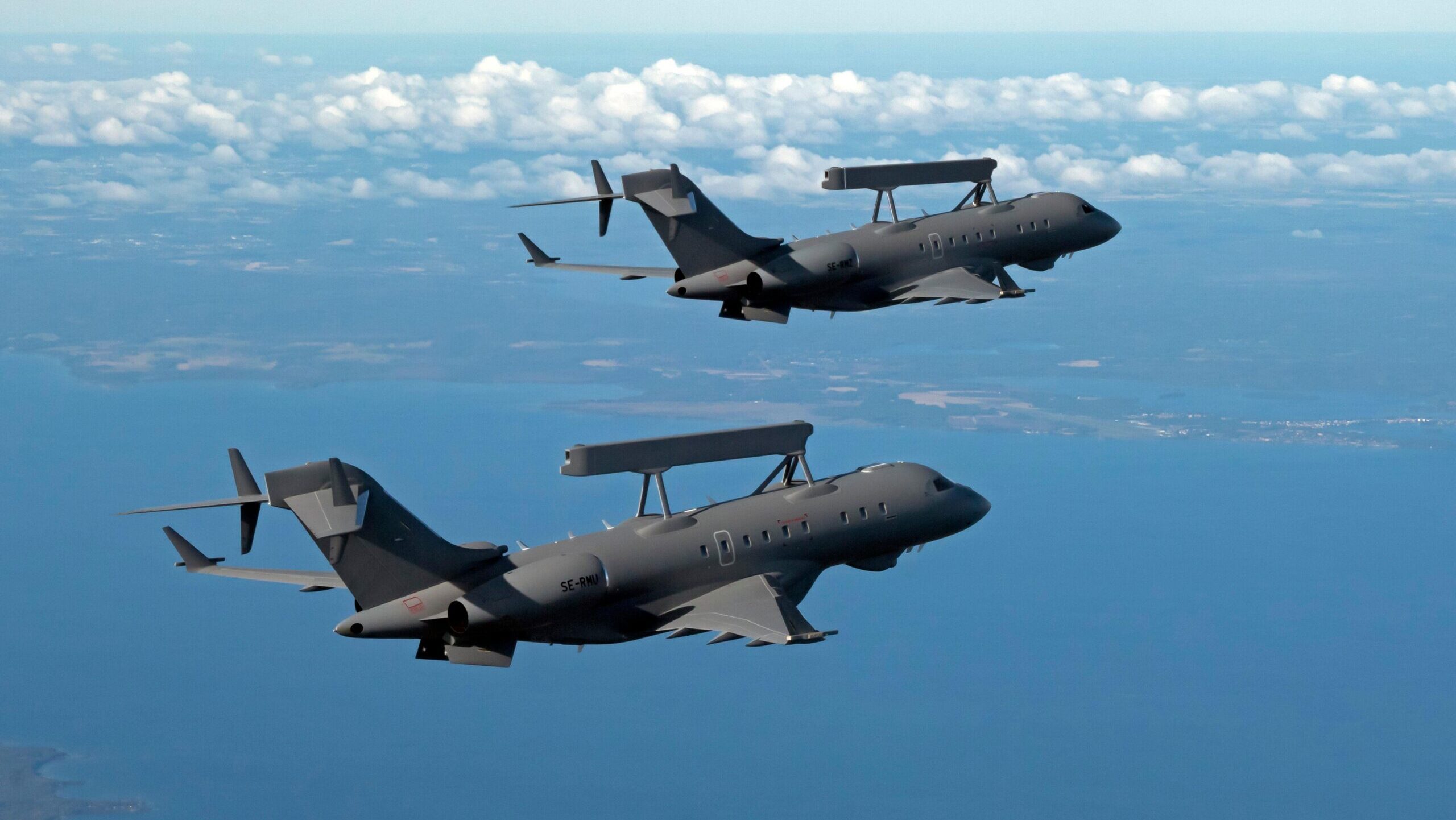
The AEW&C program is intended to give the Royal Canadian Air Force long-range surveillance capabilities able to detect, track, and help counter threats in remote areas, including the Arctic. That mission profile makes range, persistence, and multi-domain sensing particularly important.
Saab’s proposal pairs a Canadian-made Bombardier Global 6500 aircraft with the Swedish company’s extended-range radar, sensor suite, and command-and-control system. The source says the system is designed to detect targets at long range, including low-signature threats, drones, and ballistic and hypersonic missiles in high-jamming environments.
If Ottawa proceeds, the country would become the third international buyer of GlobalEye after the United Arab Emirates and France. A CBC report cited in the source says Canada intends to acquire around half a dozen aircraft.
Why the supplier choice matters
Choosing Saab as preferred supplier is notable because the company was competing against two US offerings: L3Harris’ Aeris X and Boeing’s E-7 Wedgetail. The decision therefore signals that Canada is at least open to a non-American path for a strategically important airborne surveillance capability.
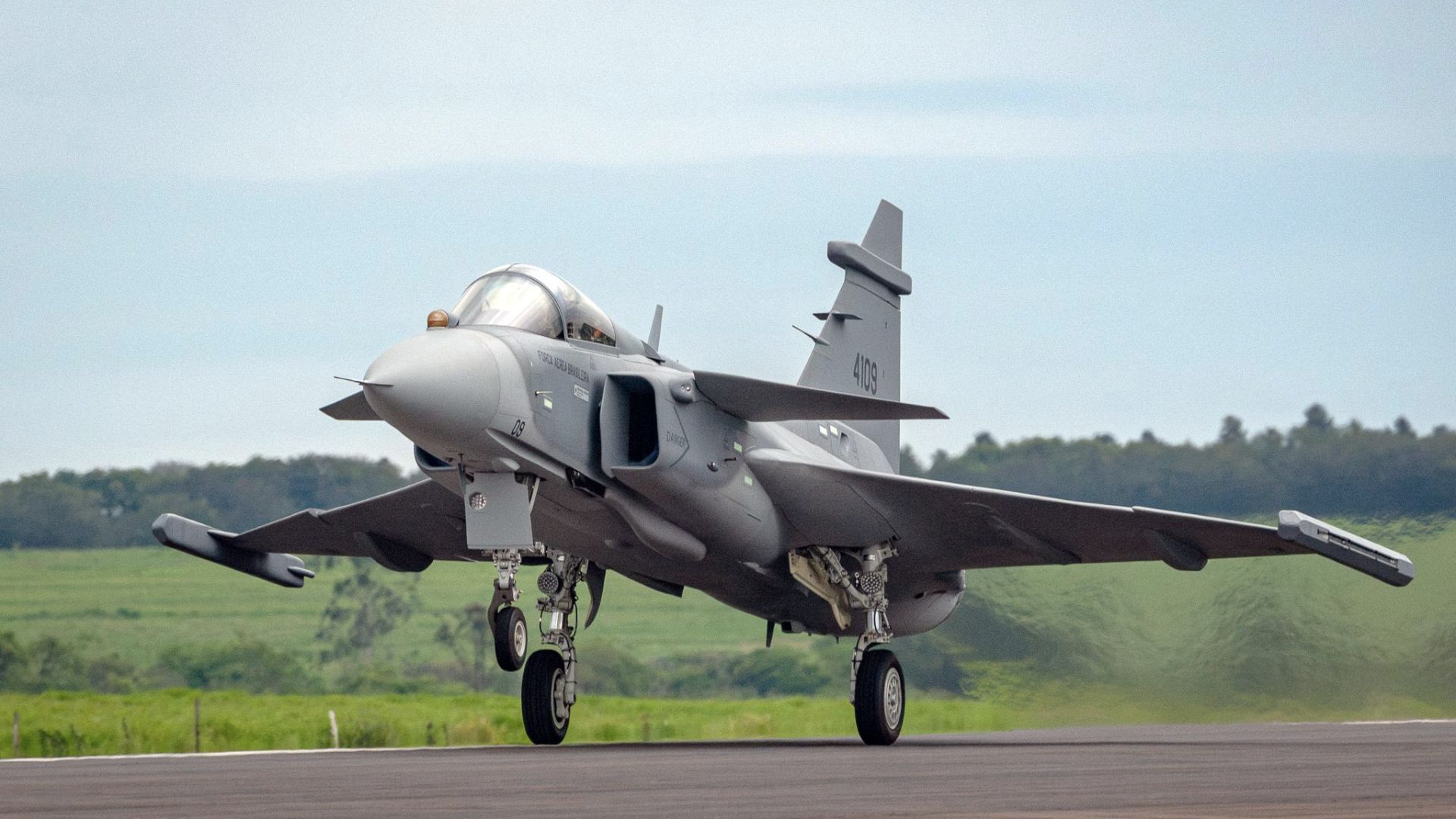
The geopolitical context matters as well. The source notes that Saab and Sweden are also hoping to revive interest in the Gripen fighter in Canada amid tensions between Carney and US President Donald Trump. That does not mean the GlobalEye talks are directly tied to a fighter decision, but it shows that Stockholm sees the current moment as an opportunity to deepen defense-industrial links with Ottawa.
Industrial and political incentives
Saab has tried to strengthen its pitch by emphasizing domestic industrial benefits. The company said it has offered to build, maintain, and upgrade Canadian GlobalEyes with a team of Canadian partners, with the aim of transferring knowledge and technology that would grow Canada’s defense industry.
That approach aligns with a common procurement reality: major defense buys are rarely judged on platform performance alone. Governments want local economic participation, long-term sustainment capacity, and leverage over future upgrades. By basing the proposal on Bombardier’s Global 6500, Saab is also attaching the program to an existing Canadian aerospace asset.
What happens next
Preferred supplier status is meaningful, but it is not a contract. Pricing, industrial commitments, delivery schedules, long-term support terms, and final political approval still have to be worked through. Those details will determine whether this becomes a routine procurement outcome or a more consequential rebalancing of Canada’s defense partnerships.
Still, the signal is clear. Canada wants a modern AEW&C capability for long-range surveillance, especially in demanding areas such as the Arctic, and Saab is now in pole position to provide it. If a deal is reached, Ottawa would gain an aircraft built around a domestic airframe and foreign mission systems, while Sweden would secure another high-profile export for one of its most important defense products.
For now, the decision is best read as a serious step rather than a finished acquisition. But it already marks a strategic preference: Canada has chosen Saab to carry negotiations forward on a capability that sits at the intersection of sovereignty, early warning, and industrial policy.
This article is based on reporting by Breaking Defense. Read the original article.
Originally published on breakingdefense.com