Sweden outlines a two-track Gripen plan for Ukraine
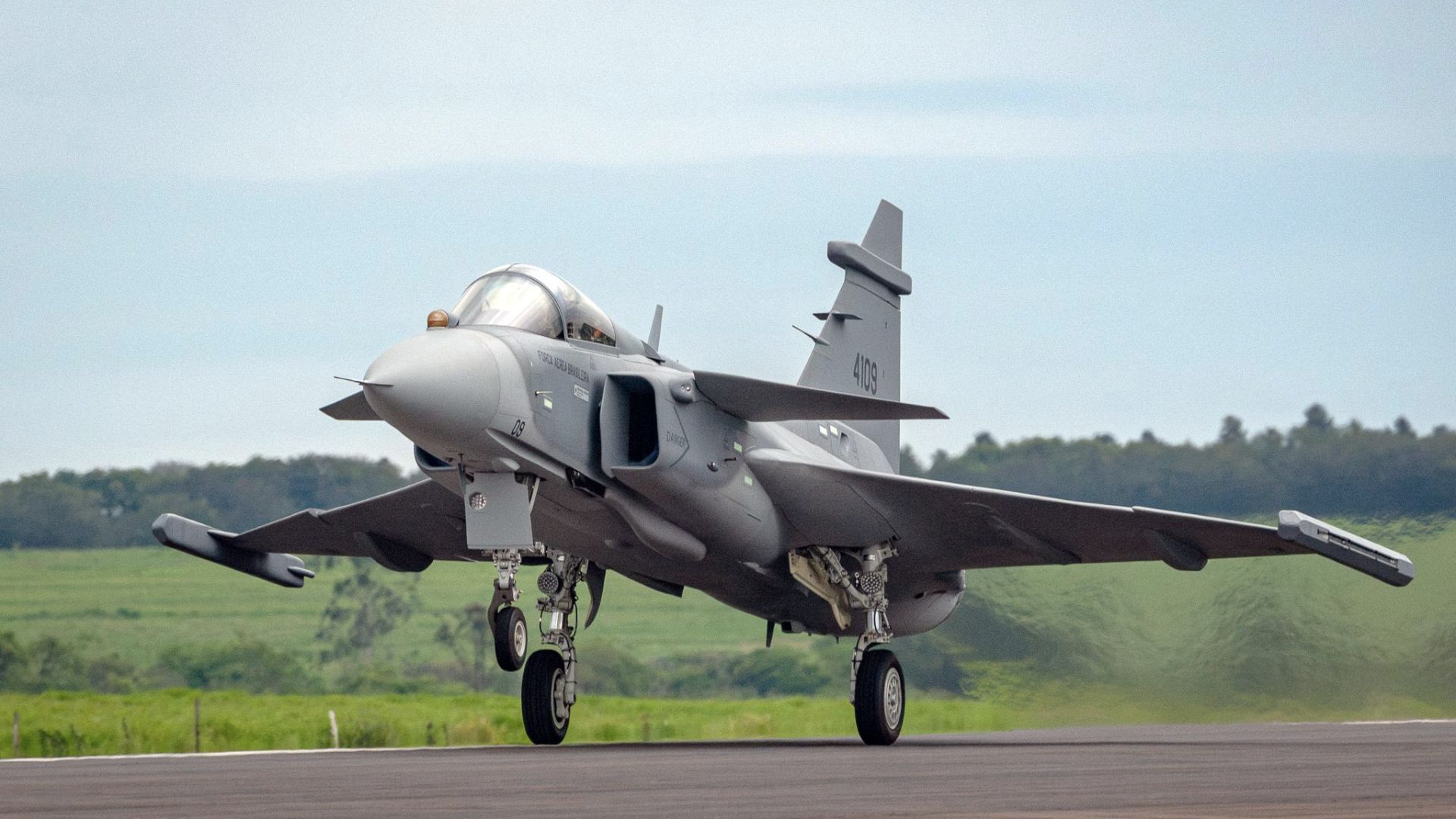
Sweden says Ukraine has agreed to order up to 20 Saab Gripen E/F fighter jets and will also receive a donation of 16 older Gripen C/D aircraft from Stockholm. The announcement marks one of the most concrete long-term fighter force plans yet laid out for Ukraine, combining an eventual procurement of newer aircraft with a nearer-term transfer of older models.
According to the supplied report, Kyiv plans to allocate 2.5 billion euros from the European Union’s Ukraine Support Loan to fund the Gripen E/F package. Sweden added that, when Ukraine proceeds with the intended purchase, it also aims to donate the 16 Gripen C/D fighters as bilateral assistance. The package would also include advanced ammunition that may consist of IRIS-T, AMRAAM, and Meteor air-to-air missiles.
Why the announcement matters
The importance of the move lies in both timing and structure. Ukraine has spent the war seeking not only replacement aircraft but a sustainable path toward a modernized air force. Donations of legacy systems can help fill immediate operational gaps, but they do not by themselves define a long-term force architecture. Sweden’s plan does both. It pairs aircraft that can be fielded sooner with a procurement track oriented toward future capability.
The Gripen has long occupied a special place in debates over what Western combat aircraft best fit Ukraine’s needs. Defense analysts have argued that the platform is especially suitable for a country facing constant missile threats and needing flexible operations from dispersed locations. The supplied report notes that a 2022 RUSI assessment described the aircraft as the most suitable Western candidate for those requirements.
That reputation stems in part from the Swedish Air Force’s operating model, which emphasizes dispersed basing and low-level air superiority tactics. Those concepts map closely onto Ukraine’s need to keep aircraft survivable under threat while maintaining day-to-day combat relevance. In practical terms, the Gripen discussion has often been less about prestige than about operational fit.
A delayed decision comes into focus
The plan to donate Gripen C/D aircraft has been under discussion for several years. It was initially delayed until Sweden joined NATO, and then delayed again after allies urged Stockholm to wait while Ukraine first integrated donated F-16s. That sequence reflects a recurring challenge in wartime aircraft transfers: operational logic depends not only on platform quality, but on training bandwidth, logistics, maintenance capacity, and the recipient’s ability to absorb new systems without overloading its force.
The latest announcement suggests those constraints have shifted enough for Sweden to move ahead. Defense Minister Pal Jonson said deliveries are due to begin early next year, giving the package a more defined schedule than many previous fighter transfer discussions.
The inclusion of missiles also matters. Aircraft alone do not determine combat value. Air-to-air munitions shape engagement range, tactical flexibility, and the ability to integrate into broader air defense and offensive counterair operations. By linking the aircraft package to advanced ammunition, Sweden is framing the transfer as a capability package rather than a symbolic hardware donation.
Long-term significance for Ukraine and Europe
The announcement also reflects a wider European defense trend: support for Ukraine is increasingly being structured around force-building, not just emergency resupply. Funding through the EU loan mechanism and the planned mix of purchased and donated aircraft show a shift toward programs intended to outlast immediate battlefield cycles.
For Ukraine, the longer-term value may be institutional. A future fleet that includes Gripen E/F aircraft would require training pipelines, sustainment systems, weapons integration, and doctrine development that could anchor a postwar or long-war air force modernization effort. Even the older C/D donations could serve not just combat needs, but as an entry point into that broader ecosystem.
For Sweden and Saab, the move carries industrial and strategic implications as well. It would deepen the Gripen’s role in European security and attach the aircraft more directly to one of the continent’s defining defense missions. In that sense, the decision is not just about arming Ukraine. It is also about establishing the Gripen as part of Europe’s future combat aviation map.
Many implementation questions remain, including training timelines, infrastructure needs, and how the new aircraft would coexist with Ukraine’s expanding mix of Western systems. But the political and strategic message is clearer than before. Sweden is no longer merely entertaining the idea of Gripen support. It has described a pathway that combines immediate assistance with a long-range fighter acquisition plan.
That makes this more than another donation headline. It is a concrete step toward building a modern Ukrainian air force on a European footing.
This article is based on reporting by Breaking Defense. Read the original article.
Originally published on breakingdefense.com