A Major Military Aviation Incident
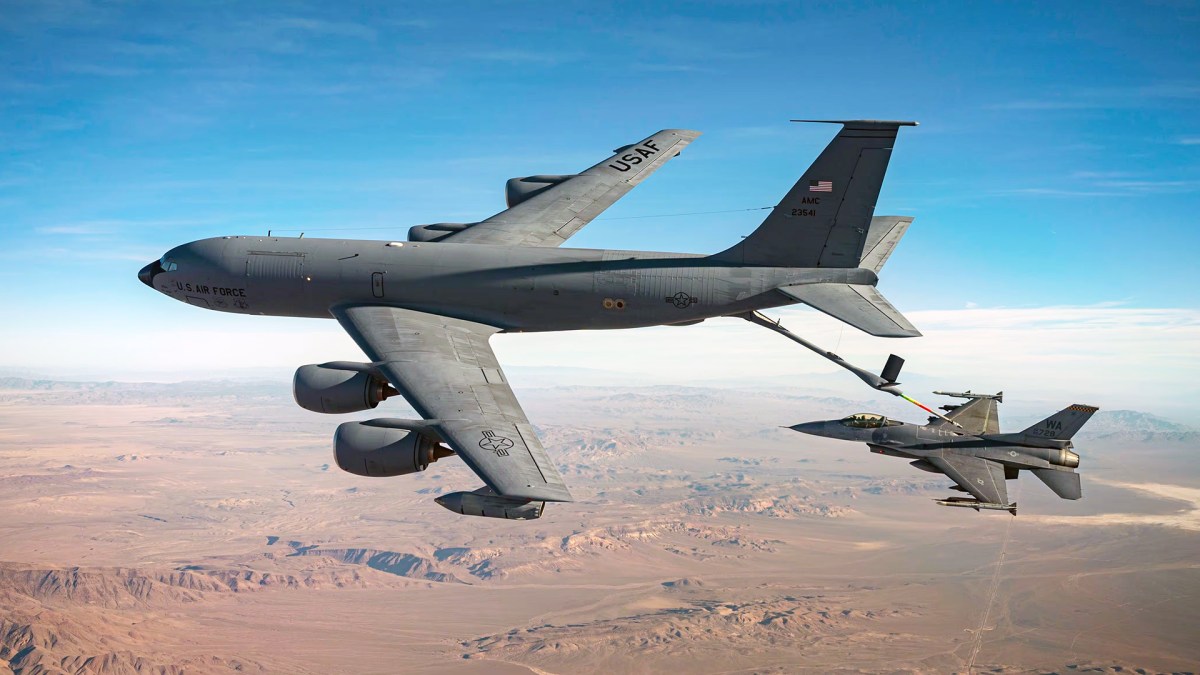
A U.S. Air Force KC-135 Stratotanker has crashed in Iraq while conducting aerial refueling operations in support of Operation Epic Fury, according to reporting from The War Zone. The incident represents one of the more significant military aviation losses in the region in recent years, involving one of the Air Force's most strategically important aircraft types and raising questions about operational tempo, maintenance sustainability, and the conditions of ongoing combat support missions in the theater.
The KC-135 Stratotanker is the backbone of U.S. aerial refueling capability, enabling fighters, bombers, surveillance aircraft, and other platforms to extend their range and endurance across the vast distances of modern operational theaters. Losing a tanker is not merely a loss of one aircraft — it degrades the refueling capacity that allows a significantly larger number of combat and support aircraft to operate effectively over target areas. This multiplicative effect makes tanker losses strategically significant beyond their immediate cost.
Details of the crash remain limited as military officials conduct an investigation and manage communications around an ongoing operation. Initial reporting indicates the aircraft went down during a refueling sortie, though whether the cause was mechanical failure, hostile action, weather, or crew factors had not been confirmed at the time of reporting. Crew status had not been publicly confirmed, consistent with the military's standard practice of notifying next of kin before public disclosure.
Operation Epic Fury
Operation Epic Fury appears to be an active kinetic military operation in Iraq or the broader Middle East region. The name had not previously been widely publicized in open-source reporting, suggesting either a recently initiated operation or one that has been conducted with deliberate operational security restrictions on public communications. The involvement of aerial refueling aircraft indicates the operation involves strike or sustained air patrol missions requiring extended range beyond what internal fuel alone can provide.
The broader regional context involves continued U.S. military presence across Iraq and Syria, where American forces maintain counterterrorism missions and advise Iraqi security forces, as well as ongoing deterrence posture against Iran-backed militant groups that have targeted U.S. forces in the region intermittently. The nature of the specific operation — its targets, objectives, and the forces involved — remains operationally sensitive information that officials are not publicly disclosing during active execution.
Operations involving tanker support in Iraq typically indicate missions with extended loiter requirements or distances that exceed what fighter aircraft can cover without refueling. This operational pattern is consistent with strike missions against targets requiring sustained overwatch, search and rescue operations, or support for special operations forces conducting missions at significant distances from main operating bases in the region.
The KC-135 Stratotanker
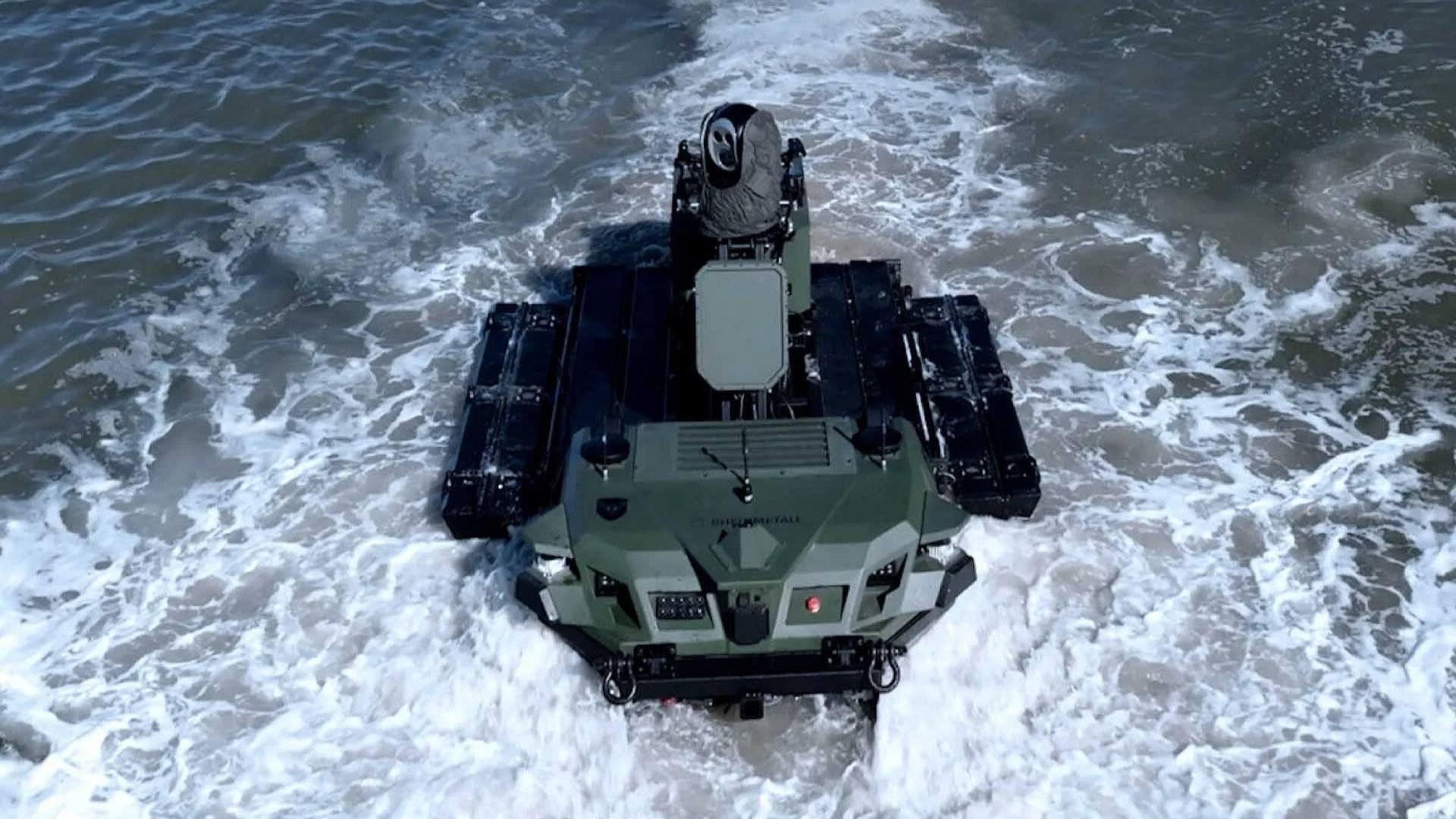
The KC-135 Stratotanker entered service with the U.S. Air Force in 1957 and remains the primary aerial refueling platform in the Air Force inventory more than six decades later. The aircraft has been continuously upgraded with modern avionics, engines, and systems, but the basic airframe is older than most of the aircrew members who fly it — a situation that reflects both the extraordinary durability of the original design and the chronic challenges of funding replacement programs in the face of other military procurement priorities.
The Air Force operates approximately 400 KC-135s, making it the largest tanker fleet in the world. Despite its age, the KC-135 maintains a strong overall safety record when measured against its total flight hours, though the challenges of maintaining aging aircraft at high operational tempo in austere deployment environments are well-documented. Every airframe loss reduces the total tanker capacity available to support combatant commanders, a pressure that intensifies during sustained high-tempo operations.
The eventual replacement for the KC-135 — the KC-46A Pegasus — has faced a troubled development program with cost overruns, delays, and persistent technical problems that have slowed its entry into operational service. The Air Force has taken delivery of KC-46s but the fleet is not yet large enough to replace KC-135s on a one-for-one basis, meaning the aging tanker force will remain essential to refueling operations for years to come and that losses like this incident carry additional strategic weight.
Military Aviation Safety and Operational Tempo
Military aviation operates in an inherently higher-risk environment than commercial aviation, accepting greater exposure to mechanical stress, extreme weather, hostile environments, and the operational necessity of flying in conditions that would ground commercial operations. Crashes involving military aircraft occur periodically across all services and do not necessarily indicate systemic safety failures, though each incident triggers thorough investigation to identify contributing factors and prevent recurrence.
The operational tempo of air power commitments across multiple theaters — the Middle East, Europe, and the Indo-Pacific — places significant demand on both aircraft and crews. Tanker aircraft in particular accumulate flight hours rapidly due to the extended missions they support, and the KC-135 fleet has maintained a demanding schedule in support of sustained combat and deterrence operations across regions. Maintenance teams working in deployed environments face challenges that base-level maintenance facilities do not, a factor that accident investigations routinely examine when evaluating crashes in deployed settings.
The investigation into this incident will examine maintenance records, crew qualifications and crew rest compliance, weather at the time of the crash, flight data and cockpit voice recorder information if the aircraft is recovered, and any evidence of hostile action. Results of military aircraft accident investigations are eventually published in findings that contribute to safety improvements across the fleet, though operationally sensitive details may be withheld from public release versions of such reports.
Implications for Ongoing Operations
The loss of a KC-135 will require adjustments to the refueling support available for Operation Epic Fury and other missions drawing on the same tanker pool. Air Mobility Command, which manages the tanker fleet, has processes for reallocating assets in response to aircraft losses, but coverage gaps are real in high-demand theaters where tanker assets are already fully allocated to support concurrent missions.
The incident will likely prompt increased scrutiny of the operation's risk profile and resource adequacy from military leadership and, potentially, congressional oversight. KC-135 losses are rare enough to attract attention beyond routine aviation accident channels, particularly when they occur during named combat operations that may themselves receive heightened legislative and public interest. The Air Force's response to the investigation findings will be watched for any implications for operational restrictions on the remaining KC-135 fleet pending whatever corrective actions the investigation recommends.
This article is based on reporting by twz.com. Read the original article.
Originally published on twz.com