France’s search for sovereign long-range fires is gaining definition
Safran and MBDA say they have successfully test-fired a jointly developed rocket-artillery munition and could begin delivering a new French long-range land-strike system in 2029 if selected by the armed forces. The announcement adds momentum to France’s effort to replace its aging Lance-Roquettes Unitaire fleet with a domestically controlled successor.
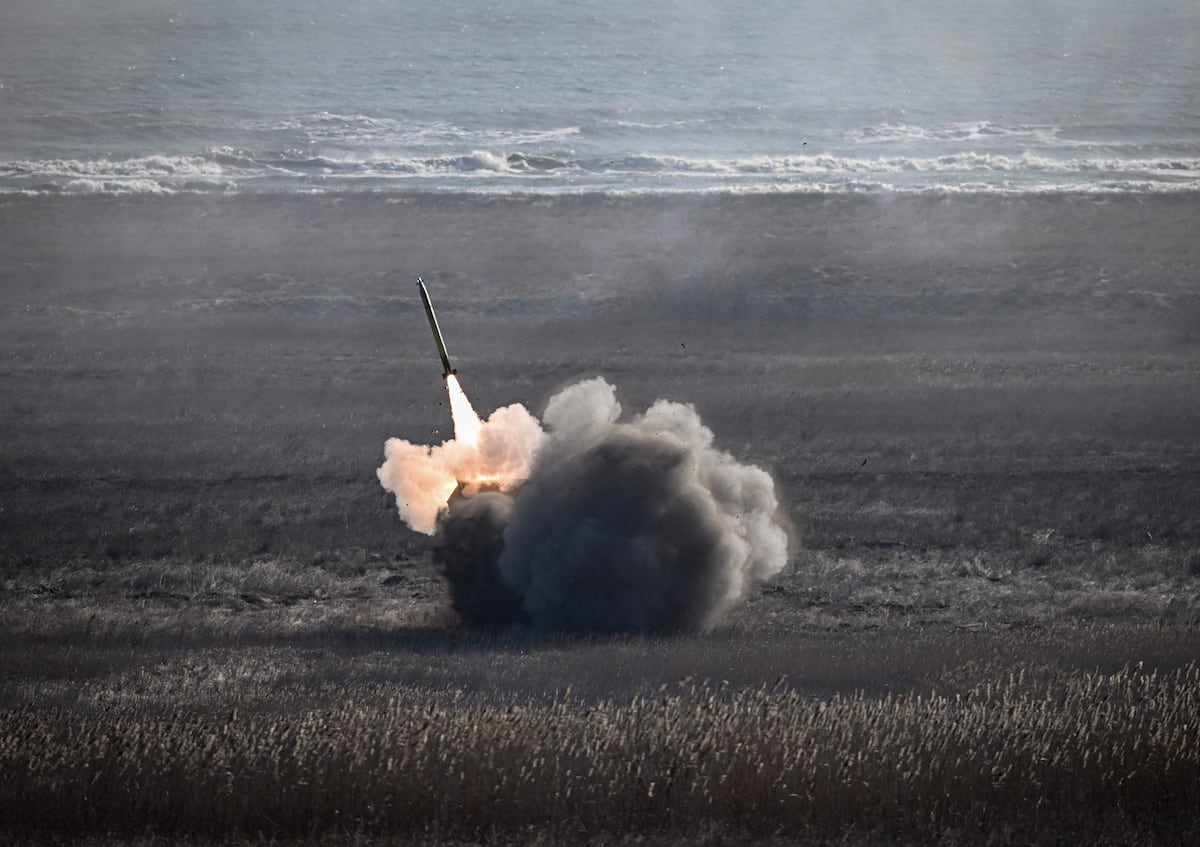
The companies said the first Thundart munition for France’s Long-Range Land Strike program was test-fired at the Île du Levant range in the Mediterranean on April 14. The ground-to-ground rocket currently has a stated range of 150 kilometers, with the firms also considering longer-range developments.
That timing matters because France’s defense-planning update calls for replacing nine existing LRU systems with at least 13 new rocket-artillery systems in 2030. Safran and MBDA say they can meet that schedule, and Safran told Defense News that operational systems could be supplied as early as 2029 if requested by the French procurement authority.
Why this program matters now
The urgency comes from lessons drawn from recent wars. Long-range fires have reemerged as a central capability in high-intensity conflict, and European militaries are reassessing inventories that shrank during years of expeditionary focus. French Armed Forces Minister Catherine Vautrin described the successor to the LRU as a priority and “indispensable” capability for the Army.
France is evaluating several paths. In addition to the Safran-MBDA offer, domestic alternatives include a Thales-ArianeGroup proposal, while off-the-shelf foreign systems are also under review. Vautrin has said she wants a clear comparison of effectiveness, price and delivery speed, including against Asian systems.
That means the contest is not only technical. It is industrial and strategic. European governments increasingly want critical weapons to be available without export restrictions or dependency risks that could limit operational freedom. Safran said Thundart is fully designed and produced in France and is not subject to U.S. International Traffic in Arms Regulations, a point likely aimed directly at that sovereignty debate.
Industrial depth and strategic tradeoffs
The companies said around 100 employees across both firms have been working on the system, and they are considering a joint venture to continue development, including longer-range rockets. That hints at ambitions beyond a one-off procurement. A successful domestic launcher could anchor a larger French industrial base for rocket artillery, munitions and future upgrades.
At the same time, sovereign development usually competes against systems that are already in production elsewhere. European forces have purchased South Korea’s Chunmoo system, while other established options include Israel’s PULS. Buying off the shelf can reduce schedule risk, but it may also constrain local industrial control and long-term autonomy.
The Thundart proposition is therefore being tested on multiple fronts at once. Can it deliver the capability France wants on the timeline France needs? Can it do so at acceptable cost? And can a sovereign design justify itself against mature alternatives already available from abroad?
The early test firing does not answer those questions, but it does move the program from concept toward demonstrable hardware. In procurement terms, that is meaningful. Programs built around declared strategic necessity still need evidence that engineering and manufacturing are real.
For France, the stakes extend beyond replacing nine aging launchers. The country is trying to decide what kind of defense industrial posture it wants in an era of renewed European rearmament. A domestically produced long-range strike system would fit the broader push for national and continental resilience in key military technologies.
If Safran and MBDA can sustain schedule credibility and technical progress, Thundart could become more than a munition test. It could become a marker of how far France is willing to go in rebuilding sovereign firepower rather than importing it.
This article is based on reporting by Defense News. Read the original article.
Originally published on defensenews.com