A budget hearing turns into a war strategy fight
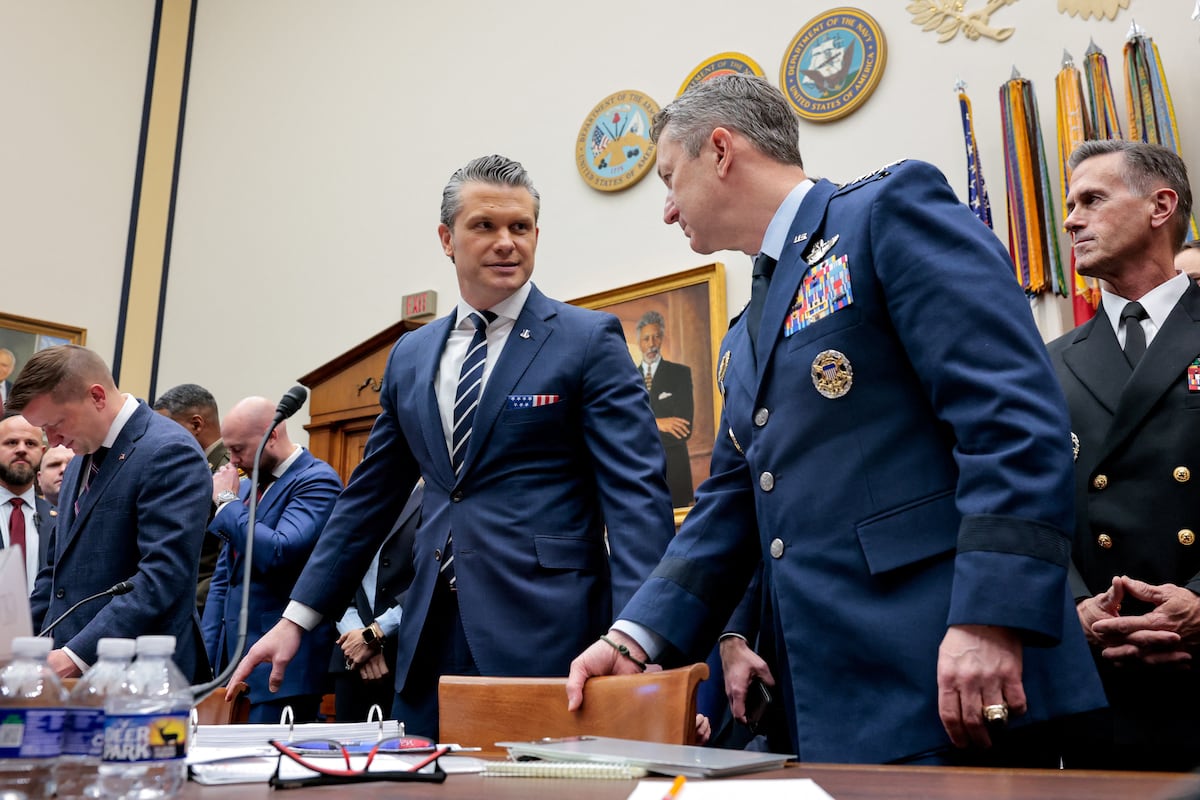
What began as a hearing on the Pentagon’s fiscal 2027 budget request quickly became a broader argument over the direction of the Iran war. Defense Secretary Pete Hegseth used the April 29 session to defend the administration’s approach, while lawmakers pressed him on how long the conflict might continue and what outcome the United States was actually pursuing.
The exchange mattered because it exposed a widening divide between tactical claims of military success and unresolved questions about strategic end state. Committee members praised deployed service members, but several demanded a clearer answer on duration, authorization, and the political logic of continuing the campaign.
Hegseth refused to speculate on how long the war would last. Instead, he castigated critics in Congress, calling some lawmakers “reckless, feckless and defeatist” for questioning the operation’s purpose and trajectory. The clash underscored how politically charged the war has become as legal and constitutional deadlines approach.
What the administration says it has achieved
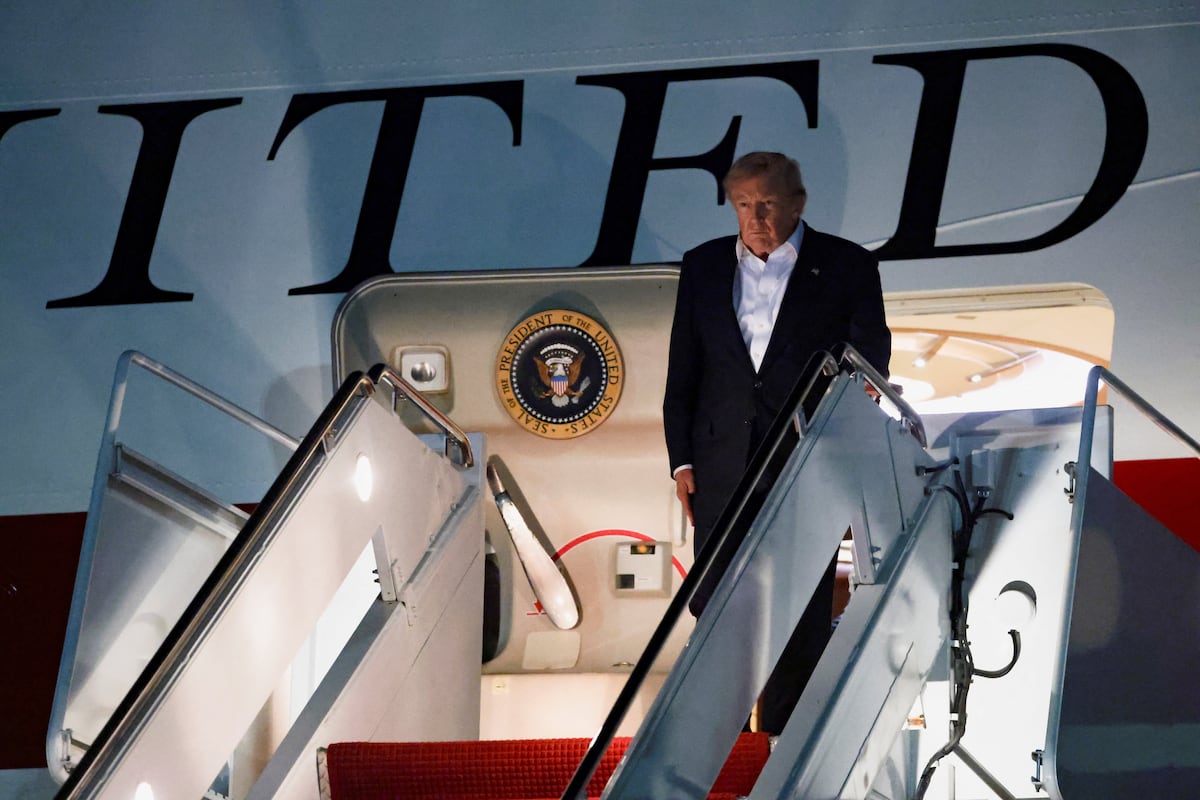
According to the hearing record in the supplied source text, President Donald Trump laid out three initial goals when the United States and Israel launched combat operations in Iran on February 28: destroy Iran’s missile capability, annihilate its navy, and ensure the country would never possess nuclear weapons.
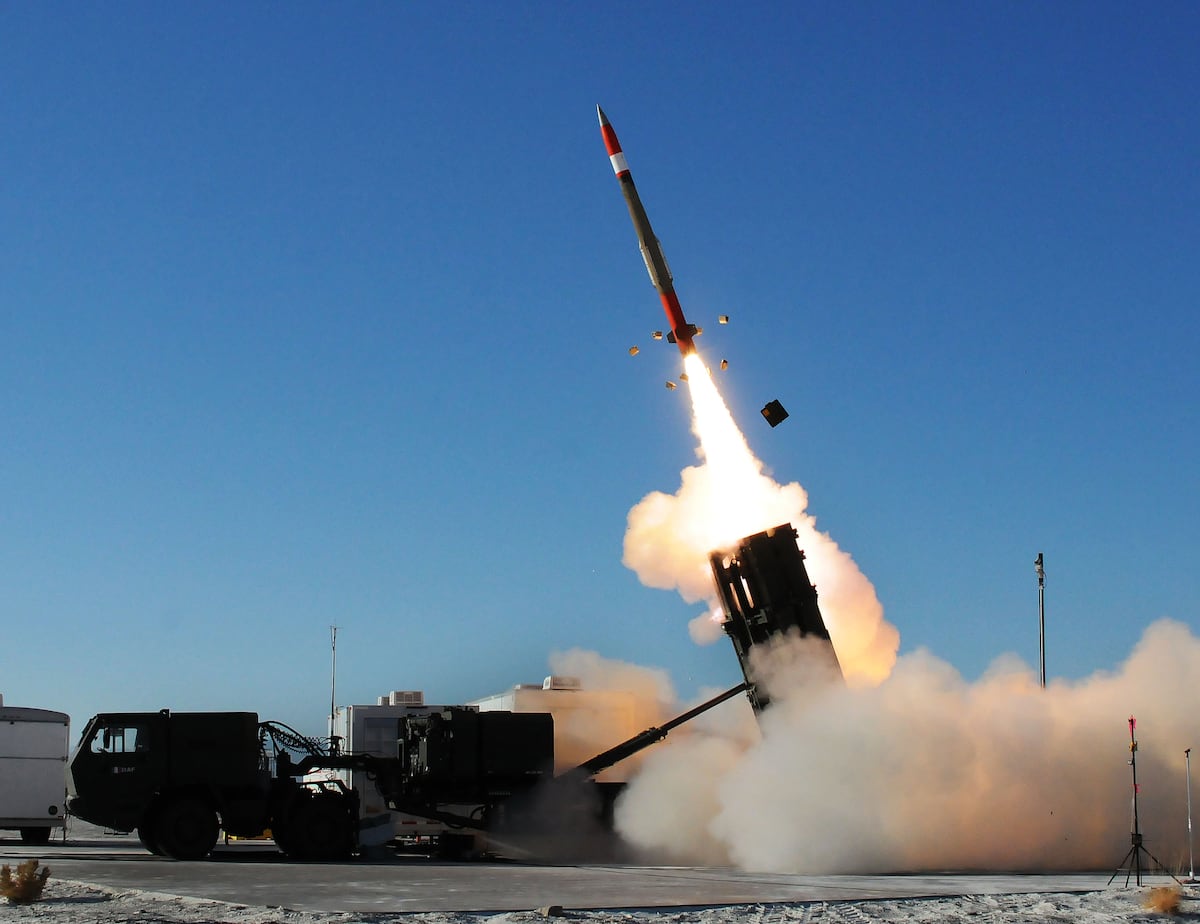
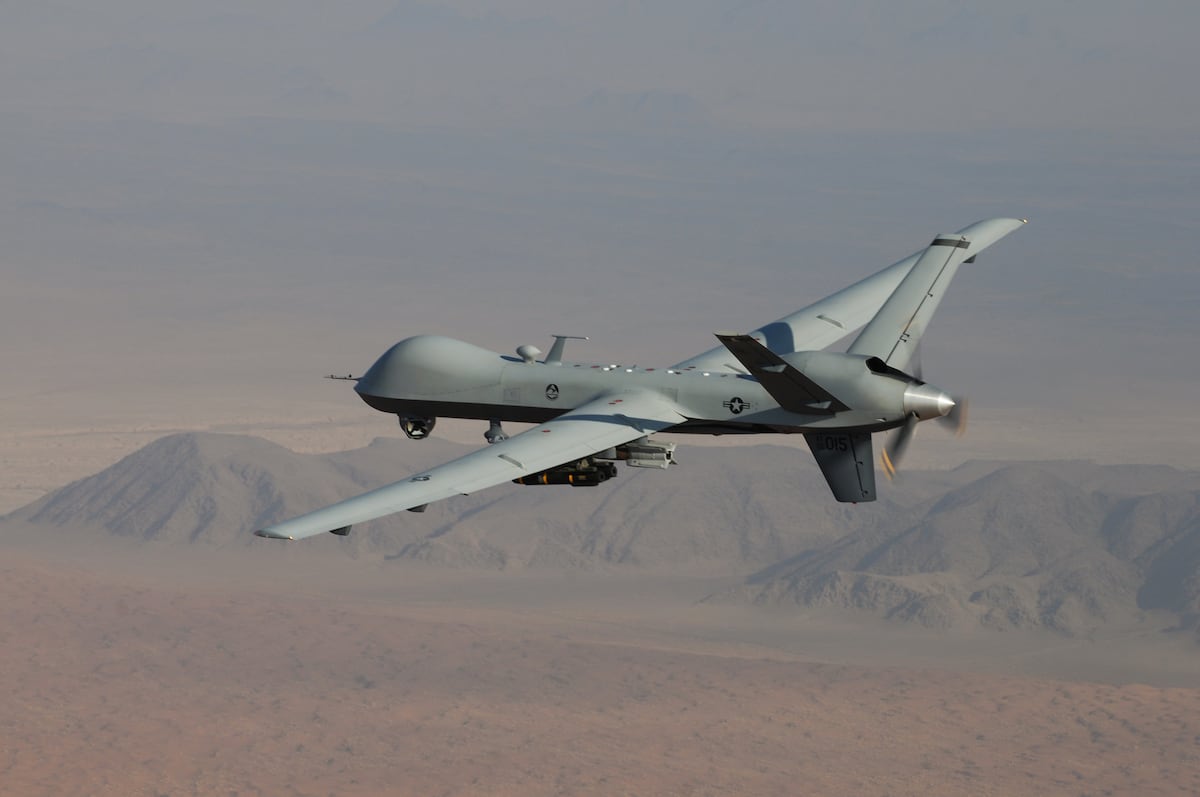
The source says the operation killed Iran’s supreme leader, Ayatollah Ali Khamenei, along with several other key leaders, destroyed Iran’s navy, and wiped out key military installations. Hegseth argued that the administration had taken the only serious step any U.S. leader had taken to physically stop Iran from obtaining a nuclear weapon.
He also said Iran continues to have nuclear ambitions despite damage inflicted by Operation Midnight Hammer last summer, which he said obliterated facilities. His formulation suggested the war’s strategic logic now centers less on initial battlefield destruction and more on coercing Iran into giving up its nuclear ambitions at the negotiating table.
Why lawmakers are unconvinced
That strategic ambiguity is what drove the harshest questioning. Ranking committee member Adam Smith asked where the war was going. Representative John Garamendi said the military had achieved “tactical success” but argued that the administration’s overall strategy reflected incompetence.
Those critiques were not aimed at battlefield execution. They were aimed at the absence of a defined endpoint. If Iran’s navy is destroyed and military infrastructure has been heavily damaged, lawmakers want to know what threshold would count as mission completion and who gets to decide whether the campaign continues.
Hegseth rejected the suggestion that the operation was sliding toward a quagmire, saying critics should be ashamed to use that term only two months into the effort. But the fact that the comparison surfaced at all shows how quickly political patience can narrow when war aims evolve faster than public explanations.
The War Powers clock is the immediate pressure point
The hearing took place just before a 60-day deadline under the War Powers Act. As described in the source text, the law requires the president either to seek congressional authorization to continue the operation or to withdraw troops. Trump may request an extension if more time is needed to withdraw U.S. forces safely.
That deadline transforms a strategic debate into an institutional one. Lawmakers are no longer merely asking whether the campaign is wise. They are asking whether the administration intends to continue it with explicit congressional backing.
This is why the refusal to discuss duration is politically consequential. A president can argue that military operations are necessary. It is harder to sustain that position indefinitely without stating how long the commitment may last or what conditions would end it.

The cost and retaliation are already real
The hearing record also points to the costs already incurred. According to testimony, the war has cost $25 billion to date. The source further states that Iranian retaliation included missile and air assaults on U.S. military facilities, killing 13 people and damaging bases across the region as well as civilian targets in Middle Eastern countries.
Those facts widen the debate beyond legal procedure. They raise the question of whether the campaign’s strategic benefits are being measured against a growing regional burden. A conflict can produce tactical gains and still leave open the question of whether it is generating a more dangerous long-term environment.
For Congress, that is precisely why authorization matters. Once casualties mount, costs rise, and objectives shift from destruction to coercion, the argument for explicit political ownership becomes stronger.
What this moment reveals
The latest hearing revealed an administration trying to hold two positions at once. First, it wants to present the war as an operational success. Second, it wants to avoid being pinned down on timeline, endpoint, or exit conditions. That may be understandable from a wartime communications standpoint, but it is inherently unstable in a constitutional system that expects congressional oversight.
The exchange also showed that the opposition argument is becoming more specific. Lawmakers are not simply objecting in abstract terms. They are asking how military action translates into durable policy results and how long the executive branch can continue the campaign without formal authorization.
Three unresolved questions now define the next phase:
- Will the administration seek congressional authorization before the War Powers deadline fully matures?
- What outcome would count as the end of the current operation?
- How much additional cost and regional escalation is the White House prepared to absorb?

A turning point in the political war, not just the military one
The military campaign against Iran may still be in an active operational phase, but politically it is entering a different stage. The argument is shifting from whether force was justified to how an open-ended campaign is governed, financed, and bounded.
Hegseth’s refusal to speculate on length may have helped him avoid a commitment in the room. It did not reduce the pressure building around the administration’s war strategy. As the War Powers timeline closes in, the harder question is no longer whether the Pentagon can continue the fight. It is whether the White House can continue to define success without defining an end.
This article is based on reporting by Defense News. Read the original article.
Originally published on defensenews.com