A new missile program is moving from concept to scale
The U.S. Air Force is preparing for a major expansion of a low-cost cruise missile program that could reshape how it thinks about mass, affordability, and strike capacity. According to newly disclosed fiscal 2027 budget documents, the service could buy nearly 27,000 copies of its Family of Affordable Mass Missile, or FAMM, over the coming years while spending more than $12 billion to build up inventory.
That scale stands out even in a Pentagon environment already focused on munitions production. The documents suggest the Air Force sees FAMM not as a niche experiment, but as a large-volume weapon intended to complement or offset reliance on more expensive systems.
Procurement plans show an aggressive ramp
The budget profile described by Breaking Defense is unusually explicit. After procurement begins in fiscal 2026, the Air Force is seeking $300 million in reconciliation funding in fiscal 2027 to buy 1,000 missiles. The growth curve then steepens sharply: 5,300 are projected for fiscal 2028, with annual quantities continuing to rise until production reaches 7,990 in fiscal 2031, the final year shown in the five-year forecast.
Those numbers make FAMM notable not just for its affordability goal, but for the industrial scale behind it. In modern U.S. weapons procurement, quantity is often constrained by cost, production complexity, or both. FAMM appears designed to break that pattern.
How it compares with existing missile buys
The contrast with other Air Force munitions is revealing. The service’s Joint Air-to-Surface Standoff Missile, a much more sophisticated long-range strike weapon, is projected at an annual procurement rate of 860 units in the out-years. The Advanced Medium Range Air-to-Air Missile is shown settling at 720 per year beginning in fiscal 2028.
FAMM’s projected numbers far exceed those rates. That does not mean it replaces those weapons. It does suggest a different operational role: one built around affordable volume, expanded inventory, and the ability to sustain large salvo sizes over time.
What is known about the program
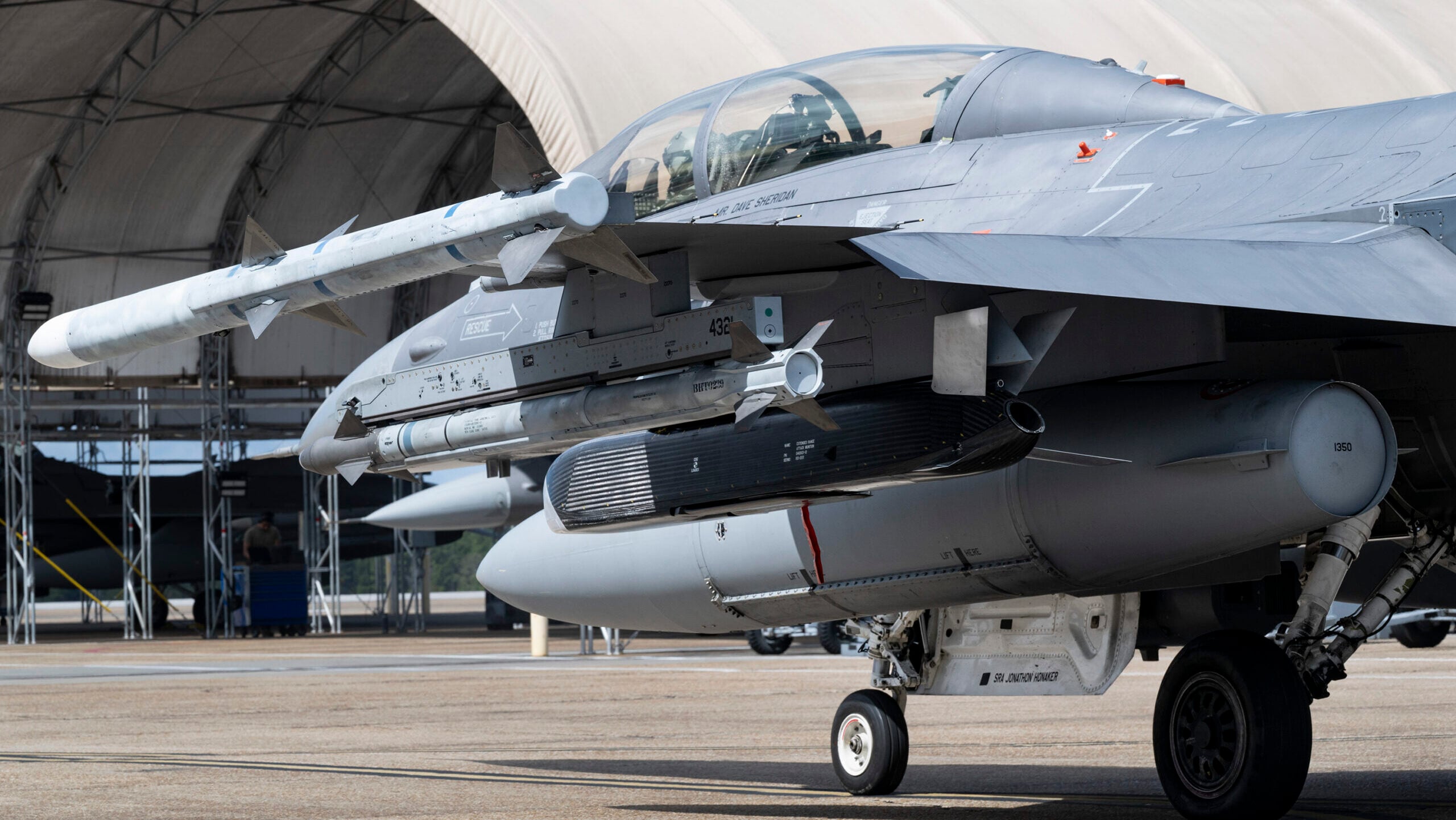
Air Force officials have kept many details of FAMM private, but some elements are now public. Budget documents identify Anduril, CoAspire, and Zone 5 as active vendors, particularly for a “lugged” version of the weapon that can be carried by fighters and bombers. The documents do not break out award values or production shares by company.
The program also appears to have evolved from an earlier effort known as the Enterprise Test Vehicle. According to an Anduril official previously cited by Breaking Defense, the Air Force established FAMM as a program of record by building on work done under that prior initiative. What was originally envisioned as a palletized munition is also expected to be adapted into a lugged configuration.
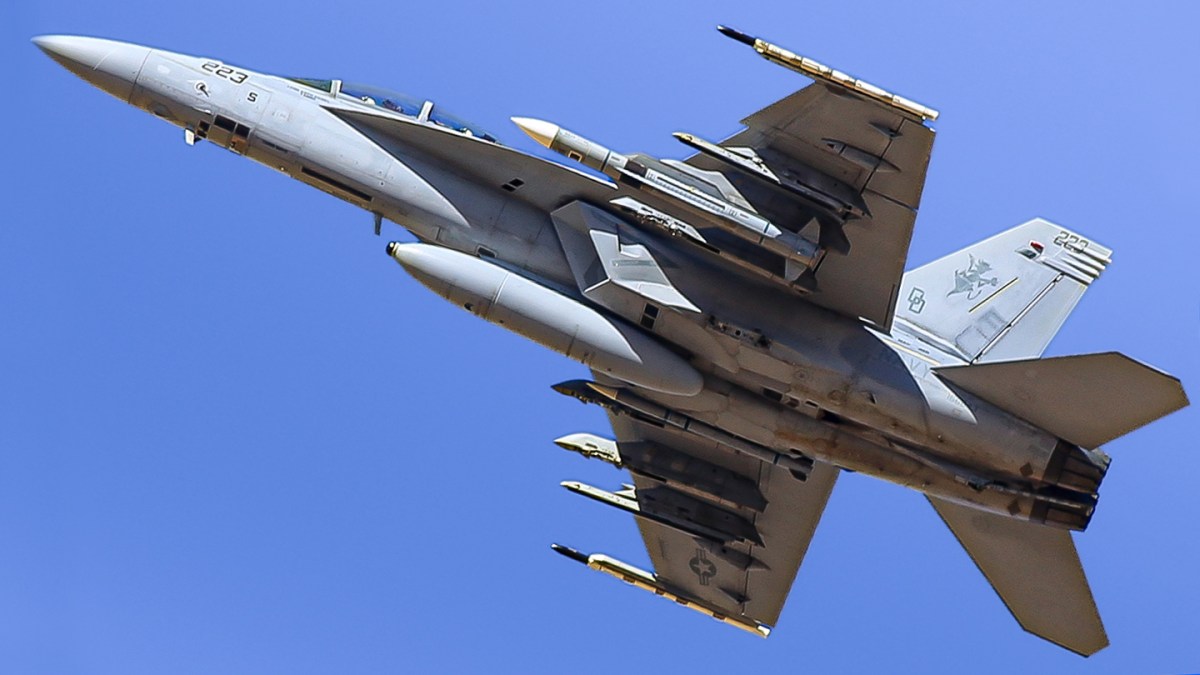
The Air Force publicly disclosed a test of the lugged FAMM on April 13, though the article indicates the service did not provide full details in the excerpt supplied here.
Why the numbers matter
The significance of FAMM lies in what it says about U.S. force design priorities. A missile bought in the tens of thousands points to demand for expendable, scalable firepower rather than only small inventories of premium weapons. That has implications for air campaign planning, logistics, and industrial readiness.
It also reflects a broader strategic concern now visible across the Pentagon: whether the United States can generate enough munitions at acceptable cost in a prolonged high-end conflict. Seeking multiyear procurement authority for FAMM suggests the Air Force wants predictability and production volume, both of which are central to building stockpiles quickly.
A different theory of airpower inventory
For years, debates about advanced weaponry have often centered on range, survivability, and sophistication. FAMM adds another axis to that conversation: quantity. A lower-cost cruise missile purchased at scale could allow the Air Force to distribute risk differently, preserve scarce high-end weapons for select targets, and create pressure through sheer volume.
Whether the industrial base can sustain the projected production rates remains a separate question. The Pentagon’s wider push for missile procurement has already raised concerns about manufacturing capacity and supply-chain resilience. But the Air Force’s intent is now visible in budget form, and it is hard to mistake.
FAMM is no longer just an emerging concept attached to a few test disclosures and sparse official comments. It is becoming a major procurement line and, potentially, one of the clearest signs yet that the service is trying to buy not only exquisite capability, but affordable mass.
This article is based on reporting by Breaking Defense. Read the original article.
Originally published on breakingdefense.com