A Long-Awaited First Flight
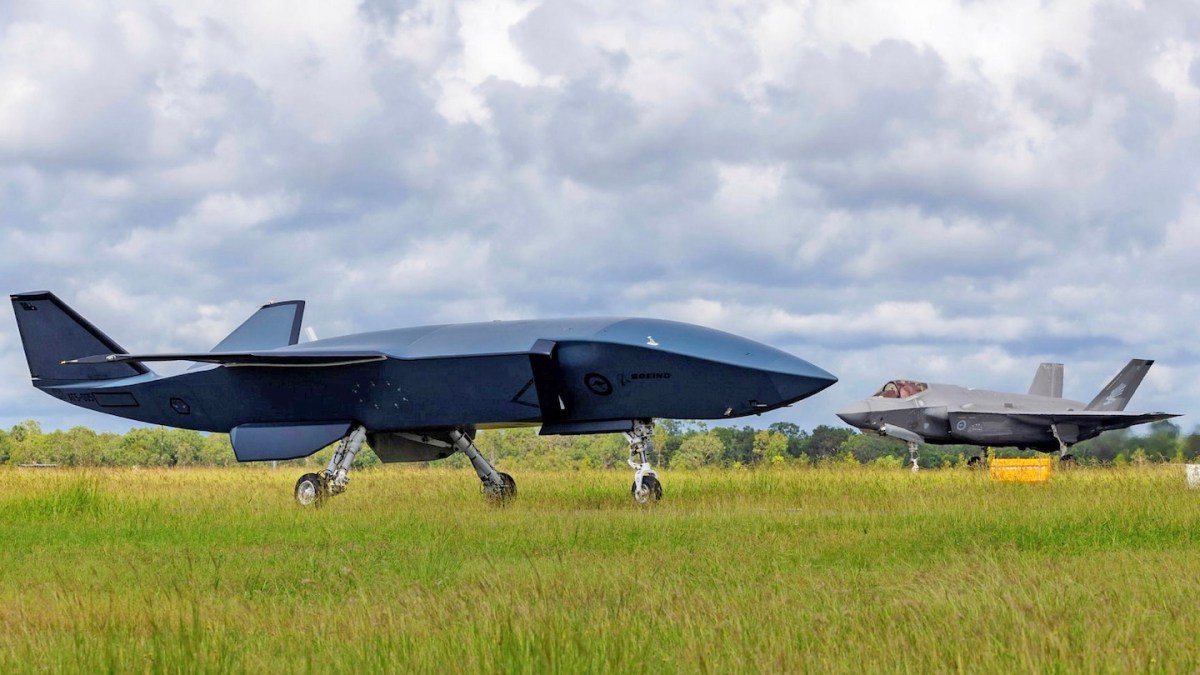
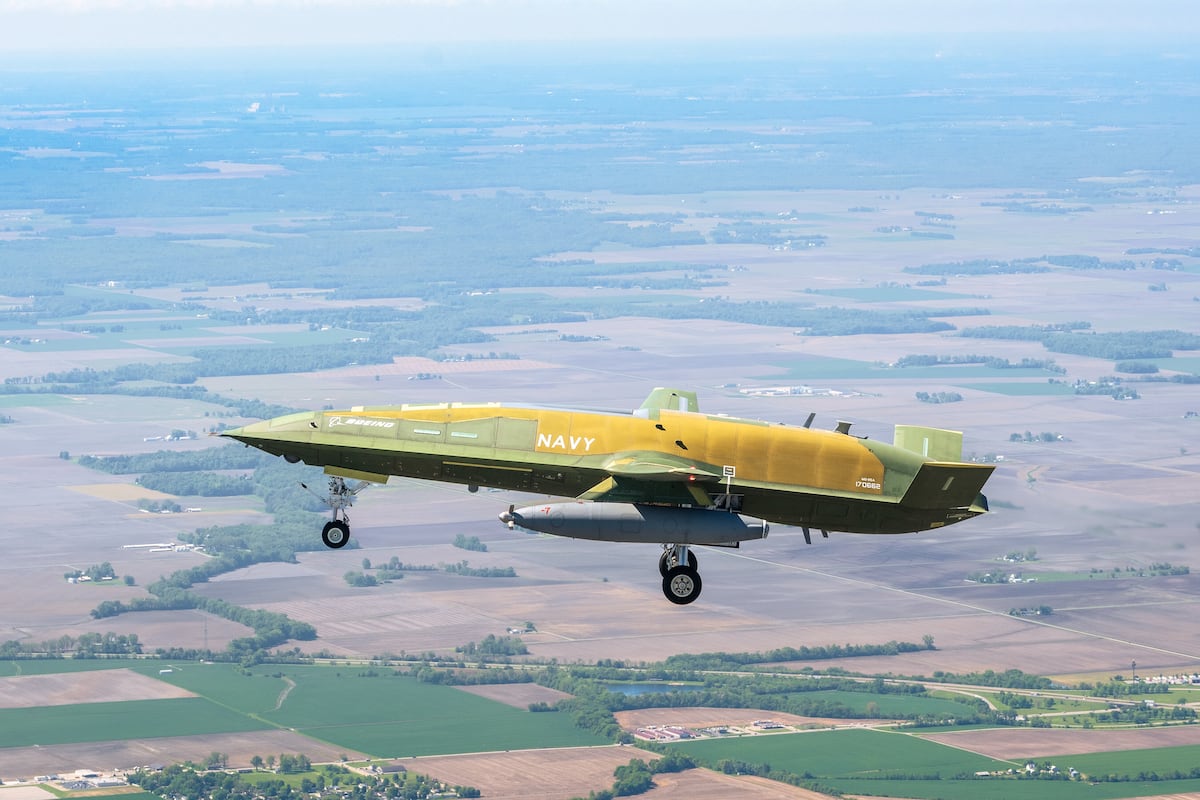
The U.S. Navy’s MQ-25A Stingray has completed its first successful test flight, marking a significant milestone in the military’s effort to integrate operational unmanned aircraft into carrier aviation. The aircraft launched from Boeing’s facility at MidAmerica Airport in Mascoutah, Illinois, flew for about two hours, and validated core elements of basic flight control, engine performance, and handling.
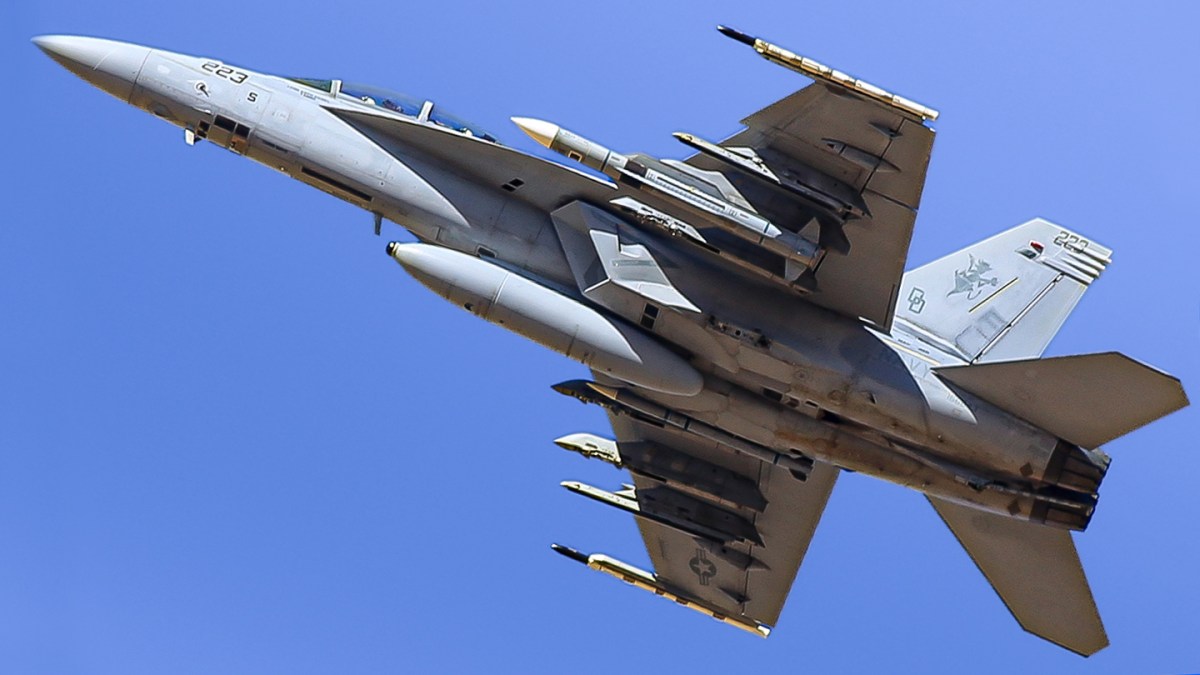
That alone would make the event noteworthy. But the Stingray’s importance goes further. The aircraft is designed as an aerial refueling tanker, intended to take over a mission currently performed by Navy F/A-18 Super Hornets. By shifting that task to an unmanned system, the Navy aims to free crewed fighters for strike and multi-role missions while extending the reach of the carrier air wing.
Why Refueling Matters More Than It Sounds
Aerial refueling may not carry the glamour of a stealth strike platform, but it is central to carrier effectiveness. When frontline fighters are used as tankers, they are not available for their primary combat roles. The MQ-25A is therefore not merely an add-on drone. It is a force-structure adjustment designed to improve how the carrier air wing allocates its most valuable crewed assets.
Rear Adm. Tony Rossi described the aircraft as the first step in integrating unmanned aerial refueling onto the carrier deck. That framing is important because it positions the Stingray not as a standalone novelty, but as the opening move in a broader change to naval aviation operations.
Autonomy Is Part of the Story
Boeing said the Stingray demonstrated its ability to taxi, take off, fly, and land autonomously while completing a predetermined mission plan. During the test, Navy and Boeing pilots controlled the aircraft from the Unmanned Carrier Aviation Mission Control System MD-5 Ground Control Station. Together, those details point to the hybrid reality of modern military autonomy: the system can execute core actions on its own, but it remains embedded in a supervised operational framework.
That model is likely to matter as the Navy expands testing. Carrier operations are among the most demanding environments in military aviation, and every step toward deck integration carries technical and procedural consequences. Demonstrating autonomous behavior in a successful first flight is therefore meaningful beyond the aircraft itself.
What Happens Next
The Navy says the MQ-25A will later conduct a ferry flight to Naval Air Station Patuxent River in Maryland. Before that, Boeing and the service plan additional test flights in Illinois to further evaluate the aircraft’s controls and capabilities. Those flights will form part of a broader campaign to expand the aircraft’s performance envelope and verify its mission systems.
The Stingray that just flew is the first of four Engineering Development Model aircraft to be delivered under an $805 million contract. That means the program is moving from symbolic progress into a more structured test phase, where schedules, system maturity, and integration risk will matter as much as headline milestones.
A Program With Broader Strategic Weight
The Navy awarded Boeing the MQ-25 contract in 2018 under the Unmanned Carrier-Launched Airborne Surveillance and Strike program. Although the current emphasis is on refueling, the broader lineage of the program reflects longstanding interest in unmanned carrier aviation for additional missions, including surveillance and intelligence support.
That larger context matters because the Stingray could help normalize unmanned operations on the carrier deck. Once the Navy proves it can safely field, control, and sustain a carrier-based unmanned aircraft in an operational role, the barrier to adding more advanced unmanned mission sets may fall.
A Practical Milestone, Not the End State
It would be a mistake to treat the first test flight as the completion of the program’s main challenge. The difficult work now lies in rigorous flight testing, systems verification, and eventual integration into the pace and complexity of carrier operations. Still, first flights matter because they convert paper programs into physical trajectories. They show that an aircraft can begin moving through the real sequence of validation that separates ambitious procurement plans from operational systems.
For the Navy, the Stingray’s debut is especially significant because it connects autonomy to a concrete operational payoff: more range and more available fighters for the air wing. That is a compelling value proposition in a military increasingly interested in unmanned systems that do not merely exist alongside legacy forces, but materially improve how those forces fight.
- The MQ-25A Stingray completed a roughly two-hour first test flight in Illinois.
- The aircraft is designed to assume the aerial refueling role from Navy F/A-18 Super Hornets.
- Boeing says the Stingray demonstrated autonomous taxi, takeoff, flight, and landing.
This article is based on reporting by Defense News. Read the original article.
Originally published on defensenews.com