The Navy is buying time in its amphibious fleet
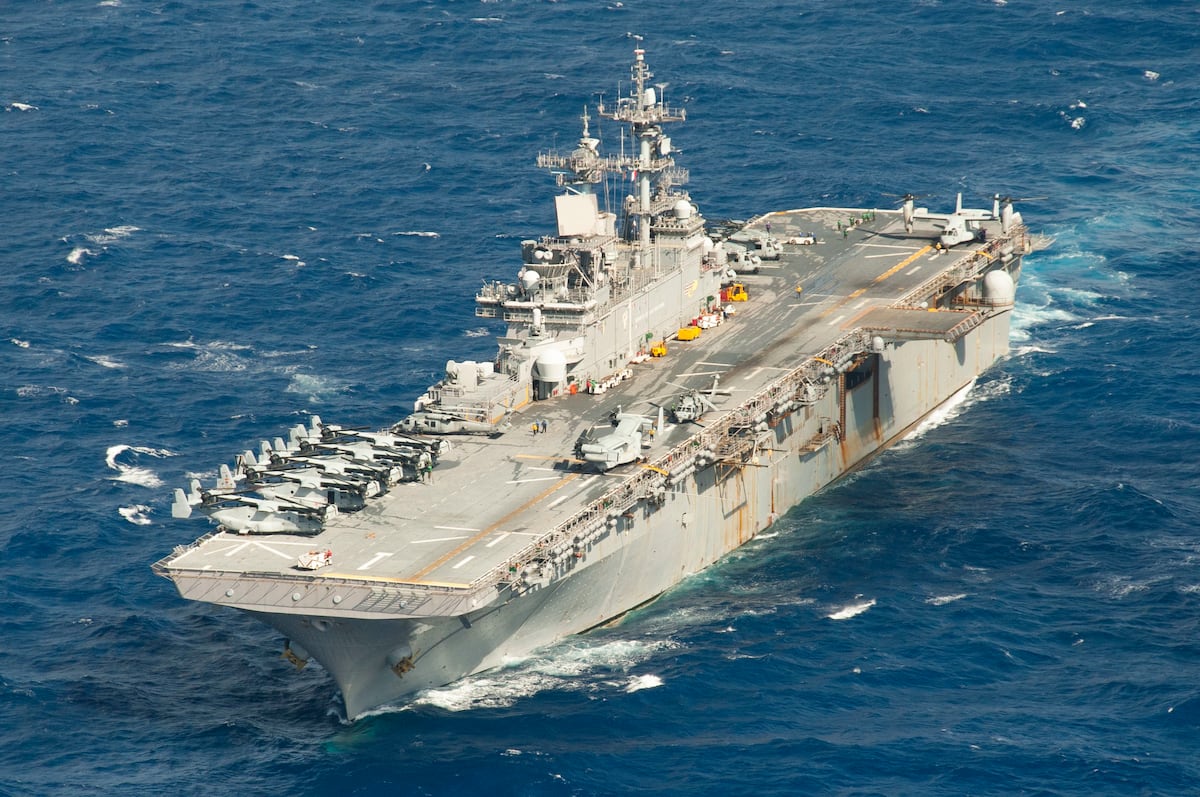
The U.S. Navy and Marine Corps have approved a five-year service life extension for USS Wasp, pushing the lead amphibious assault ship of its class out to 2034. The decision, announced by Expeditionary Warfare Director Brig. Gen. Lee Meyer at the Modern Day Marine exposition in Washington, reflects a broader reassessment of how long the sea services can keep key amphibious ships in operation.
In narrow terms, the move concerns one ship. In strategic terms, it signals an effort to preserve amphibious capacity while the Navy studies the health and future of related vessels across the fleet. Meyer said the Chief of Naval Operations had approved the USS Wasp extension after a study of Wasp-class amphibious assault ships, and added that the plan is to examine the remaining large-deck amphibious ships to see whether they can also be extended.
Why the decision matters
Amphibious warships are central to Marine Corps expeditionary operations. They support aviation, troop movement, command functions, and crisis response. Any decision to keep them in service longer therefore affects force structure, maintenance planning, and near-term options for naval presence. Extending USS Wasp suggests the Navy sees continued value in the class and believes the lead ship can remain operationally viable beyond its original timeline.
The announcement also comes at a moment when amphibious fleet availability remains under pressure. The source text does not frame the move as a stopgap, but service life extensions are almost always about managing tradeoffs among procurement pace, fleet readiness, and operational demand. When replacement timelines are long and mission needs remain immediate, preserving existing hulls becomes one of the few levers the Navy can pull quickly.
More studies are coming
Meyer said the other landing helicopter dock ships, or LHDs, still need to be studied to determine whether their service lives can also be lengthened. That makes USS Wasp less of an isolated case than an early data point in a potentially wider policy shift. If the remaining ships in the class can be extended, the Navy could stabilize part of its amphibious inventory without waiting for new platforms to arrive.
Another related study is close behind. Meyer said the Naval Sea Systems Command is expected within days to deliver a separate assessment of amphibious dock landing ships. That review is intended to update leaders on the condition of those ships and provide recommendations on whether they too can remain in service longer than previously planned.
Industrial and operational implications
Service life extensions are never just paperwork. They typically depend on the technical condition of the ships, the projected cost of maintenance and upgrades, and the operational benefit of retaining them. Extending a large amphibious assault ship by five years means the Navy is prepared to treat continued upkeep as worth the investment. It also means shipyards and sustainment planners may have to support older platforms for longer.
For the Marine Corps, the upside is clear. Additional years of availability for amphibious ships can preserve lift and aviation capacity while broader fleet debates continue. Even if only some ships qualify for longer service, that can still help reduce the risk of gaps in the fleet's ability to support expeditionary operations.
A broader fleet management signal
The USS Wasp decision reflects a larger reality in naval planning: readiness is increasingly shaped not only by what gets built next, but by how effectively the services can extend the useful life of what they already own. In that environment, studies of hull condition and service life are becoming more consequential because they directly affect force availability in the near to medium term.
By extending USS Wasp to 2034 and opening the door to similar reviews for other amphibious ships, Navy leaders are signaling that fleet durability will be an important part of the amphibious equation going forward. Whether more extensions follow will depend on the results now in hand for the LHDs and the analysis still arriving for dock landing ships. For the moment, though, the message is direct: at least one major amphibious asset is staying in the fight longer than planned.
This article is based on reporting by Defense News. Read the original article.
Originally published on defensenews.com