The Marine Corps is planning around unmanned systems, not treating them as an add-on
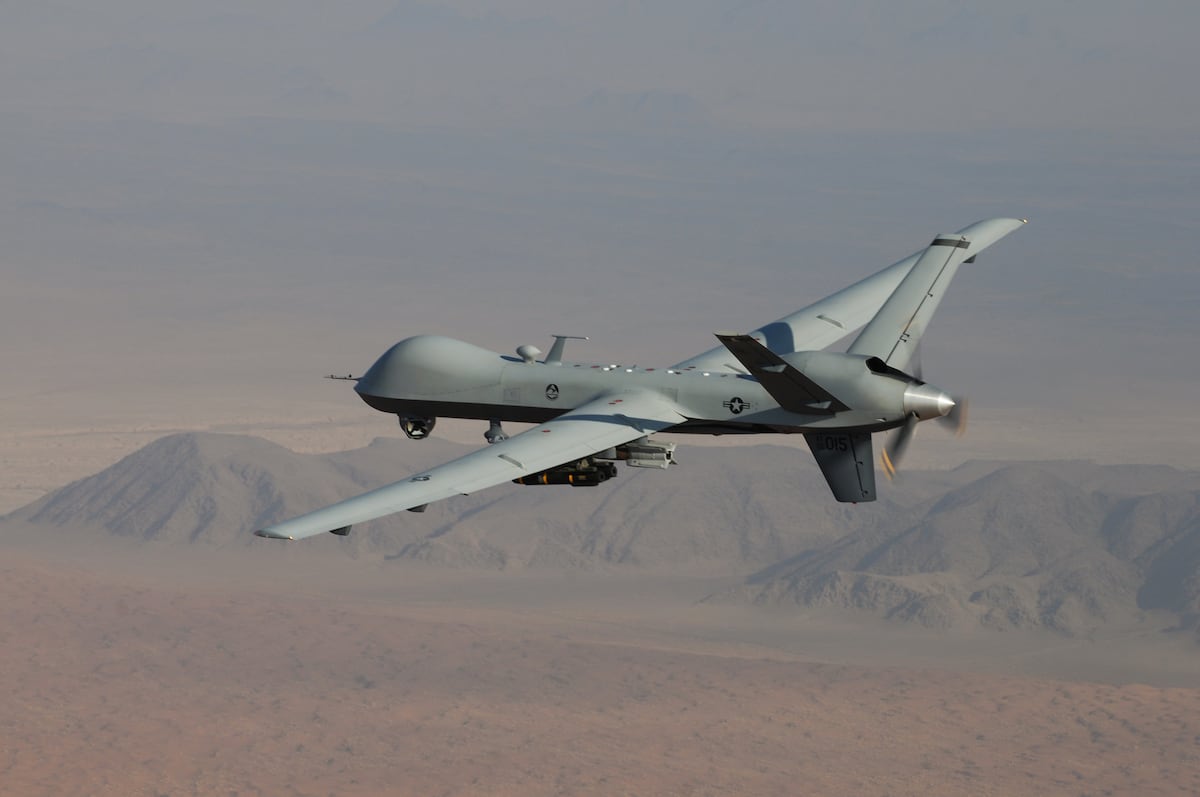
U.S. Marine Corps officials said this week that drones are set to change how the service operates, with unmanned aircraft being developed for both fighter support and intelligence, surveillance, and reconnaissance missions. Speaking at the Modern Day Marine conference in Washington, officials described a future in which unmanned systems become part of core aviation and sensing functions rather than niche capabilities.
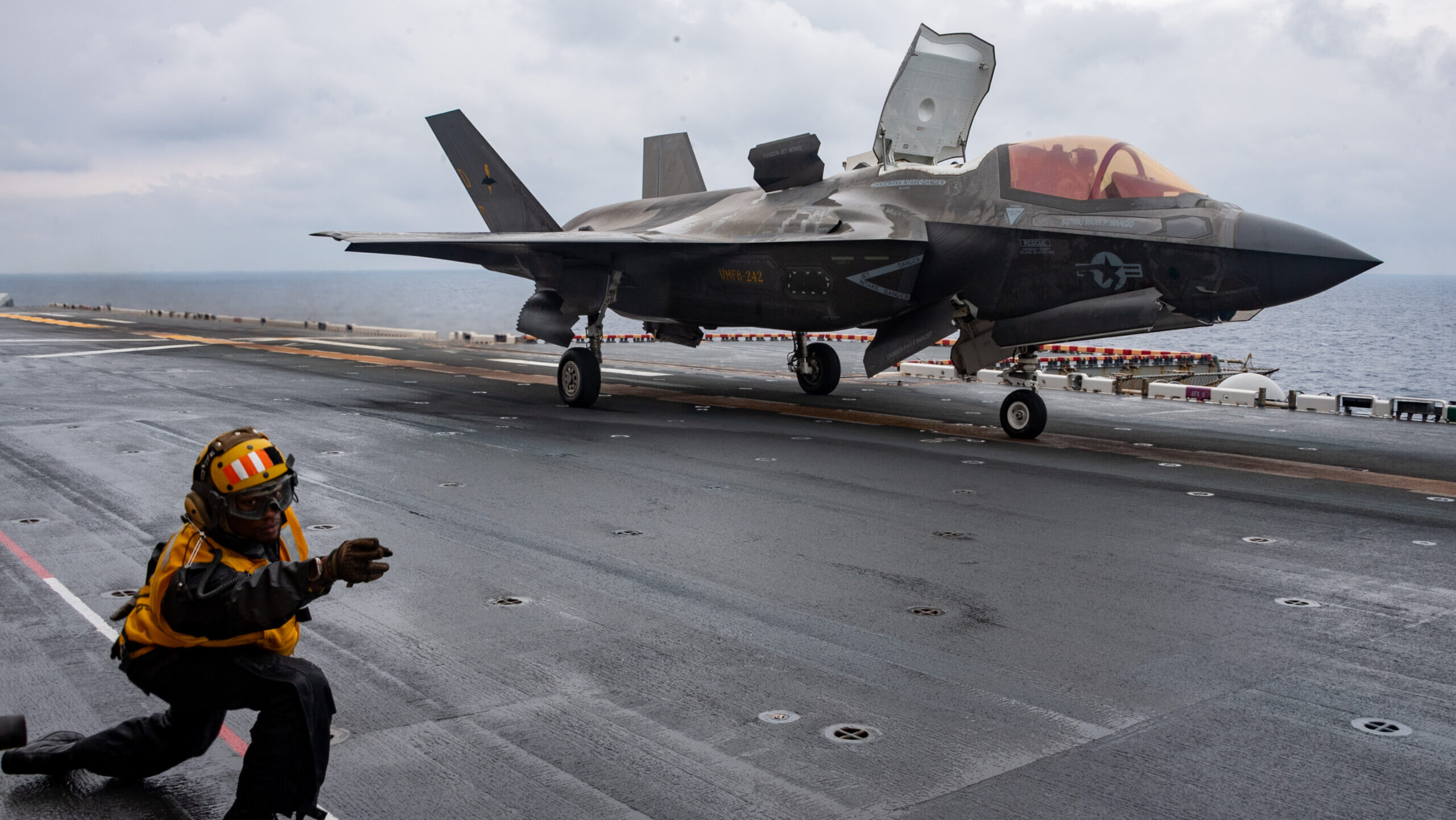
The nearer-term focal point is a Marine effort to field drone wingmen for fighter aircraft. Col. Richard Rusnok of the Cunningham Group said the service expects to put hardware in the hands of troops before the end of the decade, with operational testing by the VMX-1 squadron beginning in about 2029.
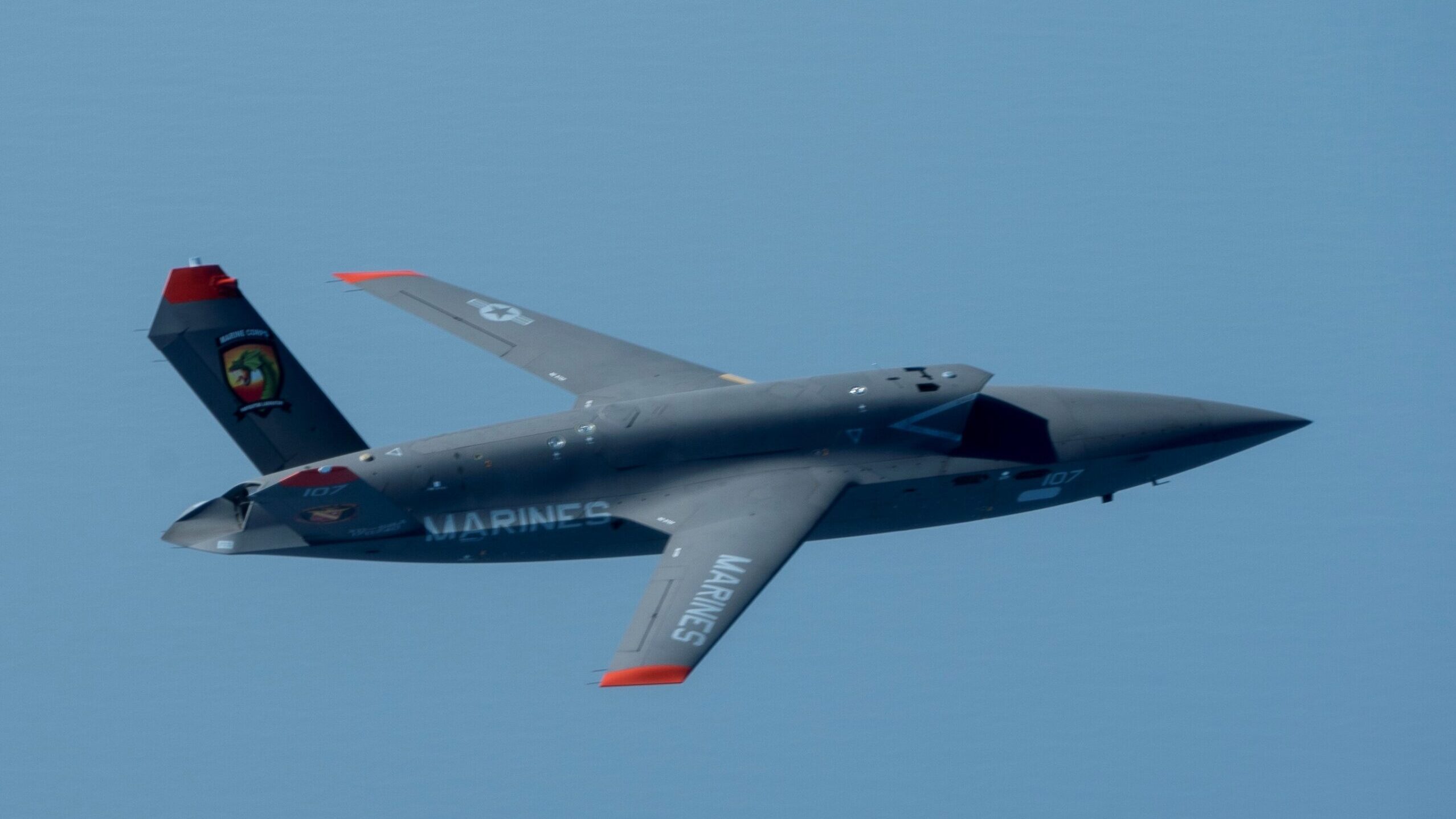
The first round centers on the XQ-58 Valkyrie team
Earlier this year, the Marine Corps selected Kratos’s XQ-58 Valkyrie as part of a team led by Northrop Grumman for the first phase of its Collaborative Combat Aircraft effort, known as Marine Air-Ground Task Force Uncrewed Expeditionary Tactical Aircraft, or MUX TACAIR.
According to Rusnok, the Marines are now working with contractors to adapt the aircraft for conventional takeoff and landing by adding landing gear. Over the next several years, the service plans developmental testing to verify that the aircraft is safe and effective in that configuration, while also integrating mission systems before moving into operational test milestones.
A different model of combat aviation
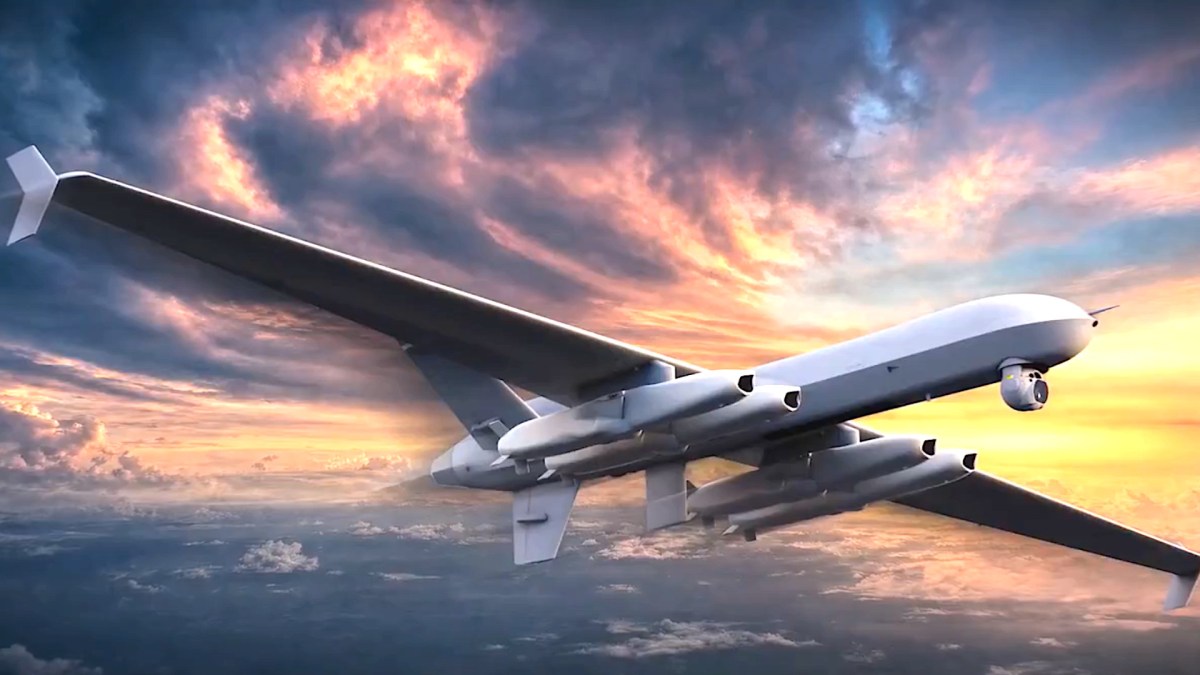
The Marine Corps expects these collaborative aircraft to operate alongside manned fighters, much like parallel efforts under way in the Air Force and Navy. The concept is straightforward but strategically important: uncrewed aircraft could carry additional missiles, host extra sensors, or help improve awareness across the battlespace while reducing dependence on more expensive manned platforms.
That makes the program more than a procurement experiment. It is part of a broader attempt to rebalance cost, risk, and reach in future air operations. A cheaper uncrewed aircraft that can extend a fighter’s weapons load or sensor range changes how commanders can distribute capability in contested environments.
Officials are framing the shift in historic terms
Rusnok described the effort as the opening of “an entirely new realm in Marine aviation,” comparing its possible impact to the introduction of rotary-wing aircraft into the fleet in the 1950s. That comparison is a strong one, but it reflects how seriously Marine leaders are treating the operational implications of unmanned aviation.
The timeline also suggests the Corps is trying to balance ambition with caution. Officials emphasized incremental progress, beginning small and working upward through testing rather than rushing directly to broad fielding.
ISR may be the other major area of change
Beyond fighter support, Marine officials also pointed to unmanned systems as a way to reshape intelligence, surveillance, and reconnaissance work. Maj. Michael Zbonack said drones could reduce the service’s reliance on contractor-owned, contractor-operated surveillance arrangements.
That matters because ISR is one of the most persistent and resource-intensive military requirements. If the Corps can shift some of that workload in-house with its own unmanned systems, it would gain more direct control over collection, responsiveness, and mission design. The source material does not spell out the final concept, but the intent is clear: the Marines are exploring whether uncrewed platforms can cover missions that have often been outsourced.
Why this is more than another drone story
Military organizations have talked about unmanned systems for years, but what stands out here is the spread across mission sets. The same conference discussion linked uncrewed aircraft to high-end aviation teaming and to day-to-day surveillance work. That combination suggests the Marine Corps is not pursuing a single drone program in isolation. It is adapting operating concepts across the force.
The emphasis on conventional takeoff and landing for the XQ-58-based effort is also revealing. It suggests the Marines are trying to adapt new aircraft into practical operational patterns instead of treating them purely as experimental platforms. Integration, not demonstration, appears to be the real objective.
The next milestone is proof in testing
For now, the program remains in a developmental phase. The next several years will focus on flight safety, mission systems, and the milestones needed to support operational testing around 2029. That leaves time for technical issues, design changes, or doctrinal adjustments.
Even so, the direction is unmistakable. Marine leaders are describing unmanned systems as a foundational part of future combat aviation and surveillance. If the planned testing stays on track, the Corps could enter the next decade with drones not just supporting operations at the margins, but helping define how those operations are conducted.
This article is based on reporting by Breaking Defense. Read the original article.
Originally published on breakingdefense.com