A New Ceasefire Signal, With Familiar Uncertainty
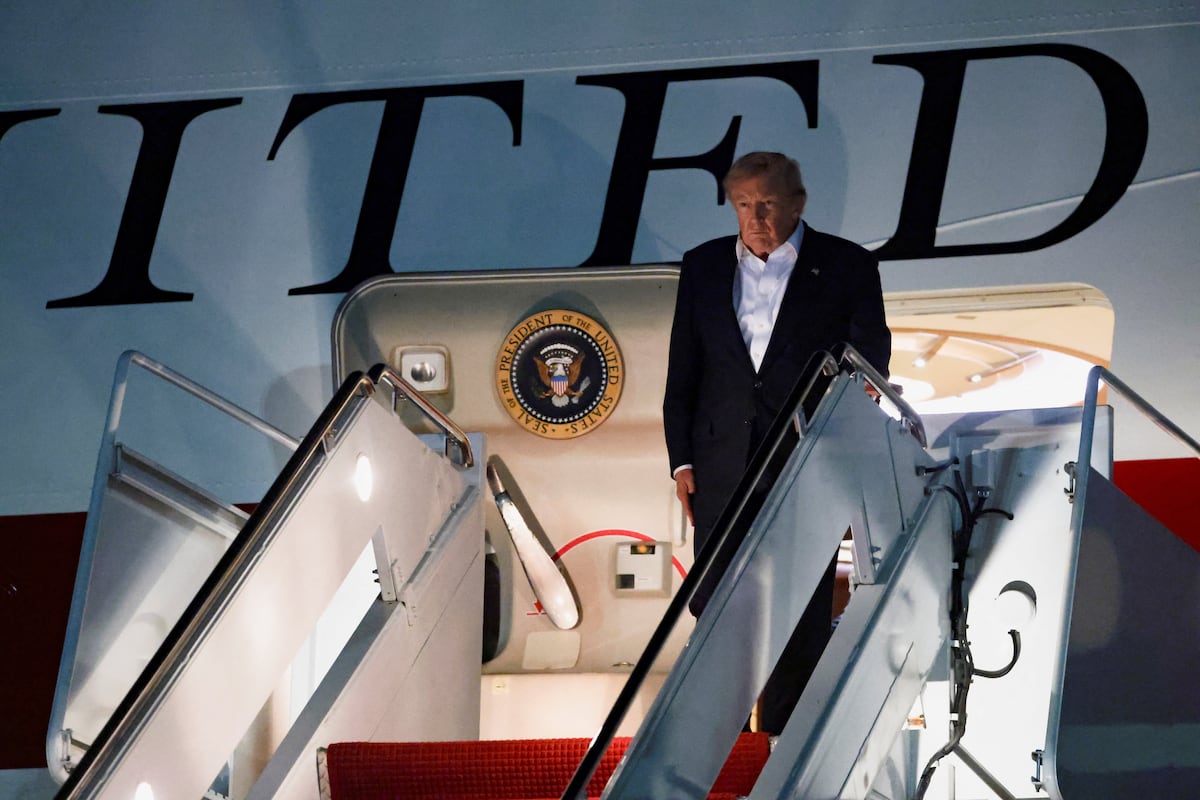
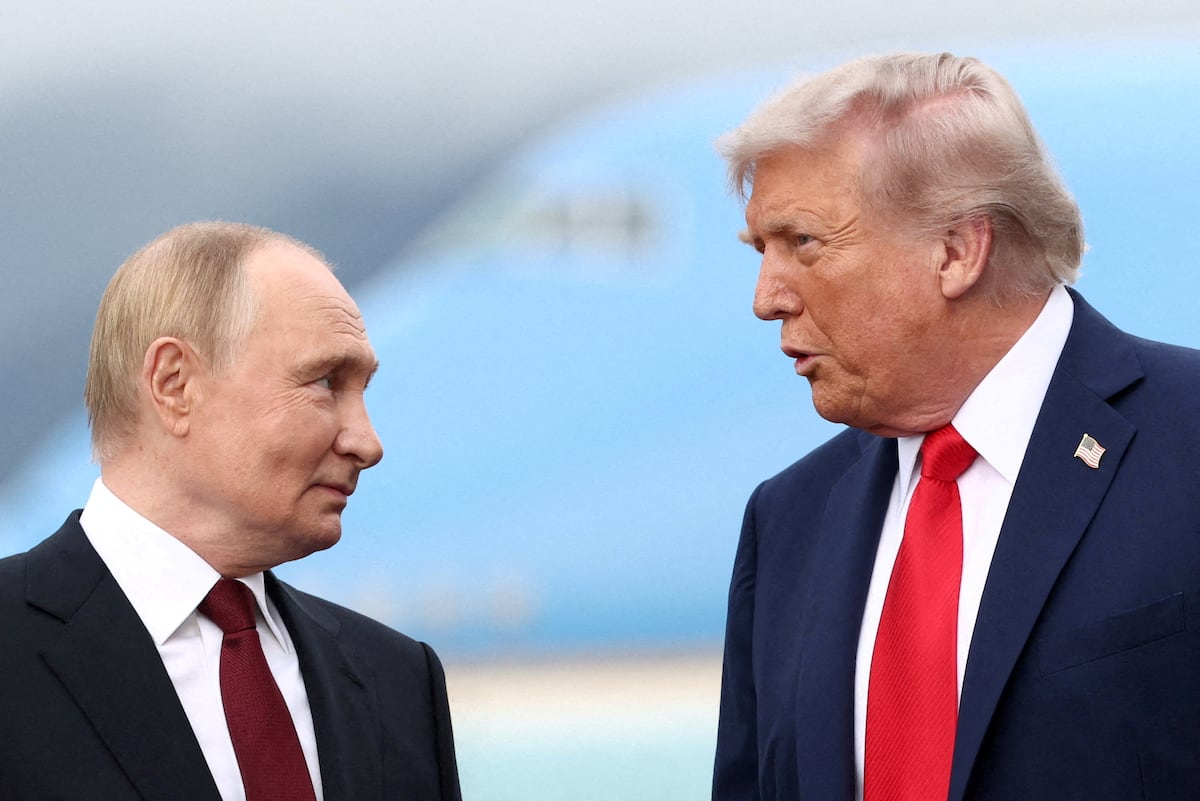
President Donald Trump said he discussed a possible ceasefire in Ukraine with Russian President Vladimir Putin in a phone call on April 29, according to Defense News. The Kremlin separately said Putin proposed a temporary truce linked to May 9 events marking the Soviet role in the defeat of Nazi Germany in World War II.
Trump told reporters he suggested “a little bit of a ceasefire” during the conversation and said he believed Putin might agree. Kremlin aide Yuri Ushakov said Trump reacted positively to the proposal for a temporary ceasefire during the anniversary celebrations next month. By the source account, the call lasted more than 90 minutes.
On its face, the exchange points to a possible short pause in fighting in a war now described in the report as entering its fourth year. But the political and military significance depends on details that remain unresolved, especially whether Kyiv would agree, how a truce would be structured, and whether any pause would be sustained beyond ceremonial dates.
Why Skepticism Remains Built In
The source text itself contains one reason to treat the development cautiously: Putin announced a similar three-day truce last year that was not agreed with Kyiv. That historical reference matters because it frames the latest proposal less as a negotiated breakthrough than as another limited and potentially one-sided declaration tied to symbolism and messaging.
Temporary ceasefires can serve multiple purposes at once. They may reduce violence briefly, test channels for broader negotiation, or create public pressure around diplomacy. They can also function as tactical pauses or political gestures without changing the larger trajectory of a conflict. The report does not provide evidence that a comprehensive settlement is in place, only that both leaders discussed the possibility of a short ceasefire.
Trump, speaking in the Oval Office while meeting with Artemis II astronauts, said a deal to end the war was close. That aligns with Ushakov’s account that Trump expressed optimism, but the article does not describe any formal agreement, framework, or joint statement from the parties directly fighting the war.
Ukraine Still Sits at the Center
The most immediate limitation on the news is that a ceasefire in Ukraine cannot be understood solely through Washington-Moscow communications. Even if Trump and Putin discussed a temporary truce positively, the conflict involves Ukraine’s government and armed forces, and any practical pause would depend on acceptance and implementation by all relevant sides.
That is particularly important because the report notes Trump’s history of criticizing Ukrainian President Volodymyr Zelenskiy for not agreeing to make a deal with Russia. Those tensions shape how ceasefire messaging is likely to be interpreted. What one side presents as a diplomatic opening, another may see as pressure to accept terms under unfavorable conditions.
The article therefore signals movement in rhetoric more clearly than movement on the battlefield. There is no indication in the source text that monitoring terms, territorial questions, or enforcement mechanisms have been resolved. Without those elements, ceasefire announcements can remain politically useful but operationally fragile.
Iran Also Entered the Conversation
The call touched on another geopolitical issue as well. Trump said Putin offered to help on the question of Iran’s enriched uranium, which the article describes as a key obstacle to a deal to end the Iran war. Trump said he would rather have Putin involved in ending the war in Ukraine first.
That aside is notable because it shows how major-power conversations are linking multiple conflict tracks. Even in a call ostensibly centered on Ukraine, Moscow’s role in broader strategic negotiations remains in play. The article does not specify what proposals Putin made on Iran, though it notes that Russia has previously offered to take enriched uranium out of the country.
Still, Ukraine remained the dominant focus of the report, and the ceasefire proposal is the most concrete development described.
What to Watch Next
The practical question is whether the proposal becomes more than a commemorative pause. A short truce around May 9 could have value as a test of military discipline and diplomatic communication, but it would not by itself amount to a settlement. The key indicators will be whether Kyiv endorses any arrangement, whether the terms are publicly defined, and whether violations immediately undermine the effort.
For now, the call matters because it puts ceasefire language back into the foreground at a moment when the war’s endurance has hardened expectations. But the available facts support only a narrow conclusion: Trump says he raised the idea, Putin proposed a temporary truce tied to May 9 commemorations, and both sides described the conversation in positive terms. Whether that leads to a meaningful de-escalation remains unanswered.
This article is based on reporting by Defense News. Read the original article.
Originally published on defensenews.com