Ten weeks of war have produced a rare battlefield data set
Since the February 28 attack by the United States and Israel triggered the latest phase of conflict with Iran, the region has seen sustained exchanges of missiles and drones at a scale rarely visible in modern warfare. For defense analysts, the significance is not only political or strategic. It is empirical. More than ten weeks of active long-range strikes have exposed how layered missile defenses perform under pressure, how attackers probe for weaknesses and how quickly interceptor inventories can become a central constraint.
The broad picture is mixed. According to the source reporting, defensive systems have been highly effective at limiting casualties, especially in Israel. But the campaign has also highlighted a harder truth: even successful defense can be expensive enough to create long-term vulnerability if conflict resumes or expands.
Layered defenses appear to have worked
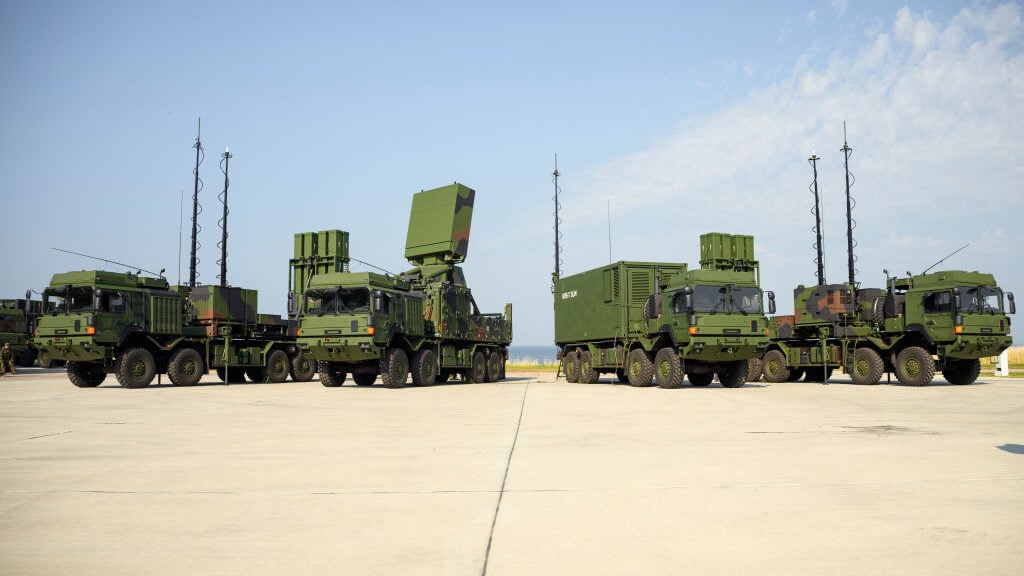
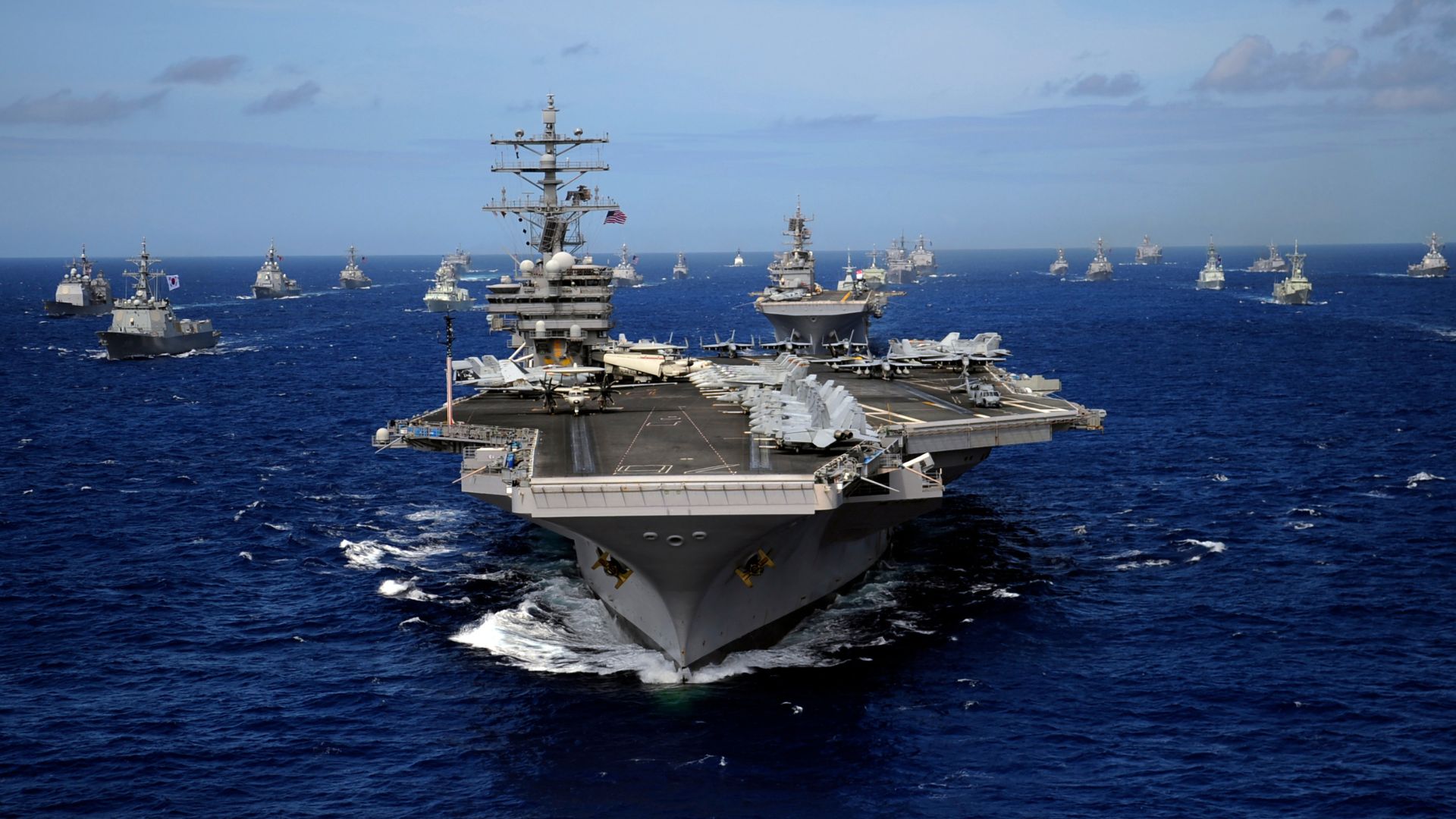
Israel reportedly intercepted close to 90% of roughly 650 medium-range ballistic missiles launched its way, relying on a layered structure that includes Arrow-3 for exo-atmospheric intercepts, Arrow-2 for additional missile defense and David’s Sling for threats descending inside the atmosphere. U.S. systems reinforced that architecture, including THAAD batteries and Navy vessels armed with SM-3 missiles.
The result, as described in the source text, was a relatively low civilian death toll despite the scale of the attacks. That outcome matters because it reinforces the practical value of multi-layer defense when a country faces repeated salvos rather than isolated strikes.

Different regions, different threat profiles
The conflict also underlines that regional missile defense is not a one-size-fits-all problem. Israel’s challenge centered heavily on medium-range ballistic missiles. The Gulf states, by contrast, faced large numbers of shorter-range missiles and one-way attack drones. The source report cites at least 1,372 missile attacks and more than 4,415 drone attacks against Gulf states in the first month alone, with the United Arab Emirates taking the heaviest pressure.
That distinction matters for procurement and posture. Systems optimized for one threat axis may be less efficient or less economical against another, which means force planners cannot simply replicate one defensive stack everywhere and expect equivalent outcomes.
The stockpile problem may be the bigger warning
The most consequential lesson may be about inventory economics. The reported assessment suggests defending Israel consumed a larger fraction of available U.S. interceptor missiles than Iran used of its medium-range ballistic missile stocks. If accurate, that imbalance points to a structural problem in missile defense: the side stopping attacks can burn through scarce and costly interceptors faster than the attacker depletes its offensive arsenal.
That does not mean defense failed. It means success may be difficult to sustain over time without deep magazines, strong resupply capacity and production systems that can keep up with prolonged conflict.
Iran may also have learned from the exchange
The campaign appears to have provided Iran with feedback as well. Even when most incoming weapons are intercepted, repeated launches can reveal timing windows, geographic seams or areas where defenders must choose between targets. The source text notes that Iran may have exploited some weaknesses, though without claiming a wholesale collapse of defenses.
That is a crucial point for future conflicts. Modern missile warfare is as much about forcing defensive expenditure and adaptation as it is about landing direct hits. A barrage can be strategically useful even when many projectiles fail to reach their targets.
What this means for future air and missile defense
The early lesson from this war is not that missile defense is futile. It is that effective defense depends on architecture, integration and industrial depth all at once. Interceptors, radars, naval systems and regional partnerships can blunt severe attacks. But if stockpiles are shallow or replenishment is slow, tactical success may still leave strategic risk.
That combination of high interception rates and rising inventory pressure is likely to shape force planning well beyond the current conflict. Countries studying the war will see proof that layered defense saves lives. They will also see that the next contest may be decided less by whether systems work than by whether defenders can keep using them at scale.
This article is based on reporting by Breaking Defense. Read the original article.

Originally published on breakingdefense.com