Investor appetite is rising, but regulation is getting in the way
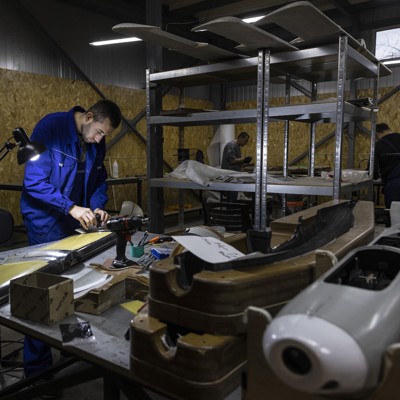
Ukrainian defense startups are attracting growing interest from American investors and from the Pentagon, particularly around drone technology and AI-enabled systems. But the same companies say U.S. export-control rules are slowing cooperation badly enough to threaten the pace of development that made them attractive in the first place.
Defense One reports that Ukrainian firms have been drawing private capital and official attention with systems shaped by wartime urgency and rapid iteration. That creates a compelling story for U.S. backers: companies that have developed relevant technology under extreme operational pressure and can bring real battlefield-tested experience into Western defense markets.
Drones are at the center of the interest
The source points to several examples that explain the sudden attention. Swarmer, which develops AI software for controlling multiple drones simultaneously, reportedly saw its shares rise 700 percent on its first day of trading. A joint effort between Ukraine’s SkyFall and the UK’s SkyCutter won the initial competition in the Pentagon’s Drone Dominance series. Other Ukrainian drone companies also placed on the leaderboard.
The Pentagon’s interest appears substantial. Defense One says the Drone Dominance effort would expand to $54 billion under the White House’s 2027 budget plan. Undersecretary of Defense for Research and Engineering Emil Michael said the department was excited about companies that had developed major expertise and might be willing to operate in the United States, particularly given U.S. concerns about controlling supply chains.
The bottleneck is export control
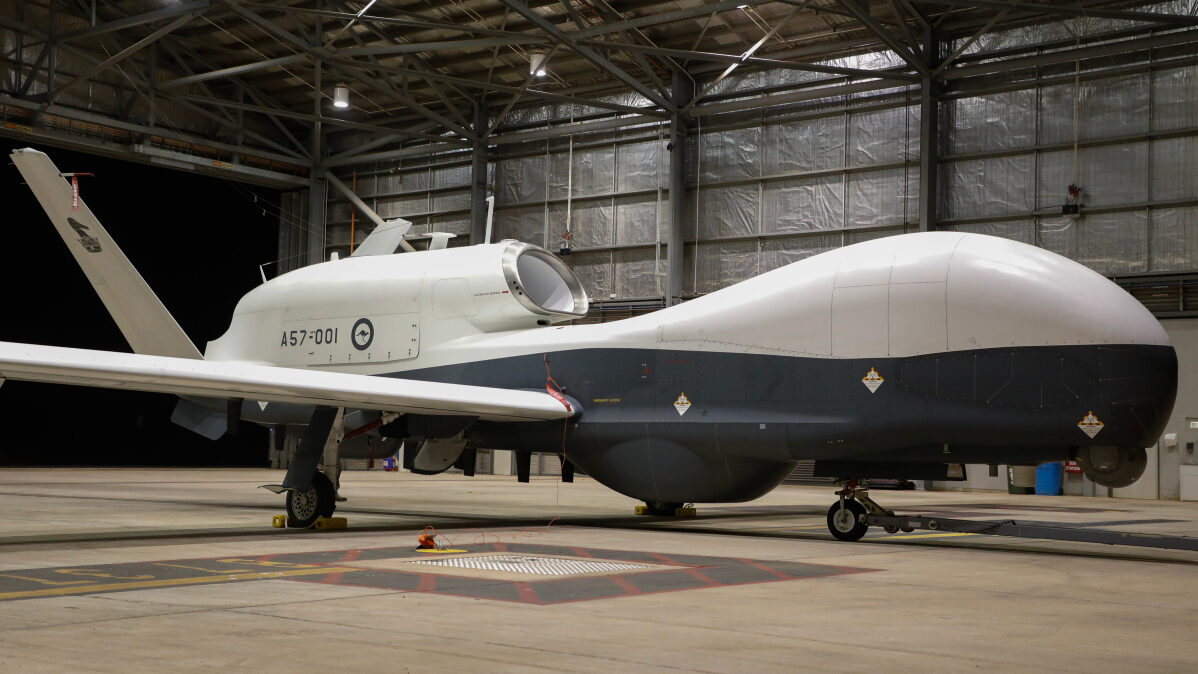
Yet the same story makes clear that legal and regulatory frictions are colliding with the operational tempo these firms are used to. Airlogix, which has a joint venture with U.S.-German company Auterion to develop and build drones in the United States, said licensing delays are a serious obstacle. The company has found that it can take four months to obtain permission to send U.S.-developed technology to Ukraine, even when that work is based on knowledge from the Ukrainian battlefield.
That timeline is not just inconvenient. It clashes directly with the pace of frontline adaptation. Airlogix CTO Mykola Mazur summarized the gap bluntly, saying the company iterates in weeks, not months. In a drone war shaped by rapid feedback and constant redesign, a four-month licensing cycle can turn regulatory compliance into a competitive handicap.
A strategic contradiction for Washington
The situation exposes a basic contradiction in U.S. defense technology policy. On one hand, American officials and investors want closer access to Ukrainian innovation, especially in drones and autonomous systems. On the other, export rules designed for security and oversight can prevent that collaboration from moving at the speed demanded by the technology itself.
That tension matters because the attraction of Ukrainian defense startups lies partly in how fast they learn and adapt. If the U.S. system cannot accommodate that tempo, it risks absorbing only a slower, less relevant version of the innovation it wants to cultivate. It could also discourage founders from prioritizing U.S. partnerships if other markets or structures allow faster iteration.
Calls for a different policy framework
The source notes that some observers think the answer may require special status or a tailored policy pathway. John Hardie of the Foundation for Defense of Democracies suggested that Ukraine might need treatment analogous to other strategically significant U.S. partners. The implication is that standard export procedures may not fit the reality of an active war-driven innovation ecosystem.
- Ukrainian defense startups are attracting U.S. private investment and Pentagon attention.
- Drone and AI-related companies are central to the interest.
- Companies say U.S. export-control delays can take months and undermine rapid iteration.
The broader issue is no longer whether Ukraine has developed technologies that the United States wants to study or back. That part appears increasingly clear. The harder question is whether U.S. law and procurement structures can work fast enough to turn wartime innovation into sustained cross-border industrial cooperation.
This article is based on reporting by Defense One. Read the original article.
Originally published on defenseone.com