A new case for faster European defense independence
A group of prominent German defense investors, analysts and industry figures argues that Europe can move much closer to military autonomy without waiting decades. In a paper published by the Kiel Institute for the World Economy, the authors say a high degree of European independence in defense and security is within reach if governments invest around €50 billion a year over the next decade.
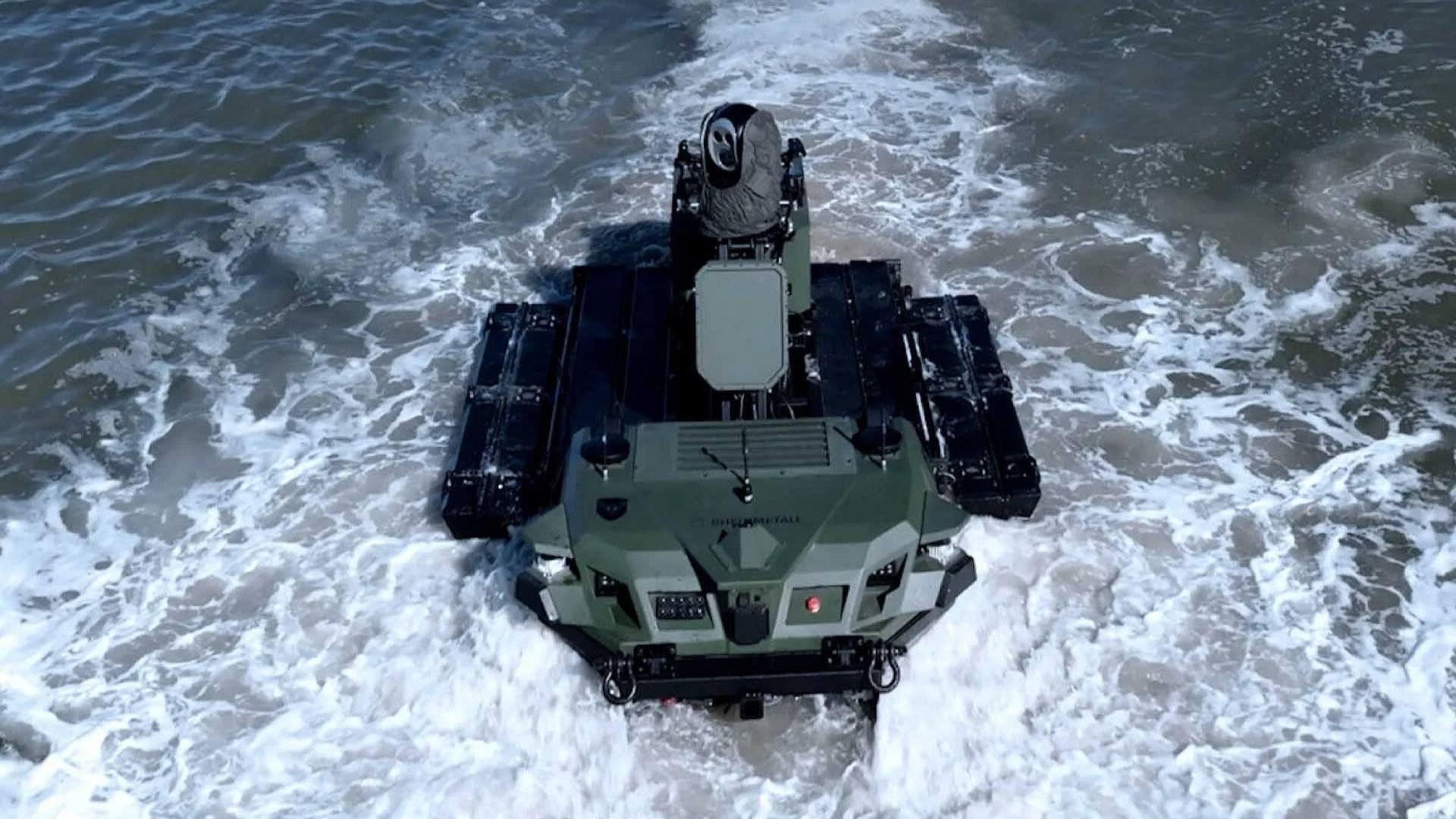
The paper, dubbed Sparta 2.0, identifies ten central capability gaps that Europe would need to fill to be able to act more autonomously without U.S. military assistance. Among the areas cited are command and control, autonomous systems and deep strike. According to the authors, substantially greater independent capacity could be built within three to five years, while far-reaching autonomy could be achieved within five to 10 years if it becomes a clear political priority.
The scale of the proposal
The figures in the paper are large, but they are framed as manageable relative to Europe’s broader defense plans. The authors estimate that reaching defense autonomy would require about €150 billion to €200 billion by 2030 and roughly €500 billion over the next decade. They argue that this level of spending corresponds to about 10% of total European defense expenditure and around 0.25% of GDP over that period.
That framing is politically important. Rather than calling for an entirely new spending architecture, the paper suggests that currently planned increases in defense budgets could finance a substantial portion of the effort if resources are directed toward the right gaps. In other words, the argument is not only that autonomy is strategically necessary, but that it is financially achievable.
The central strategic claim
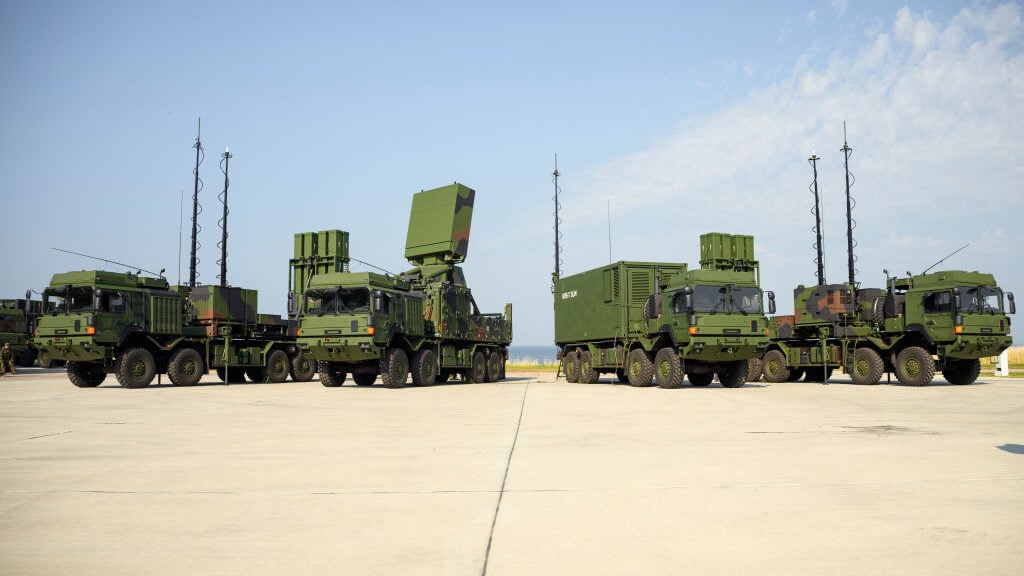
The paper’s core contention is that Europe remains deeply dependent on the United States across the military effect chain. The authors say that dependence runs from satellite-based reconnaissance to battlefield fire control. In their view, simply spending more in general will not fix that problem unless governments deliberately target the missing enablers that allow European forces to operate independently at scale.
That distinction matters. Defense budgets can grow while autonomy barely improves if money flows into force structures or procurements that still rely on American intelligence, command systems or strike support. The authors are therefore making a more demanding case than a generic call for higher spending. They are arguing for a coordinated European industrial and military buildout focused on sovereignty in capability, not just volume.
Who is making the argument
The paper was signed by former Airbus chief executive Thomas Enders; General Catalyst executive Jeannette zu Fürstenberg; Kiel Institute president Moritz Schularick; Airbus chairman and former Deutsche Telekom chief René Obermann; and security analyst Nico Lange. That mix of voices is notable because it combines defense, industry, investment and policy perspectives rather than approaching the issue from a single institutional lane.
Enders summarized the urgency directly, saying a high degree of European independence can be achieved within a few years and financed through planned budget increases. The paper also invokes Ukraine as evidence that major shifts in capability and production urgency do not necessarily require decades if governments act with enough concentration and political will.
A ‘Manhattan Project’ framing
One of the paper’s more striking formulations is its call for Europe to treat the challenge as a kind of strategic “Manhattan Project.” The comparison signals the authors’ belief that Europe’s defense gap is not a routine procurement issue. In their view, it is a system-level political and industrial problem that requires prioritization across governments, companies and institutions.
That framing also reflects the scale of the coordination challenge. Many of Europe’s defense weaknesses are not only technical but structural: fragmented procurement, duplicated national efforts and slow decision-making. A serious autonomy push would therefore require not just budget commitments but a willingness to align priorities across countries that often protect national industrial interests.
Why the debate matters now
The paper lands in a period when Europe is reassessing security assumptions more broadly. Questions about long-term U.S. commitment, the lessons of the war in Ukraine and the demands of modern high-intensity conflict have all sharpened the debate over whether Europe can defend its interests with greater independence.
Sparta 2.0 does not claim autonomy would be easy. The authors acknowledge uncertainty in their cost estimates, saying deviations of 20% to 30% should be expected. But their larger message is clear: the barrier is no longer just money, and perhaps not even time. It is political prioritization.
If that judgment proves persuasive, the significance of the paper may be less about the exact number attached to autonomy and more about the strategic standard it sets. Europe, the authors are saying, no longer needs to treat dependence as inevitable. It can choose to close the gap, and it can do so on a timescale measured in years rather than generations.
This article is based on reporting by Defense News. Read the original article.
Originally published on defensenews.com