The Air Force is moving from discussion to definition
The U.S. Air Force has formally signed off on requirements for a future aircraft intended to replace the General Atomics MQ-9A Reaper, a platform that has been a fixture of American unmanned operations since 2007. The decision marks an important step in a long-running debate over what kind of remotely piloted aircraft can survive, scale and stay affordable in more contested battlespaces.
Maj. Gen. Christopher Niemi told lawmakers that he approved the requirements on May 12, 2026. In his description, the replacement is expected to emphasize open architectures, easier mass production and a much higher tolerance for attrition than the current Reaper fleet. That is a notable change in design philosophy. Instead of optimizing for a relatively exquisite aircraft with costly sensor packages, the Air Force is now framing the future system around modularity and lower unit cost.
Why the Reaper model is under pressure
The MQ-9 remains useful in current operations, including in the Middle East, but Air Force officials made clear that the aircraft’s cost and survivability are central concerns. Niemi said a Reaper can cost as much as $50 million depending on its sensor configuration. By stripping away some mission packages for operations in more dangerous airspace, the service believes it may be able to field a lower-cost aircraft better suited to high-threat conditions.
That approach reflects a broader military lesson from recent conflicts. The Reaper built its reputation in intelligence, surveillance, reconnaissance and strike missions during the Global War on Terror, particularly in the Middle East and Southwest Asia. But questions about how well it can survive against sophisticated air defenses have grown louder. The article notes that the platform’s survivability came under scrutiny during discussions about possible use in Ukraine, and that multiple Reapers have reportedly been lost in recent combat-related missions over Yemen and Iran.

The industrial base is showing interest
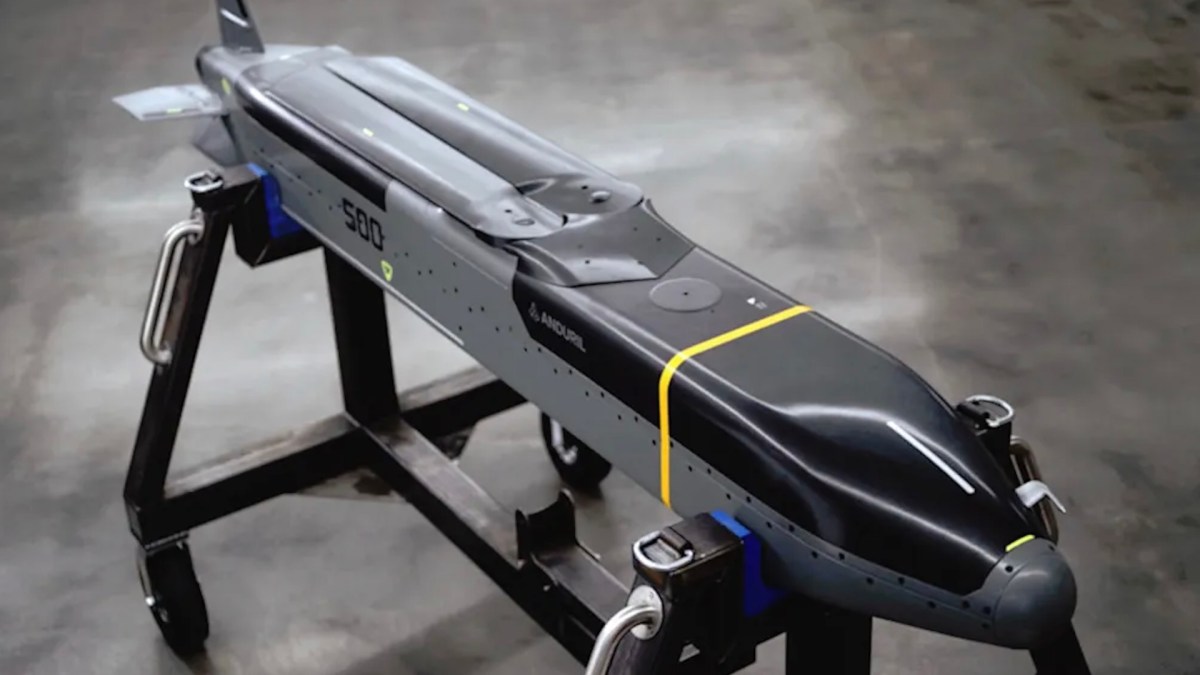
The Air Force’s near-term market test appears to have drawn substantial attention. Lt. Gen. Luke Cropsey said that more than 50 vendors responded to a recently released request for information focused on an attritable intelligence, surveillance and reconnaissance drone. That response suggests the Pentagon expects significant competition from a wider set of defense and nontraditional suppliers.
The service’s interest in an attritable ISR platform also fits a larger procurement trend: shifting from smaller numbers of highly expensive systems toward larger numbers of more adaptable, replaceable ones. If that approach holds, the next-generation aircraft could become both an operational tool and a test case for how the Air Force buys autonomous systems in the future.
A transition, not an overnight replacement
The Reaper is not disappearing immediately. Officials also said the service is looking in the near term to replenish combat losses. That means the Air Force is managing two timelines at once: sustaining today’s fleet for ongoing missions while defining what the next chapter of medium-altitude unmanned aviation should look like.
The decision to finalize requirements does not answer all the major questions yet. It does not identify a winning design, program timeline or production strategy. But it does show that the Air Force has moved beyond abstract discussion and is now setting a concrete framework for industry proposals.
For the broader defense sector, the message is straightforward. The Air Force wants a drone that can be built faster, fielded more cheaply and adapted more easily for modern warfare. For companies chasing that requirement, the next phase will be proving they can translate interest into credible production-ready concepts.
This article is based on reporting by Breaking Defense. Read the original article.
Originally published on breakingdefense.com