Spirits Over Iran
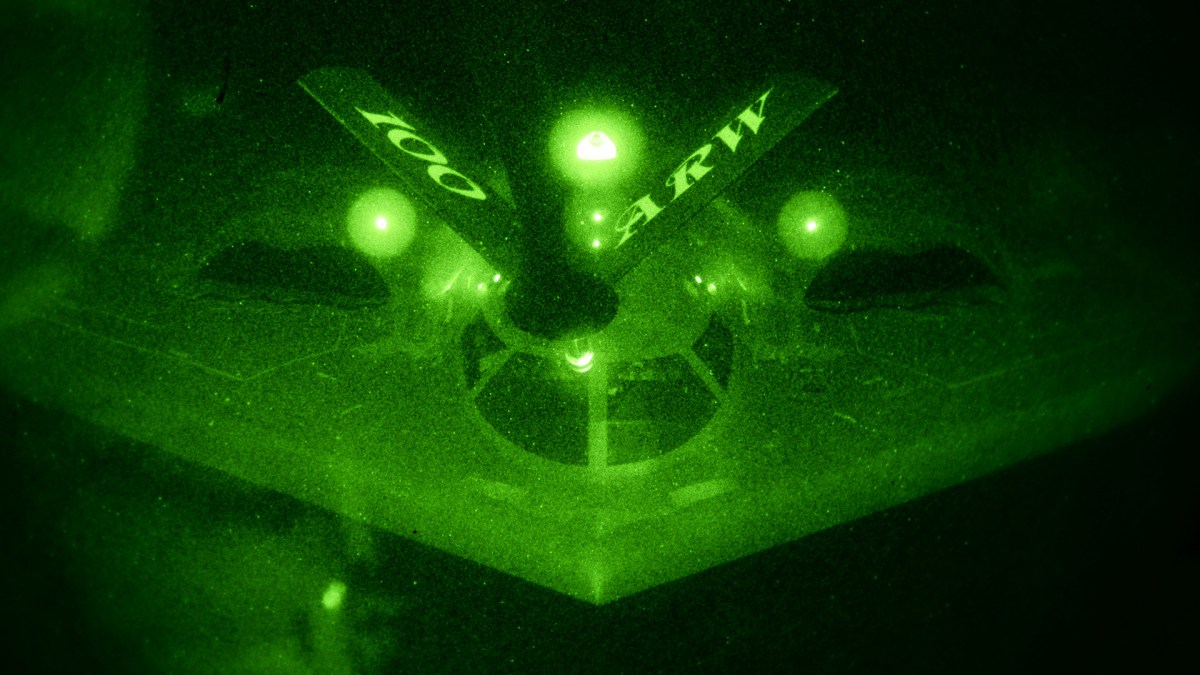
B-2 Spirit stealth bombers have joined the expanding air campaign against Iran, striking underground missile cave complexes buried deep within mountain ranges. The aircraft flew intercontinental missions from Whiteman Air Force Base in Missouri, arriving over Iranian airspace in the early morning hours to deliver precision-guided bunker-busting munitions.
The deployment of America's most advanced bomber underscores the escalating intensity of Operation Epic Fury and the unique challenge posed by Iran's extensive network of subterranean military infrastructure. No other aircraft in the U.S. arsenal combines the stealth characteristics, payload capacity, and range needed to penetrate defended airspace and strike hardened underground targets.
Targeting the Underground Arsenal
Iran has spent decades building a formidable network of underground missile facilities carved into mountainsides across the country. These complexes are engineered to survive conventional airstrikes, featuring multiple sealed chambers, reinforced tunnel systems, and — in some cases — ceiling apertures that allow ballistic missiles to be launched without ever leaving the facility.
By targeting these sites directly, U.S. forces aimed to neutralize entire stockpiles of missiles and their associated launchers in single strikes. The strategic logic is straightforward: destroying missiles in their storage facilities is far more efficient than attempting to intercept them after launch, reducing the burden on missile defense systems that have finite interceptor stocks.
The Pentagon confirmed that B-2s employed 2,000-pound bunker buster bombs — specifically BLU-109 penetrator warheads fitted to GBU-31 Joint Direct Attack Munitions. Each B-2 can carry up to 16 of these weapons, allowing a single aircraft to deliver massive destructive force against multiple hardened targets in a single sortie.
Why Not the Bigger Bomb?
Notably, the Pentagon indicated that the larger 30,000-pound Massive Ordnance Penetrator — the GBU-57, designed specifically for the deepest underground targets — was not employed in these initial strikes. The decision to use the smaller but still formidable 2,000-pound penetrators suggests either that the targeted facilities were within reach of these weapons or that the MOPs are being held in reserve for harder targets.
Military planners can tailor their weapons mix to specific target characteristics. A cave entrance may require a different approach than a deeply buried command bunker. The flexibility to carry 16 smaller penetrators rather than two massive ones gives B-2 crews options that match the target set they encounter.
Stealth Remains Essential
Despite the degradation of Iranian air defenses during the opening phases of the operation, the B-2's stealth characteristics remained critical for these missions. Iran's integrated air defense network, while battered, still posed threats — particularly the deeper layers of point defense around high-value military sites.
The B-2's ability to operate undetected allows it to approach targets without the extensive suppression packages that conventional bombers require. This is especially valuable for strikes against facilities that Iran has specifically designed to survive aerial attack, where the element of surprise can mean the difference between a direct hit on a tunnel entrance and a near-miss that leaves the facility functional.
The Long Reach from Missouri
The intercontinental flight profile from Whiteman Air Force Base reflects operational constraints as much as capability. The United Kingdom initially restricted American use of RAF Fairford and the Diego Garcia base in the Indian Ocean, forcing B-2 operations to stage directly from the continental United States.
These marathon missions — requiring multiple aerial refuelings and crew endurance measured in tens of hours — demonstrate both the B-2's extraordinary range and the logistical infrastructure needed to sustain such operations. While the restriction on forward basing was later revised, the initial sorties from Missouri proved that the B-2 force can deliver effects anywhere on the globe regardless of basing access.
Assessing the Damage
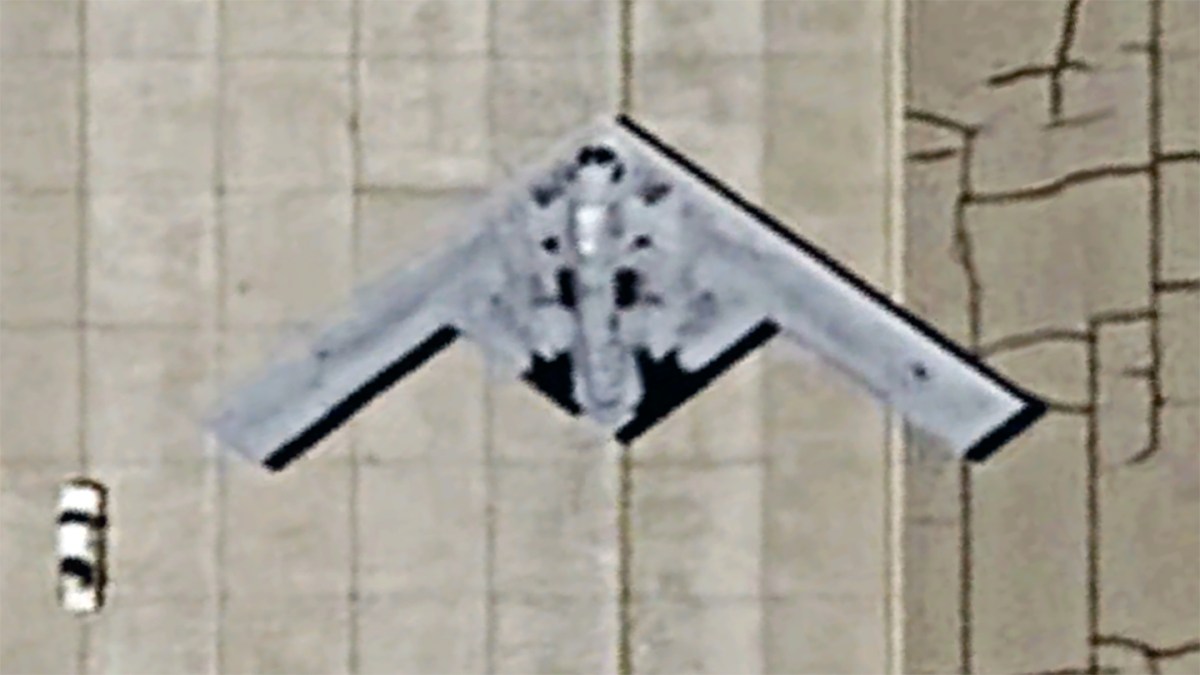
Commercial satellite imagery captured in the days following the strikes documented collapsed tunnel entrances and surface damage consistent with penetrating munitions at multiple targeted facilities. While the full extent of underground destruction is difficult to assess from orbit, the visible surface effects suggest significant damage to the access infrastructure that makes these facilities operational.
The B-2 strikes represent a deliberate escalation in target selection, moving beyond the air defense suppression and military infrastructure strikes of the campaign's opening days to target the strategic missile capabilities that represent Iran's most potent conventional deterrent.
This article is based on reporting by twz.com. Read the original article.
Originally published on twz.com