A Land-Based Interceptor Heads To Sea
The U.S. Navy has awarded Lockheed Martin a contract to integrate the Patriot PAC-3 Missile Segment Enhancement surface-to-air missile with the Aegis Combat System, according to reporting from The War Zone. The move would bring a well-established land-based interceptor into the Navy’s shipboard air and missile defense architecture.
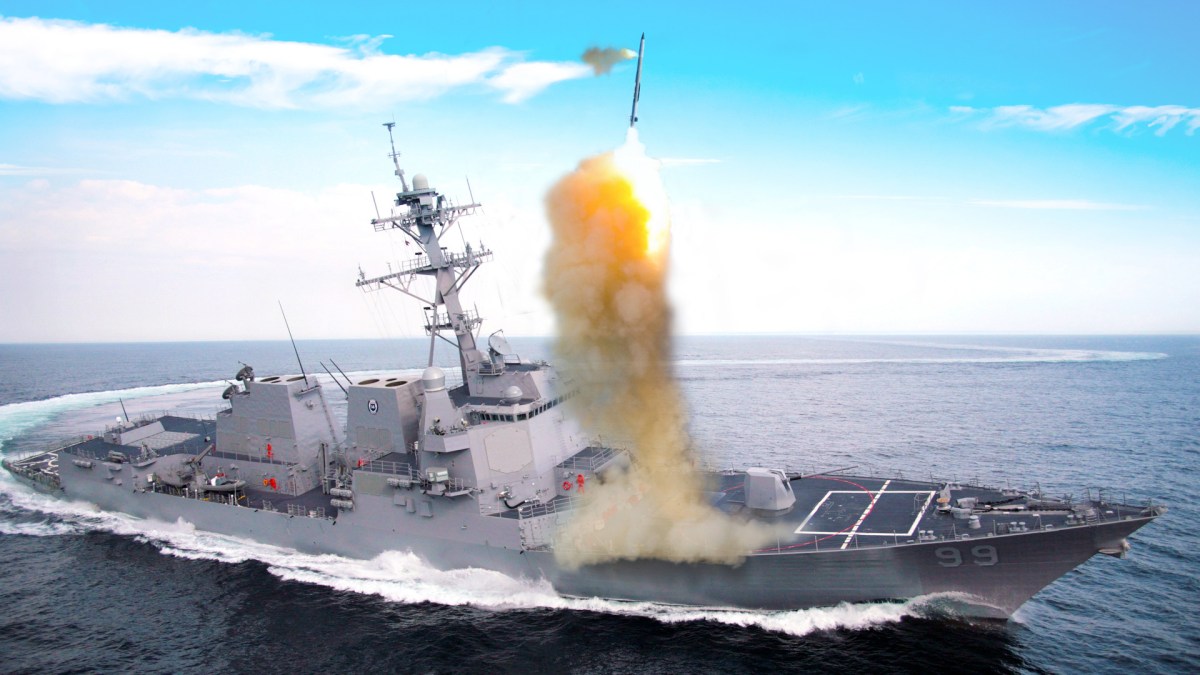
The Navy’s principal Aegis ships are Arleigh Burke class destroyers, which make up the bulk of the service’s Aegis-equipped fleet. A smaller and shrinking number of Ticonderoga class cruisers also use the combat system. The integration effort is tied to the Navy’s broader interest in expanding the interceptor options available to ships equipped with Aegis and the Mk 41 Vertical Launch System.
Budget Request Points To A Large First Buy
The service is also seeking just over $1.73 billion in its proposed fiscal year 2027 budget to buy its first Navy tranche of PAC-3 MSE missiles. The request covers 405 interceptors, according to the budget details cited by The War Zone.
Lockheed Martin announced the Aegis integration contract around the Navy League’s Sea Air Space exposition. The company described the award as a multimillion-dollar deal. The War Zone reported that the concept of pairing PAC-3 MSE with Aegis and the Mk 41 launcher first surfaced publicly in 2023, though a Lockheed Martin executive said the work had been developing for close to a decade.
Why The Navy Wants Another Interceptor
In the Navy’s fiscal 2027 budget language, PAC-3 MSE integration with Aegis would provide another way to intercept a wide range of threats. Those include tactical ballistic missiles, air-breathing threats, cruise missiles, and unmanned aerial systems.
That threat set reflects the increasingly crowded missile and drone environment naval forces expect to face. Shipboard magazines have finite space, and modern air defense requires interceptors suited to different targets, ranges, and engagement profiles. Adding PAC-3 MSE could give Aegis ships an additional supply path and another option alongside existing Standard Missile families.
PAC-3 MSE has been in full-scale production since 2018. Its move toward shipboard integration suggests the Navy is looking beyond traditional maritime-only missile inventories as demand for air and missile defense grows. If the integration succeeds, Arleigh Burke destroyers could gain access to a high-demand interceptor already produced for the Army and allied Patriot operators.
A Shift In Fleet Defense Architecture
The planned integration does not by itself replace existing Navy interceptors. It does, however, signal a meaningful shift: the Navy is preparing to adapt a major land-based missile defense weapon for sea-based launch and control through Aegis.
That could matter operationally and industrially. Operationally, it may broaden the defensive mix available to U.S. surface combatants. Industrially, it may let the Navy draw from an established production line at a time when interceptor demand is high across multiple services and allies.
This article is based on reporting by twz.com. Read the original article.

Originally published on twz.com