A historic spending proposal with clear technology priorities
The Pentagon has unveiled what Defense News describes as a $1.5 trillion budget proposal for fiscal 2027, a 42% year-over-year increase and the largest military budget request in modern history. The size of the request is itself significant, but the distribution of the money may be even more revealing. According to Pentagon officials cited in the report, the plan centers on missile defense, drones, artificial intelligence, data infrastructure and the defense industrial base.
The budget proposal was presented by Jules J. Hurst III, identified in the report as under secretary of war and chief financial officer. He described the request as a “generational investment” at a time when U.S. adversaries are advancing across air, land, sea, space and cyberspace while the industrial base has been strained by years of underinvestment.
Golden Dome, drones and AI move to the front
The proposal elevates the administration’s “Golden Dome,” described in the report as a multi-layered homeland defense shield, into one of the most visible funding priorities. It also places heavy emphasis on drone warfare and the supporting systems needed to operate in contested environments.
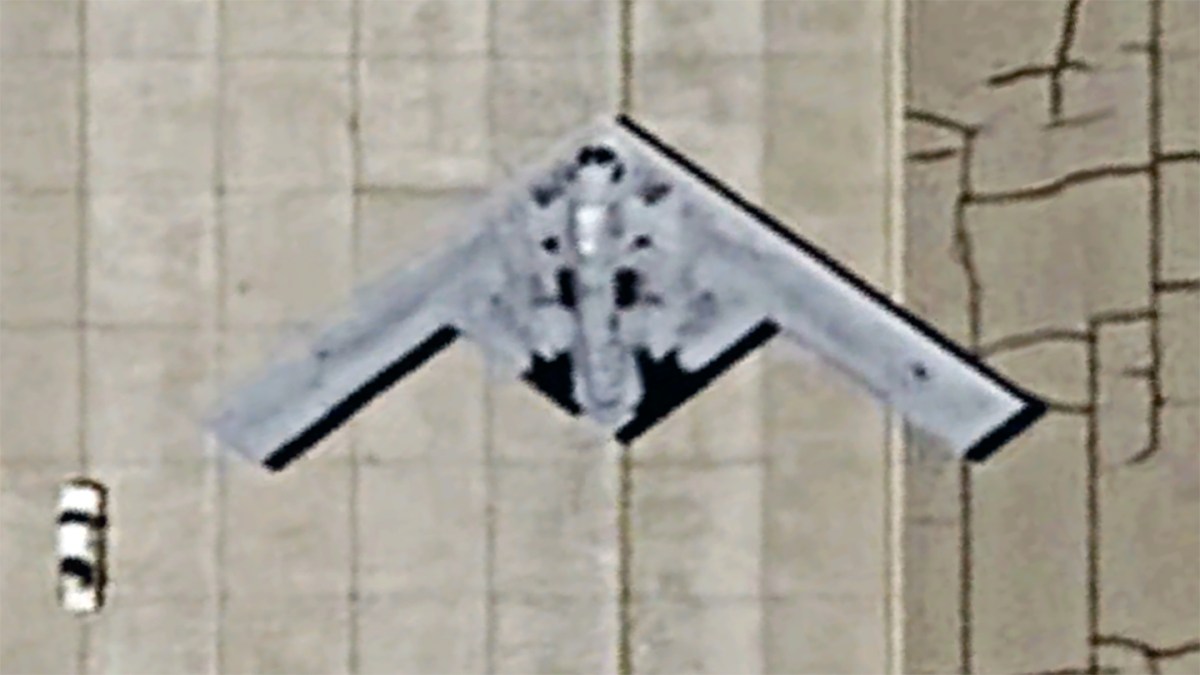
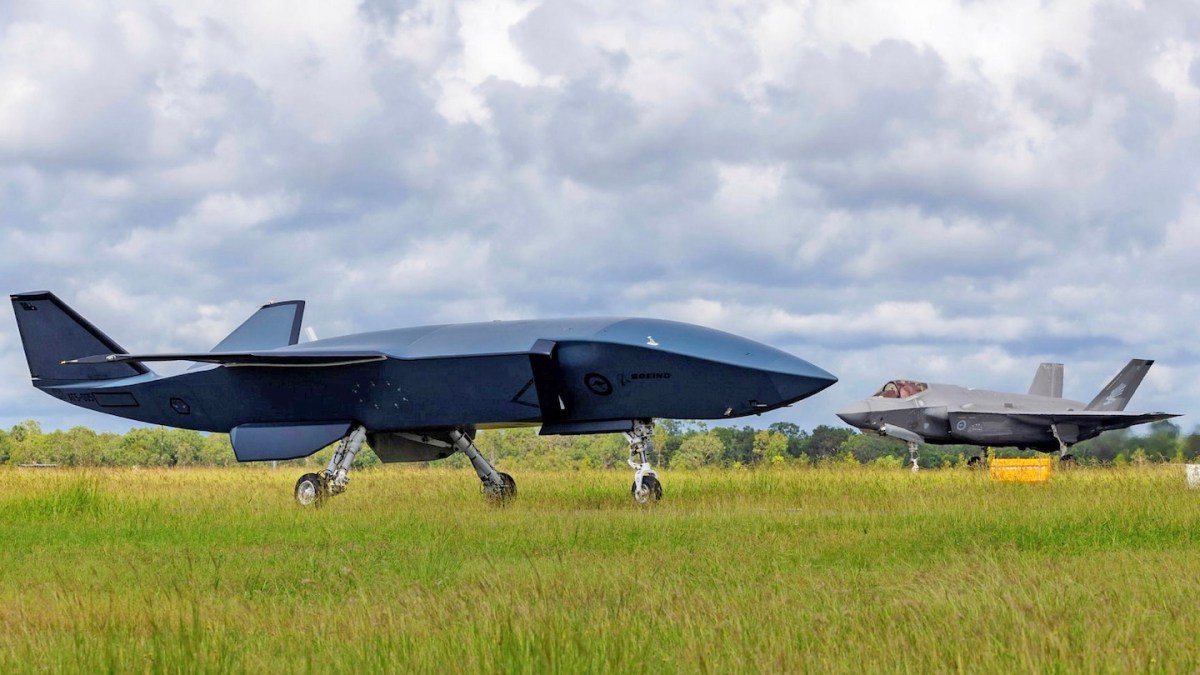
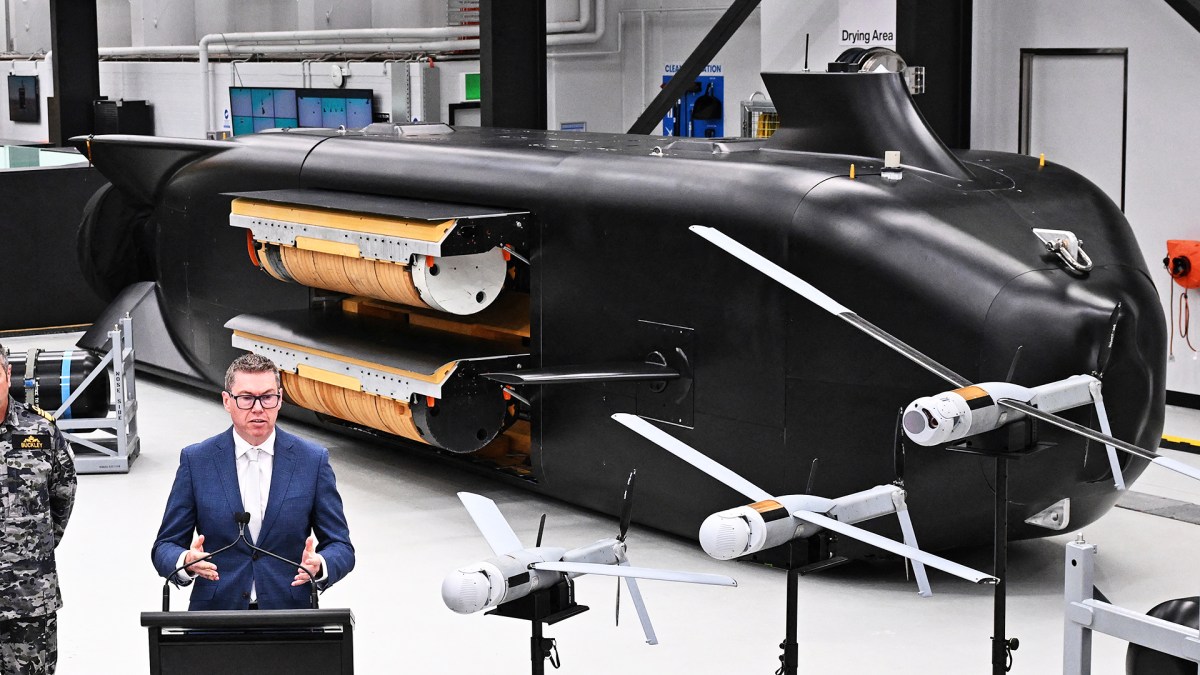
According to the reported figures, $53.6 billion would go to autonomous drone platforms and contested logistics. Another $21 billion would be dedicated to munitions, counter-drone technology and advanced systems including Collaborative Combat Aircraft and the MQ-25. The package would also direct $64.5 billion to next-generation munitions such as missiles, armored vehicles and helicopters, including programs like Patriot and THAAD interceptors, Precision Strike Missiles and the Armored Multi-Purpose Vehicle.
Taken together, those line items make the Pentagon’s priorities unusually explicit. The department is not just buying more of the same force. It is putting substantial money behind autonomous systems, layered air and missile defense, and the industrial capacity needed to sustain them.
The Navy’s central place in the request
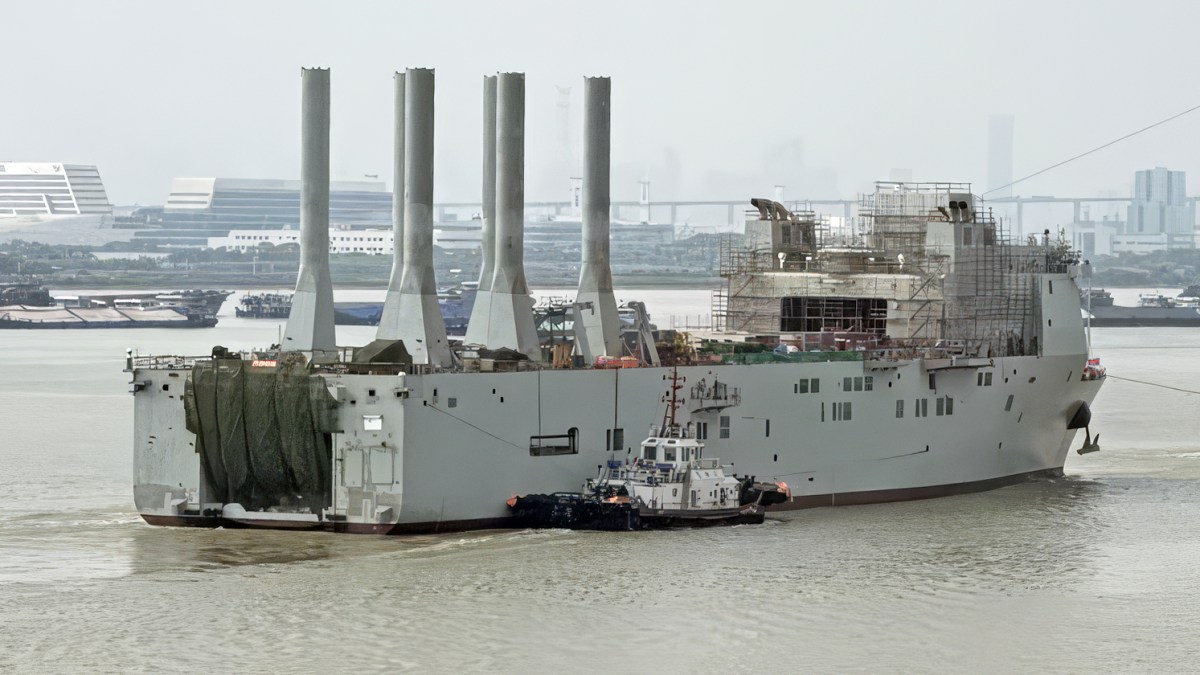
The Navy emerges as one of the clearest beneficiaries. The proposal includes more than $65 billion to procure 18 warships and 16 support ships, which officials said would amount to the largest shipbuilding request since 1962. That shipbuilding push is linked in the report to the president’s vision for a “Golden Fleet,” including a new line of Trump-class battleships as its centerpiece.
Even aside from the branding, the scale of the naval request signals a strategic conviction that maritime capacity needs to expand materially. Shipbuilding timelines are long, industrial bottlenecks are persistent and fleet growth cannot be improvised during a crisis. A large request now is therefore both a procurement action and a statement about how the Pentagon views future deterrence and conflict.
Every service gets more
The proposal would sharply raise funding across all the military branches. The report says appropriations would increase by 33.6% for the Air Force, 24.3% for the Navy and 23.9% for the Army. It also includes pay raises for service members ranging from 5% to 7% depending on rank.
Those increases suggest the administration is trying to combine a major modernization push with force-wide political signaling. New technology usually attracts attention, but personnel and branch-level top lines shape how a budget is received inside the services and on Capitol Hill. By spreading increases widely while highlighting future-oriented programs, the request attempts to do both institutional and strategic work at once.

The industrial logic behind the spending
One of the report’s most important themes is the industrial base. Massive spending on missiles, drones and ships only matters if the United States can actually produce at the necessary scale and pace. The Pentagon appears to be treating industrial depth as a warfighting issue rather than merely a procurement detail.
That is a rational shift. Recent conflicts and regional tensions have underscored how quickly inventories of expensive munitions can become stressed. They have also raised uncomfortable questions about the use of costly interceptors against much cheaper threats. Even so, the budget request doubles down on both quantity and sophistication, implying that the answer is not to retreat from advanced systems but to expand production and diversify operational options.
The politics and the pressure points ahead
A request this large will face immediate scrutiny over affordability, priorities and realism. The proposal must still move through the U.S. budget process, where headline numbers, program details and strategic assumptions will all be contested. Critics are likely to question whether the jump is sustainable and whether shipbuilding, missile defense and autonomous systems can absorb funding efficiently at that scale.
There will also be debate about whether the budget is optimized for the actual threat environment or skewed by political branding. Still, even critics will have to grapple with the fact that the proposal is coherent in one respect: it clearly identifies the technologies and capabilities the Pentagon believes will define the next phase of military competition.

A roadmap for the defense establishment’s priorities
The fiscal 2027 request reads as a map of what the Pentagon wants more of and sooner: more drones, more munitions, more missile defense, more ships, more AI-enabled infrastructure and more industrial capacity behind all of it. Whether Congress accepts the full scale of that agenda is another question. But the proposal itself is already a statement.
For the defense sector, the message is direct. Autonomous systems are no longer adjunct capabilities. AI and data infrastructure are no longer background enablers. Missile defense and shipbuilding are being framed as urgent strategic necessities. The Pentagon’s largest-ever request is therefore not just a spending plan. It is a declaration of where the department thinks future military advantage will come from.
This article is based on reporting by Defense News. Read the original article.
Originally published on defensenews.com