A long-duration industrial power deal in a strategic market
One of the clearest signs of how renewable energy is maturing is the length and scale of the contracts now being signed by major industrial buyers. Northland Power’s new agreement with Taiwan Semiconductor Manufacturing Company adds to that trend, tying a world-leading chipmaker even more closely to one of Taiwan’s largest offshore wind developments.
According to Energy Monitor, Northland has entered into a 30-year corporate power purchase agreement with TSMC for additional electricity from the 1.02 GW Hai Long offshore wind project in Taiwan. The deal deepens a relationship that began in 2022 and, once administrative steps are completed later in 2026, is expected to lead TSMC to purchase the full output of the entire project.
Why the Hai Long project matters
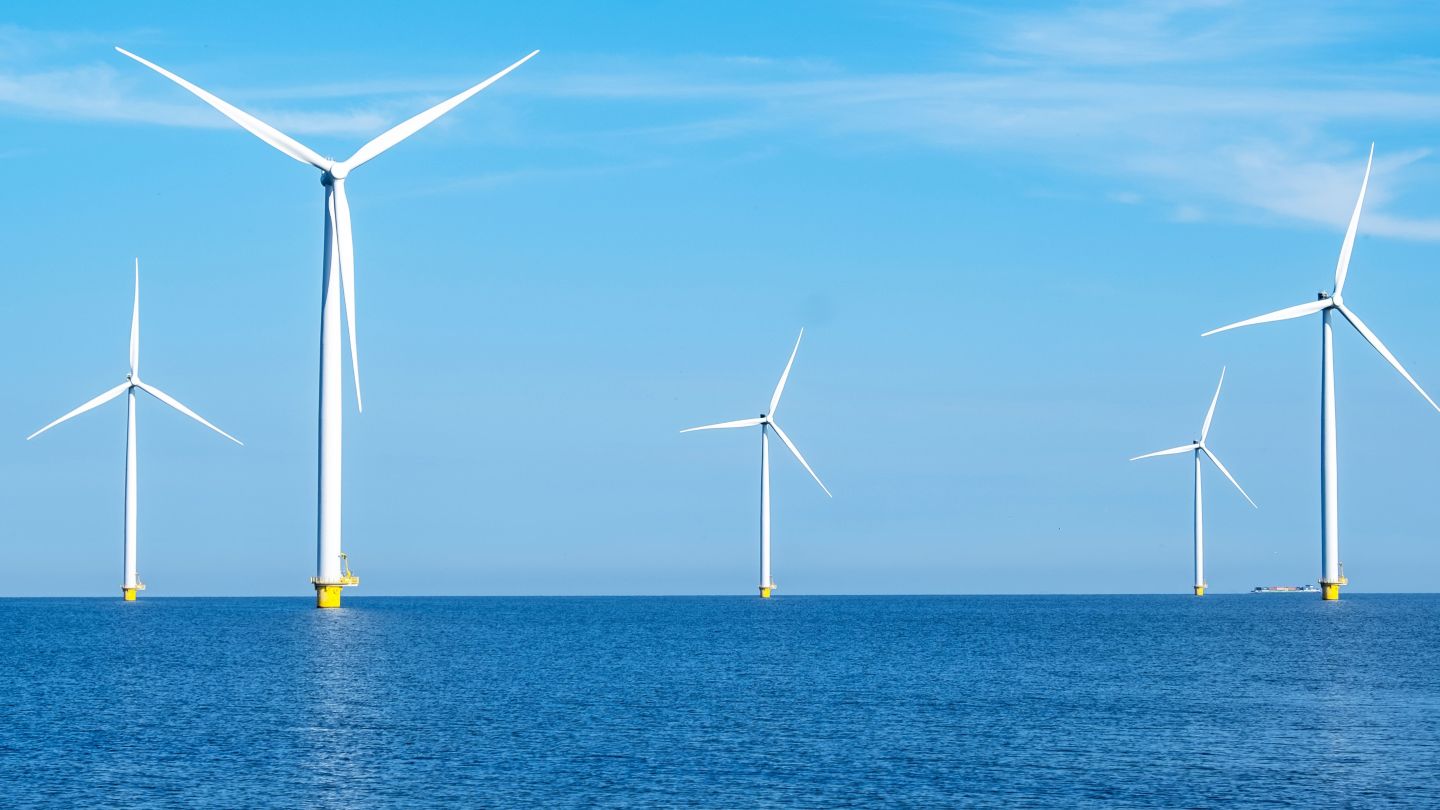
Hai Long is not a small or symbolic asset. The project is being developed through a joint venture between Northland Power, Mitsui, and Gentari International Renewables and sits roughly 45 to 70 kilometers off Changhua in the Taiwan Strait. It consists of three offshore wind sites: Hai Long 2A at 294 MW, Hai Long 2B at 224 MW, and Hai Long 3 at 504 MW.
That scale makes the agreement important both commercially and strategically. Taiwan is a key offshore wind market in Asia and a critical geography for global semiconductor manufacturing. A long-term contract linking those two sectors highlights how energy security and industrial policy are increasingly moving together.
What changes under the new agreement
The newly signed 30-year deal expands the existing relationship between the companies. The source text says TSMC already had contracts covering power from Hai Long 2B and Hai Long 3. Under the new arrangement, Hai Long 2A is expected to move into the revised corporate power purchase structure after the required administrative steps are completed later this year. At that point, TSMC would be buying the full output of the whole project.
For Northland, the attraction is straightforward: stronger project economics and a longer contracted revenue stream. For TSMC, the benefit is long-term access to additional electricity from a large offshore wind asset, supporting the power needs of an energy-intensive industrial operation.
The significance of a 30-year term
Thirty-year corporate power purchase agreements are notable because they go well beyond short-term sustainability signaling. They indicate a high level of confidence in both the underlying project and the buyer’s long-range planning horizon. In this case, the length of the agreement suggests a durable strategic link between renewable generation and semiconductor manufacturing.
That matters in an industry where stable electricity supply is essential. Semiconductor fabrication is exceptionally power intensive, and long-term clean-power contracts can help large manufacturers manage energy sourcing with more certainty. From the developer side, such agreements can materially improve financing confidence and projected returns.

Construction is already moving ahead
The contract news also comes during an active construction phase. The source text notes that the Hai Long project announced its first wind turbine installation at the Hai Long 3 wind farm in March 2026. That milestone marked the start of a pivotal stage in development, moving the project from planning and contracting deeper into visible physical execution.
That timing strengthens the importance of the deal. A long-duration buyer commitment attached to a project already advancing through installation is a stronger signal than a hypothetical future arrangement. It shows a major industrial customer locking in power from a project that is materially underway.
A wider trend in industrial decarbonization
The deal also reflects a larger shift in global energy markets. Corporate clean-power purchasing is no longer led only by technology companies seeking renewable credentials for data centers or offices. Heavy industrial players with strategic manufacturing roles are now signing substantial long-term agreements that can reshape project economics.
In TSMC’s case, the choice carries added symbolism. Semiconductor manufacturing sits near the center of modern industrial competition, and electricity sourcing is part of that competitive foundation. Securing offshore wind output over decades is therefore not only an emissions story but also an industrial resilience story.
An alliance between two strategic sectors
The Hai Long agreement shows how offshore wind and advanced manufacturing are becoming interdependent in markets that want both decarbonization and industrial strength. For Northland and its partners, the contract reinforces the project’s long-term value. For TSMC, it expands a renewable power pipeline tied to a critical manufacturing base.
As more large industrial buyers seek durable access to clean electricity, agreements like this may become a defining feature of the next phase of energy transition: not just building renewables, but embedding them directly into the operating logic of strategic industries.
This article is based on reporting by Energy Monitor. Read the original article.
Originally published on energymonitor.ai