Zambia is moving quickly to diversify a power system built around hydro
Zambia is pressing ahead with a rapid solar buildout after prolonged drought exposed a major weakness in its electricity system: a grid heavily dependent on hydropower can become vulnerable when rainfall fails. According to the supplied source text, the country has faced severe disruptions as low water levels reduced generation, contributing at the worst point to load shedding lasting up to 20 hours a day.
That experience appears to be reshaping the country’s power strategy. Rather than abandoning renewables, Zambia is broadening them. The government’s stated objective is to increase national generation capacity from 4.5 gigawatts to 10 gigawatts, with solar expected to play a central role. The shift reflects a practical response to climate-linked volatility: if hydro output can no longer be assumed to remain stable through prolonged dry periods, faster-to-deploy solar projects offer a way to restore reliability while preserving a low-carbon trajectory.
The change is significant because Zambia had previously been held up as an example of a grid powered largely by renewable energy, mostly hydro. That model worked until changing weather patterns and extended dry spells undermined the reliability of reservoir-backed generation. In effect, the country is now confronting a broader problem that may become more common elsewhere: clean power systems also need resilience, redundancy, and a broader mix of resources.
Why solar has become the fastest lever
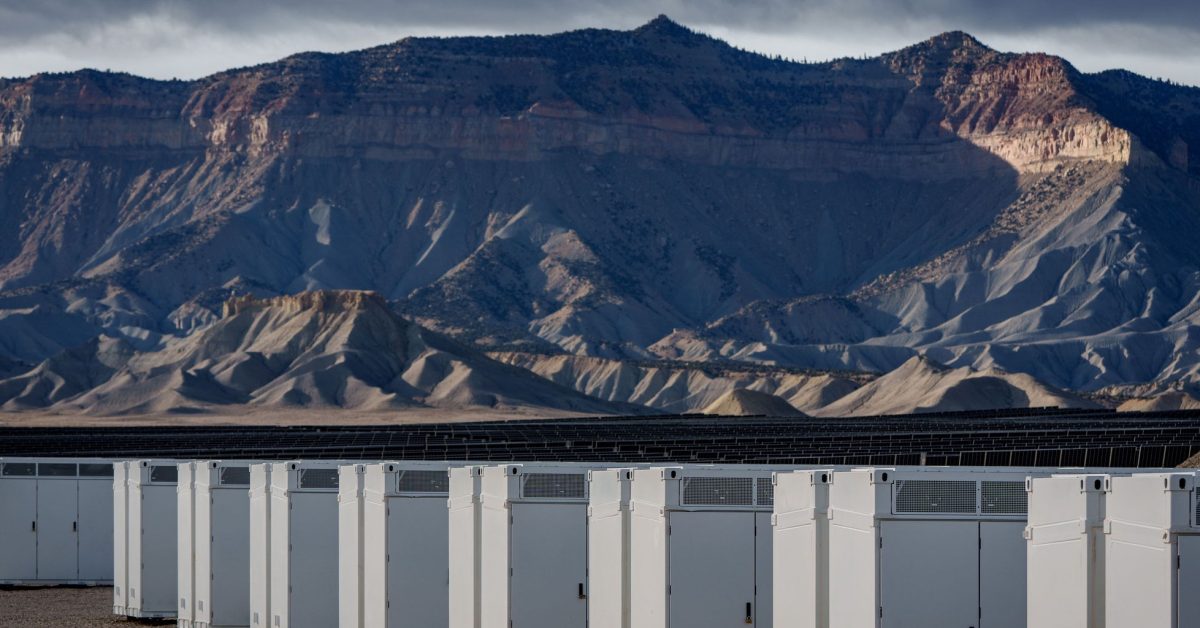
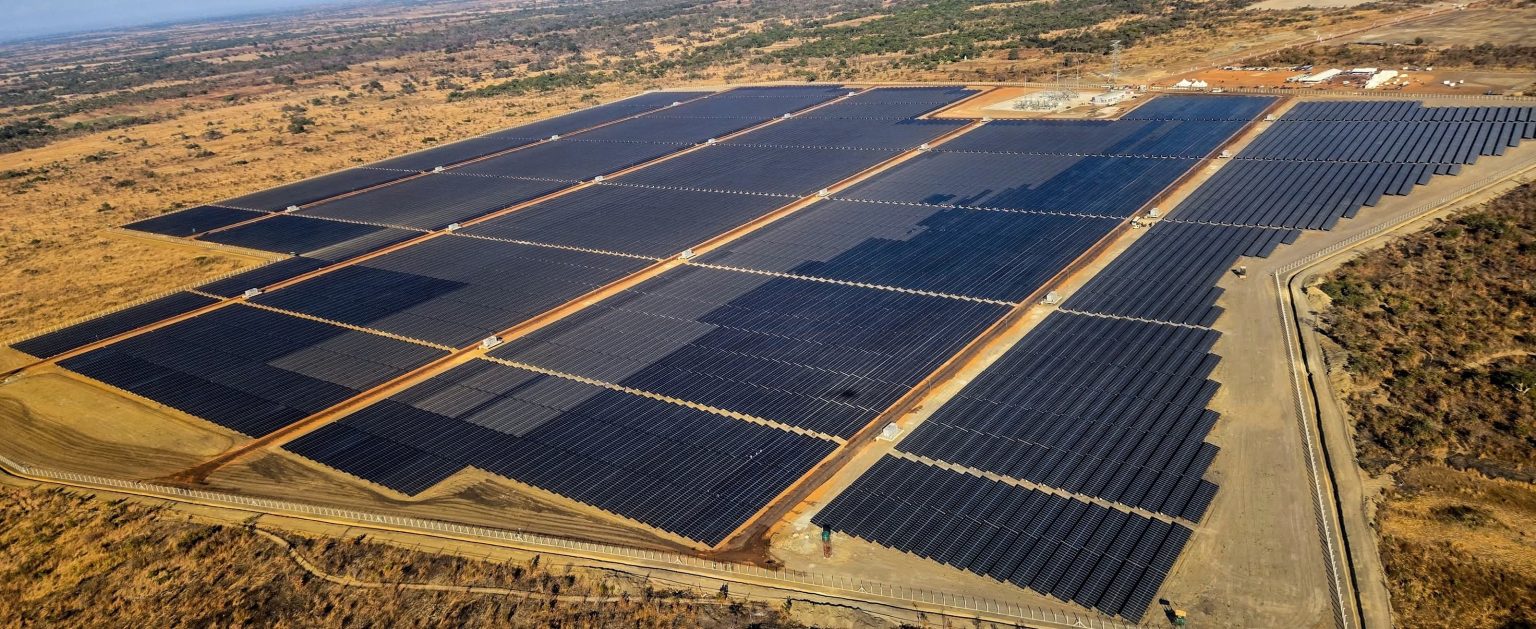
The supplied source text frames solar as the fastest route for Zambia to add meaningful new capacity. Over the past three years, the country, working with local and international partners, has delivered 500 megawatts of new utility-scale solar capacity. That is a material addition for a national grid of Zambia’s size, and it suggests the country has moved beyond pilot-scale deployment into accelerated buildout.
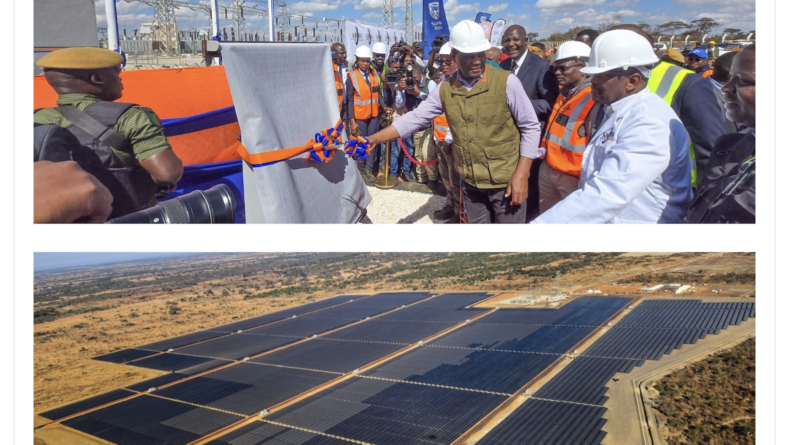
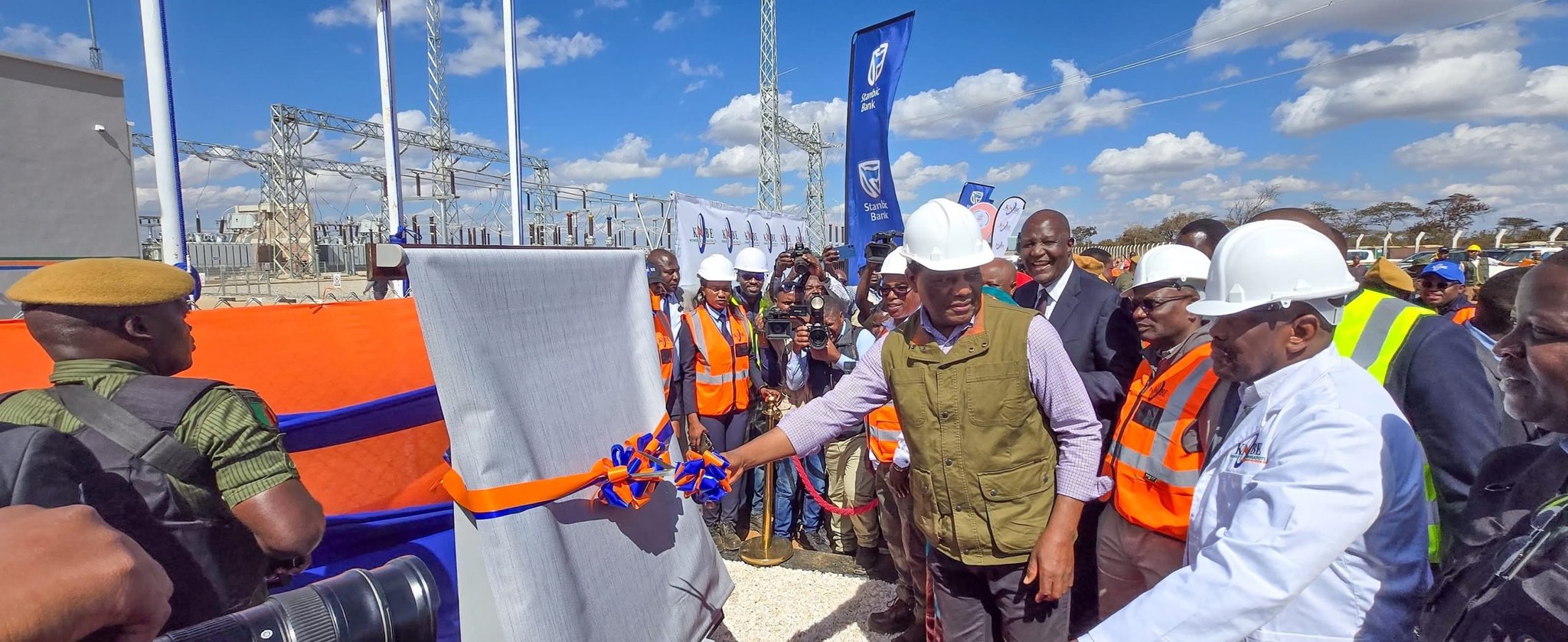
One of the cited examples is the Chisamba solar plant, which the source says was recently expanded to 200 megawatts. That project stands out not only for its size, but also for what it signals about execution. Expansions of existing plants can often move faster than entirely new developments because land, interconnection, and project structures are already partially in place. If Zambia can replicate that pattern, incremental additions may help it close supply gaps more quickly than conventional thermal projects or new large hydro.
The country’s near-term target is also clear. Zambia wants to reach 1,000 megawatts of solar generation capacity by the end of 2026, according to the supplied text. If achieved, that would mark a sharp increase in solar’s role in the national energy mix in a relatively short period. It would also help create a more balanced system in which hydro remains important but no longer carries as much single-resource risk.

From emergency response to industrial policy
The immediate motivation is straightforward: Zambia wants load shedding to become a thing of the past. But the buildout is being positioned as more than a stopgap. The source text says the government also wants new generation capacity to support economic growth and industrialization. That matters because electricity shortages do not just disrupt households; they constrain factories, mines, commercial activity, and investment planning.
Reliable power is especially important for a country trying to expand industrial output. Frequent outages raise operating costs, complicate production schedules, and make backup generation a hidden tax on growth. In that context, utility-scale solar is not merely an energy story. It is also an infrastructure and competitiveness story.
The article’s framing suggests that Zambia’s solar push is part of a broader attempt to make the grid more robust after a period when climate shocks turned a strategic strength into a vulnerability. A hydro-dominant system can deliver low-emissions electricity, but a drought-sensitive one can also become brittle. Solar helps address that brittleness by introducing a generation source not directly tied to reservoir levels.
That does not eliminate all system challenges. Solar output varies by time of day and weather, and major increases in penetration typically raise questions around storage, transmission, balancing, and dispatch. But none of those caveats diminish the practical value of quickly adding daytime generation to a system under stress. In a country dealing with acute shortages, every large block of added capacity can have outsized effects.
Public and private capital are both shaping the expansion
Another notable feature of the buildout is the role of partnerships. The source text says Zambia’s recent solar additions were delivered in collaboration with both local and international partners, and it also credits the private sector with playing a pivotal role in expanding generation capacity. That mix is often decisive in energy transitions, particularly in markets where state capacity alone may not be sufficient to finance and execute projects at the required speed.
Private-sector participation can help in several ways: mobilizing capital, shortening deployment timelines, bringing engineering and procurement expertise, and broadening the pipeline of developable projects. International participation can also improve access to equipment, project finance, and technical know-how. For Zambia, the combination appears to be producing tangible capacity additions rather than just policy announcements.
The pace matters. Energy plans are often judged by aspirational long-term targets, but Zambia’s recent progress is being described in delivered megawatts. That distinction is important because many countries announce renewable goals that take years to translate into operating assets. Here, the supplied text points to capacity already built in the past three years and to a specific end-2026 solar target.

What Zambia’s push could signal beyond its borders
Zambia’s response may resonate well beyond its own power market. The country’s experience shows that a renewable-heavy grid is not automatically resilient if it depends too heavily on one resource class. As climate patterns become more erratic, hydro-rich systems in particular may be pushed to diversify faster than previously expected.
In that sense, Zambia is not pivoting away from clean energy. It is adapting within it. The lesson is that energy transition planning has to account not only for carbon intensity, but also for climate exposure, speed of deployment, and system flexibility.
- Zambia’s grid has been heavily reliant on hydropower.
- Prolonged drought reduced water levels and generation capacity.
- The country has added 500 megawatts of utility-scale solar in three years.
- Its target is 1,000 megawatts of solar capacity by the end of 2026.
- The longer-term plan is to raise total generation capacity from 4.5 gigawatts to 10 gigawatts.
For now, the central development is concrete: Zambia is scaling solar quickly to stabilize a strained grid and support future growth. If it sustains that pace, the country could become a notable example of how climate-vulnerable power systems can respond with faster, more diversified renewable deployment rather than a return to fossil-heavy expansion.
This article is based on reporting by CleanTechnica. Read the original article.
Originally published on cleantechnica.com