Kia’s affordable EV plan is taking a different route
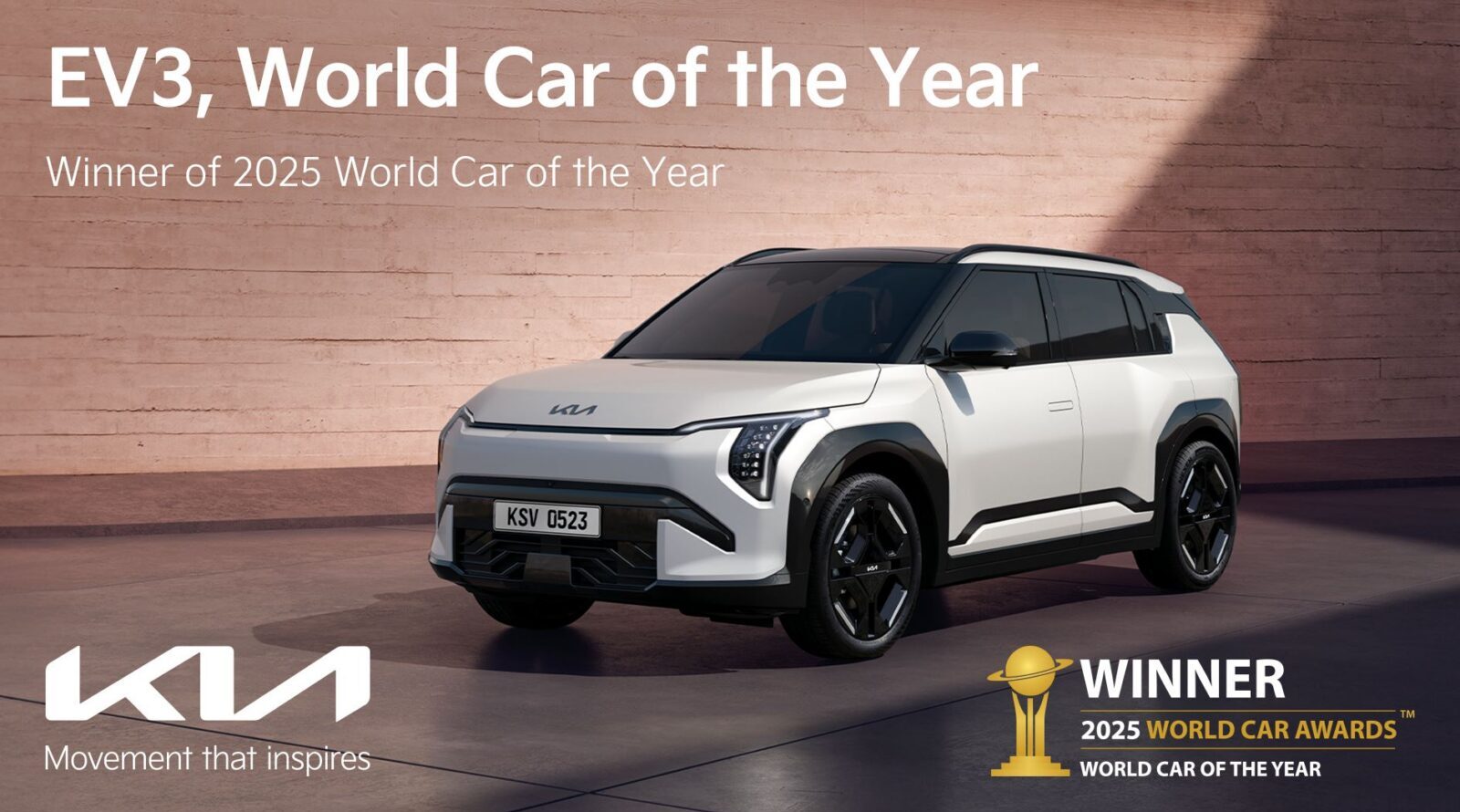
Kia’s EV3 has looked, on paper, like the kind of electric vehicle the U.S. market has been waiting for: a compact electric SUV from a major brand, modern in design, practical in size, and priced far below the premium tier that still defines much of the EV market. But the latest shift around where the vehicle will be built may matter almost as much as the product itself.
According to CleanTechnica, Kia has elected to manufacture the EV3 in Mexico. That is a notable change in direction for a vehicle that had previously been expected to reach the United States and that had been widely discussed as a possible candidate for production at Kia’s existing plant in West Point, Georgia. If that expectation is now off the table, the EV3 becomes more than just another electric crossover launch. It becomes a signal about how automakers are reassessing where affordable EVs can actually be built and sold in North America.
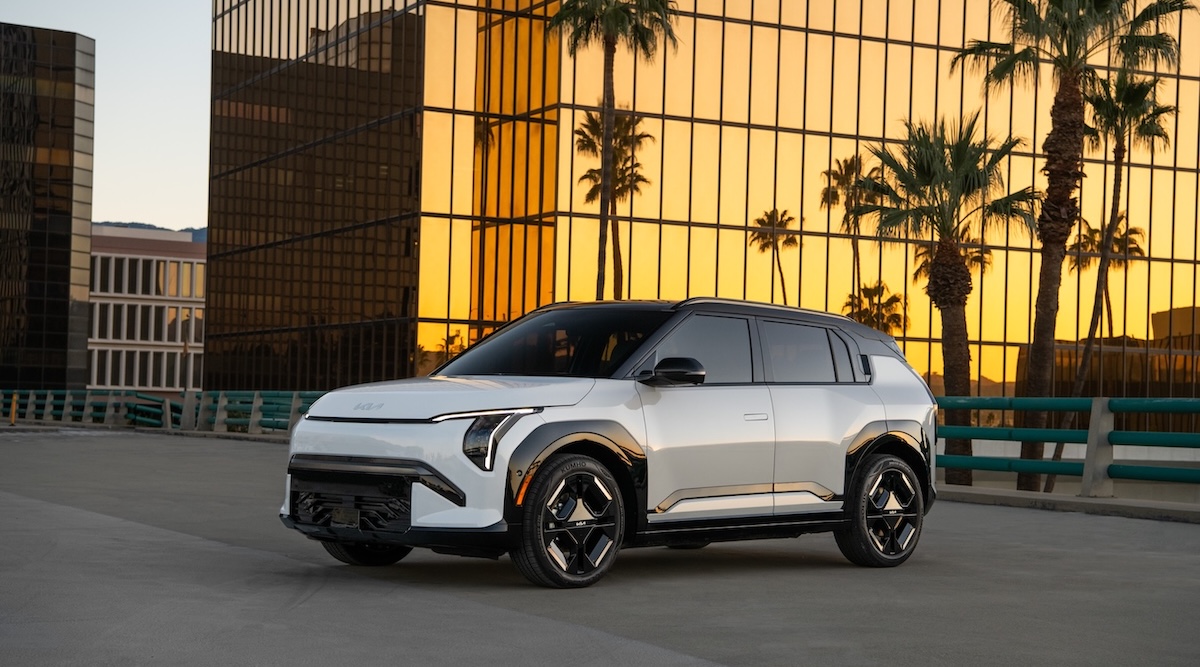
The EV3’s appeal is straightforward. CleanTechnica describes it as a thoroughly modern battery electric vehicle wrapped in a compact SUV body and carrying design cues from Kia’s larger EV9. That matters because style has become one of the clearest dividing lines in the EV market: buyers increasingly want smaller vehicles without the visual compromises that often define entry-level models. Kia appears to be trying to preserve the premium look while lowering the price point.
The underlying hardware also shows how the company is positioning the vehicle. The EV3 rides on the 400-volt version of Hyundai-Kia’s E-GMP platform. That means it is not chasing the fastest charging numbers in the industry, but the reported charging performance is still aimed squarely at mainstream use. Kia says the vehicle can charge from 10 percent to 80 percent in about 30 minutes, and the model is equipped with a NACS charging port, a decision that aligns it with the charging standard that has quickly become central to U.S. EV infrastructure planning.
Why the EV3 matters
The headline reason the EV3 has drawn attention is price. CleanTechnica says the entry-level model is expected to start at around $35,000. In a market where many electric SUVs remain priced well above that level, the EV3 is designed to hit a more realistic mass-market band. That alone would make it important. But Kia is not pairing the lower price with stripped-down fundamentals.

The base vehicle is reported to use a 58.3-kWh battery and a 201-horsepower front-wheel-drive motor, with estimated range of 220 miles. Buyers looking for more reach can step up to an 81.4-kWh battery, with single-motor range estimated at 320 miles. A dual-motor configuration producing 261 horsepower is also expected, and a GT Performance package could raise output to 288 horsepower at a price just under $50,000.
Those figures suggest Kia is trying to cover multiple slices of the market with one platform. The lower end targets shoppers moving out of gas-powered compact SUVs. The long-range version addresses buyers who are interested in EVs but still unwilling to accept limited range. The performance-oriented model gives the lineup a halo effect without changing the vehicle’s core identity.
Size is part of the strategy as well. CleanTechnica reports that the EV3 is about 170 inches long, making it slightly longer than a Volvo EX30 and noticeably shorter than a Chevy Trax. That places it in a compact footprint that should work in urban and suburban use while still allowing room for family-duty expectations. Kia is betting that many buyers want a vehicle that feels like an SUV without becoming large, expensive, or inefficient.

Feature content without the usual entry-level compromises
The EV3’s equipment list reinforces that idea. CleanTechnica says the interior includes two 12.3-inch screens plus a separate 5.3-inch display for climate functions, giving the cabin more than 30 inches of digital display area in total. Wireless Apple CarPlay and Android Auto are included, along with i-Pedal 3.0 adaptive regenerative braking. Forward Collision Avoidance Assist and Lane Keeping Assist are standard, while Highway Driving Assist 2 is available on higher trims.
That package matters because affordability in the EV market is often achieved by cutting the visible technology that shoppers associate with newer vehicles. Kia appears to be taking a different tack: hold the line on the user-facing experience while scaling the battery, powertrain, and trim structure to create a wider price ladder. If that works, the EV3 could become one of the more strategically important electric crossovers in Kia’s lineup.
What Mexico production changes
Where the EV3 is built now becomes central to its commercial story. Manufacturing in Mexico can affect pricing, sourcing, logistics, and how the vehicle is positioned relative to U.S.-built alternatives. It also changes the narrative around domestic EV expansion. Instead of using an existing Georgia plant, Kia is reportedly shifting production south of the border for a model that was expected to serve a broad American audience.
CleanTechnica places that change in the context of a turbulent period for Hyundai Motor Group’s U.S. industrial footprint. The report notes that earlier assumptions about Georgia production came before last year’s immigration raid at the Hyundai battery factory outside Savannah. The article does not present a formal statement tying that event directly to the Mexico decision, but it clearly frames the production change against a backdrop of political and operational uncertainty.
That context is significant even without a direct causal claim. Automakers make manufacturing decisions years in advance, but they also revise them when labor, policy, trade, or execution risks shift. For an affordable EV, the margin for error is smaller than it is on a premium vehicle. A few thousand dollars in cost structure can determine whether a model breaks through or remains a niche product.

A test case for the next phase of EV competition
The EV3 now looks like a test of something larger than one model. Can a global automaker deliver a compact electric SUV at a genuinely mainstream price while preserving range, design, and technology expectations? And can it do so with a North American manufacturing setup that still works under today’s political and industrial pressures?
If the EV3 arrives with the specifications CleanTechnica describes, Kia will have a strong product argument. A compact electric SUV with up to 320 miles of estimated range, fast-enough charging, standard smartphone integration, advanced driver-assistance features, and a starting price around $35,000 would land in a segment that remains comparatively underfilled.
But the vehicle’s production location ensures the discussion will extend beyond the showroom. The EV3 is no longer just a product story. It is a manufacturing story, a policy story, and a pricing story at the same time. In a period when automakers are being pushed to localize, electrify, and cut costs all at once, Kia’s reported Mexico decision suggests that even highly anticipated EVs may reach the U.S. market through a more complicated industrial map than many expected.
This article is based on reporting by CleanTechnica. Read the original article.
Originally published on cleantechnica.com