Strategic Investment in Domestic Minerals
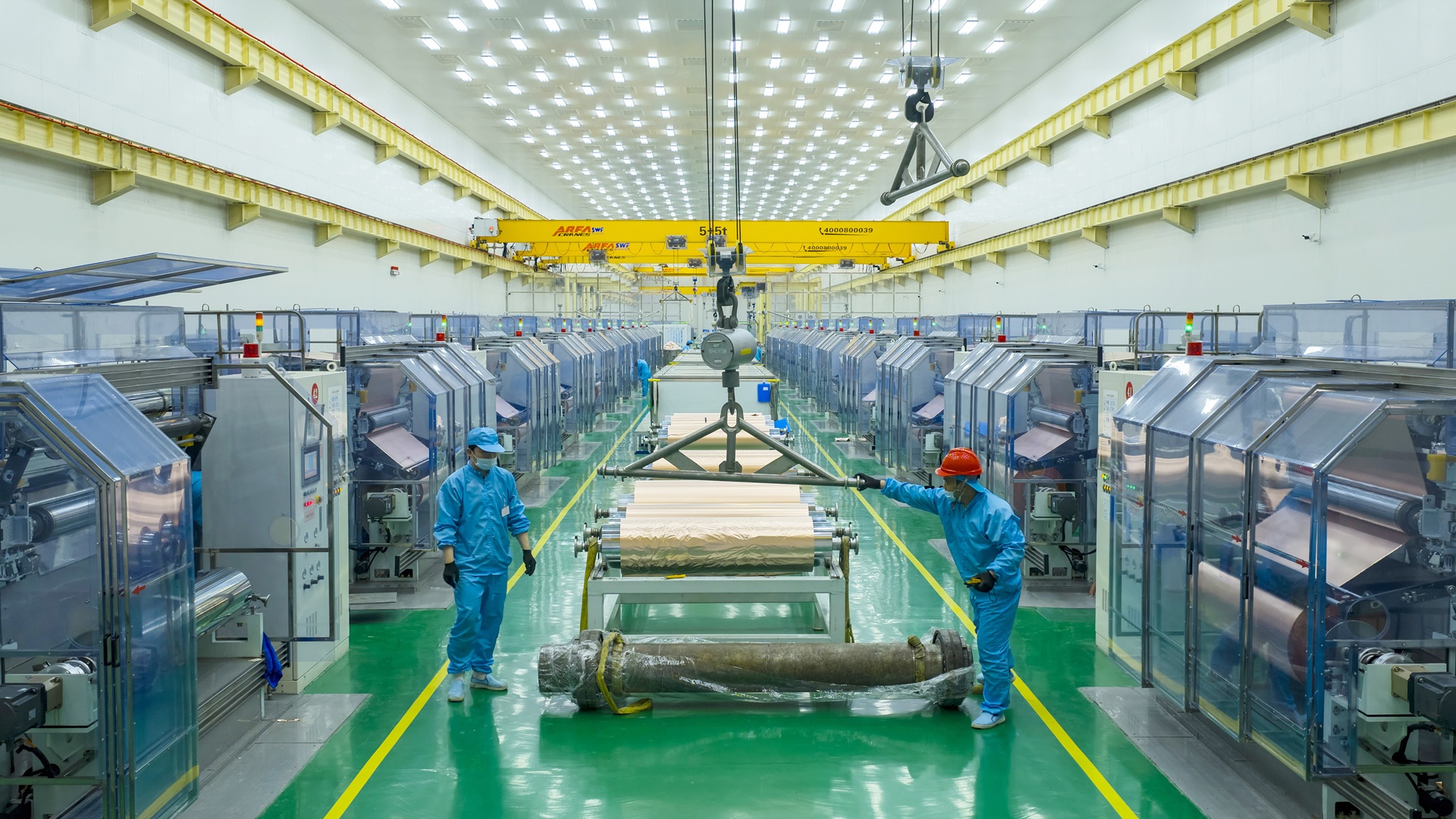
The White House has unveiled a comprehensive plan to invest more than $2 billion in the domestic critical mineral supply chain, a move aimed at reducing the United States' dependence on foreign sources for materials essential to modern technology and defense. The announcement, made on August 7, 2026, includes a mix of direct investments, private sector partnerships, and new processing agreements designed to secure a stable supply of minerals such as lithium, rare earth elements, and scandium.
This initiative comes amid growing global competition for critical minerals, which are vital for everything from electric vehicle batteries to advanced military systems. By boosting domestic production and processing capabilities, the administration aims to insulate the U.S. economy from geopolitical disruptions and price volatility in international markets.
Key Components of the Plan
The plan involves several major projects and companies, including Sila Nanotechnologies, Niron Magnetics, and a new scandium processing facility. These partnerships are expected to create thousands of jobs and spur innovation in mineral extraction and refining technologies.
- Sila Nanotechnologies: A leader in silicon-based anode materials for batteries, Sila will receive funding to expand its production capacity, reducing reliance on imported graphite and other materials.
- Niron Magnetics: This company specializes in rare-earth-free magnets, which are critical for electric motors and wind turbines. The investment will help scale up production of its iron-nitride magnets, decreasing the need for imported rare earth elements.
- Scandium Processing: A new facility will process scandium, a metal used in aerospace and solid oxide fuel cells, currently sourced almost entirely from overseas. This will establish a domestic supply chain for this strategic material.
These projects are part of a broader strategy to secure the nation's mineral independence, aligning with defense and clean energy goals.

Reducing Foreign Dependence
The United States currently imports more than 50% of its critical mineral needs, with a significant portion coming from countries with unstable political climates or adversarial relationships. The new investments aim to change that by fostering domestic mining, processing, and recycling capabilities.
Officials emphasized that the plan is not just about mining but also about building a complete value chain, from extraction to end-use products. This includes investing in research and development for more efficient and environmentally friendly processing techniques.

Economic and National Security Implications
Beyond economic benefits, the plan has significant national security implications. Critical minerals are essential for defense applications, including advanced electronics, jet engines, and missile guidance systems. A secure domestic supply chain reduces the risk of supply disruptions during conflicts or trade disputes.
The White House statement highlighted that these investments would create a more resilient economy, protect American jobs, and ensure that the U.S. remains competitive in the global race for clean energy technologies.

Industry and Expert Reactions
Industry leaders have welcomed the announcement, noting that it provides the long-term certainty needed to invest in new mining and processing projects. Environmental groups, however, have called for strict oversight to ensure that new mining operations adhere to environmental and community standards.
Experts point out that while $2 billion is a substantial sum, it may only be the beginning. The International Energy Agency estimates that the world needs to invest trillions of dollars in critical minerals over the next two decades to meet climate goals. The U.S. plan is seen as a critical first step in that direction.
Future Outlook
The administration plans to work with Congress to ensure the necessary funding and regulatory support for these projects. Additional investments are expected in the coming years, focusing on other critical minerals such as cobalt, nickel, and lithium.
The success of this plan will depend on the ability of companies to scale up production quickly and cost-effectively, as well as on continued innovation in recycling and alternative materials. If successful, the U.S. could significantly reduce its vulnerability to foreign supply shocks and lead the world in sustainable mineral production.
This article is based on reporting by Interesting Engineering. Read the original article.

Originally published on interestingengineering.com