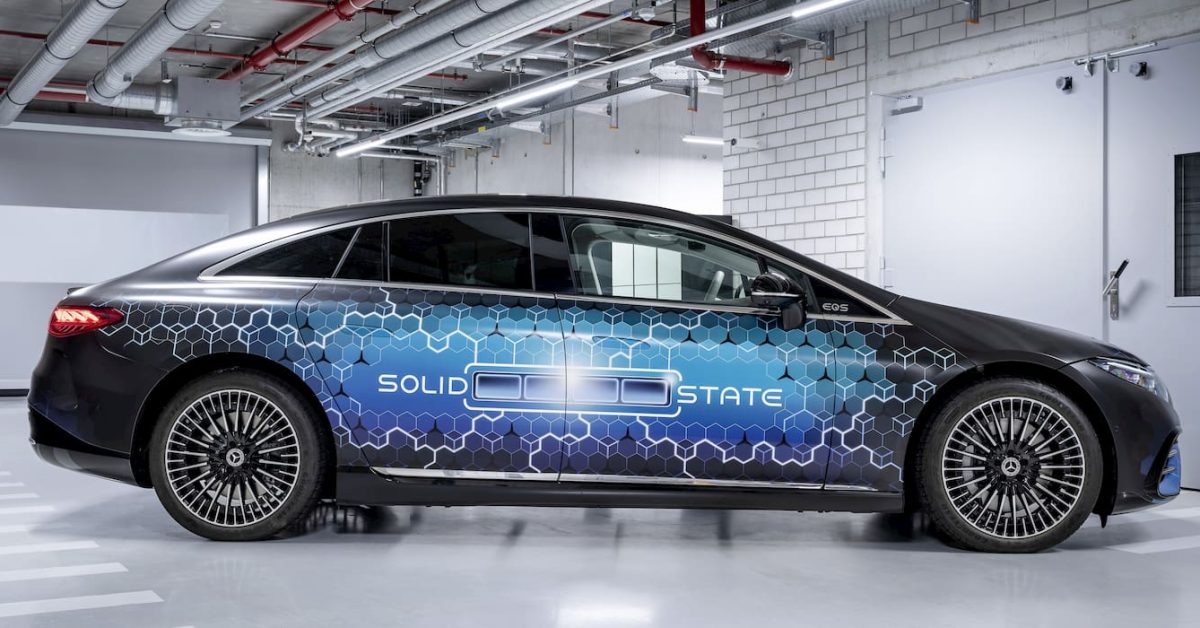
Solid-state battery developer Factorial Energy has secured another significant partnership, this time with Mitsui Kinzoku, a Japanese materials group that ranks among the small number of companies worldwide producing sulfide-based solid electrolytes. As first reported by Electrek, the collaboration is aimed squarely at scaling up the technology that would sit at the core of the next generation of batteries.
For observers of the battery sector, the identity of the partner matters as much as the announcement itself. Solid-state cells have been promoted for more than a decade as the logical successor to the lithium-ion packs used in today's electric vehicles, promising higher energy density, quicker charging and a lower risk of fire. The engineering concept has rarely been the obstacle. The difficulty lies in converting a promising laboratory chemistry into a material that can be manufactured by the tonne at a cost automakers are willing to absorb.
Why the partner matters more than the headline
Sulfide-based electrolytes are widely viewed as one of the most viable routes to a practical solid-state battery. They offer high ionic conductivity — in some formulations approaching that of the liquid electrolytes used in conventional lithium-ion cells — and they lend themselves to processing methods that resemble existing roll-to-roll manufacturing. The catch is that they are hard to make, costly to handle and produced today by only a handful of suppliers globally.
That scarcity explains why Factorial's choice of partner carries weight. Instead of unveiling yet another automotive memorandum of understanding — a genre of announcement that has dominated solid-state news for years — the company appears to be addressing the supply side of the equation. Without a dependable, high-volume source of electrolyte, no cell developer can credibly promise commercial output, regardless of how elegant its cell design may be.
An industry still short on materials
The solid-state sector has attracted billions in investment, but the money has flowed unevenly. Cell developers, automakers and venture funds have all been willing to back promising startups, while the unglamorous business of synthesising and purifying electrolyte powders has received far less attention. The result is a pipeline that looks healthy at the demonstration stage and fragile at the industrial stage.
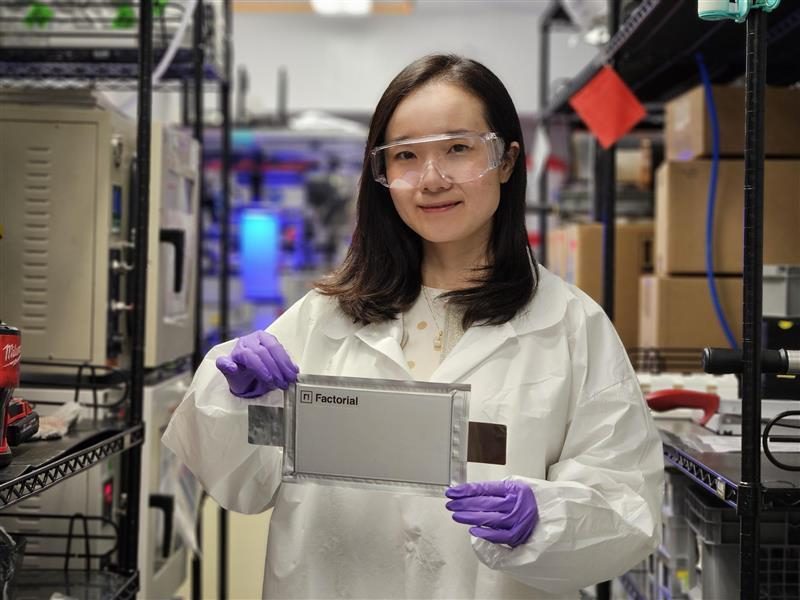
Pairing a cell developer with a materials specialist is a common way to close that gap. The materials partner brings process knowledge, existing production infrastructure and quality-control discipline built over decades of supplying other industries. The cell developer brings demand, cell-level design expertise and the customer relationships needed to get the resulting product into vehicles.

A crowded field with a long runway
Factorial is not competing in an empty arena. Dozens of startups and several large manufacturers are pursuing solid-state chemistries, split between oxide, polymer, hybrid and sulfide approaches. Each has trade-offs: oxides tend to be more stable in air but harder to process, polymers are flexible but limited in conductivity, and sulfides sit in an appealing middle ground that has made them a popular target for developers chasing automotive-grade performance.
The competitive logic rewards whoever moves fastest from pilot lines to genuine factories. Announcements like this one are, in effect, an attempt to compress that timeline by borrowing the manufacturing experience of an established producer rather than building it from scratch.
What scaling up actually involves
Scaling a solid electrolyte is not a matter of simply running a larger reaction vessel. Several technical hurdles tend to appear as volumes rise:
- Consistency: the electrolyte powder must maintain uniform particle size, purity and crystalline structure batch after batch, because small variations can degrade cell performance.
- Moisture control: sulfide materials react readily with humidity, so production, storage and handling require controlled atmospheres that add cost and complexity.
- Cost per kilogram: raw materials and energy inputs must fall far enough for the finished battery to compete with conventional lithium-ion packs on price.
- Interface engineering: even a flawless electrolyte must form stable contact with the anode and cathode, a problem that intensifies at larger cell formats.
- Qualification cycles: automakers typically require years of testing before a new material enters a production vehicle.
Each of these is a manufacturing discipline rather than a scientific discovery, which is precisely why a partner with industrial materials experience can be more valuable than another round of venture funding.
The bigger picture for energy storage
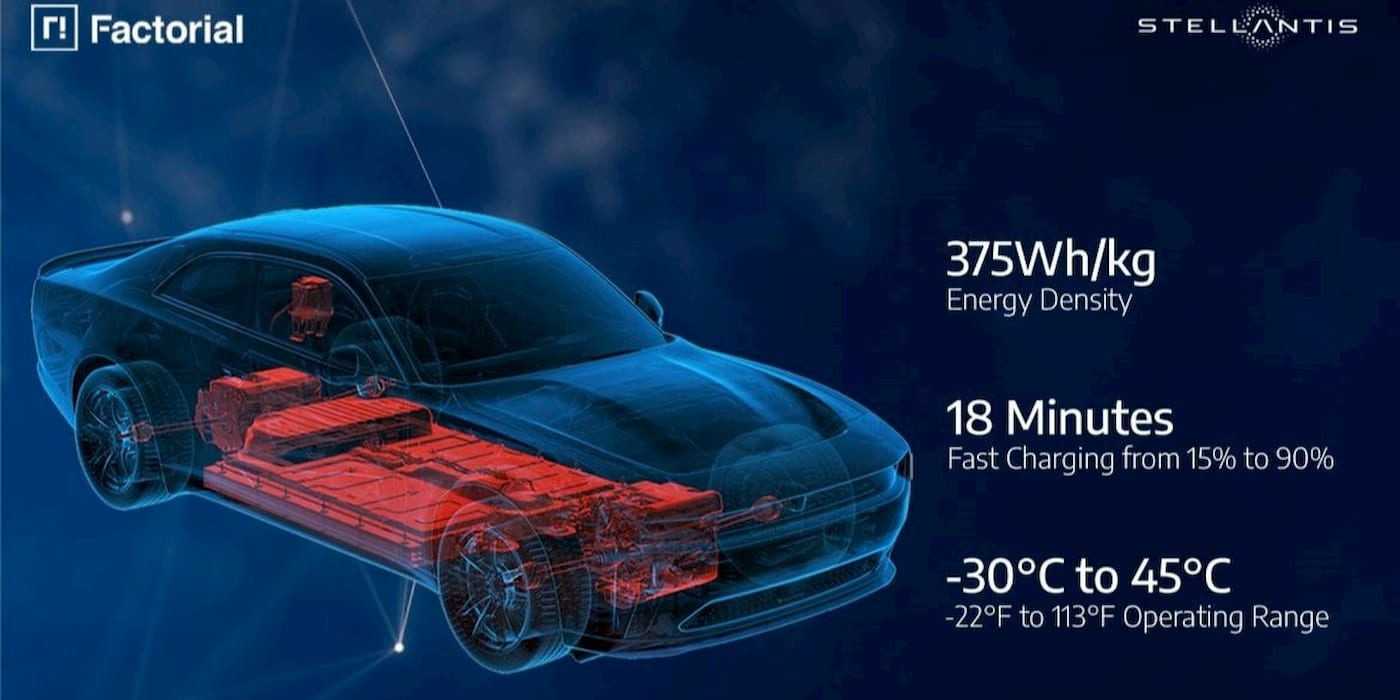
If solid-state cells do reach mass production, the implications extend beyond passenger cars. Higher energy density translates into lighter packs and longer range for a given battery weight — a major constraint for electric trucks, buses and aircraft. Improved thermal stability could simplify pack cooling and fire-suppression systems, reducing both cost and complexity. Faster charging without the degradation associated with lithium plating is another long-sought goal.
Stationary storage is a secondary prize. Grid-scale batteries place a premium on cost, cycle life and safety rather than raw energy density, and a solid electrolyte that resists dendrite formation could open the door to chemistries that are impractical in liquid systems.
What to watch next
The most useful signals from here will be concrete rather than rhetorical. Supply agreements that specify volumes, timelines for pilot production lines, disclosed electrolyte costs, and eventually the naming of a vehicle programme willing to commit to the chemistry. Any of those would indicate that the partnership is moving from intent to execution.
For now, the Factorial–Mitsui Kinzoku tie-up underlines a broader shift in how the solid-state race is being fought. The winners may not be the companies with the most striking laboratory results, but those that solve the least glamorous problems first: powders, purity and production lines. Factorial has now placed a bet on that side of the ledger, and the coming years will show whether the materials bottleneck was the real barrier all along.
This article is based on reporting by Electrek. Read the original article.

Originally published on electrek.co