Reviving America's Nuclear Fuel Independence
The United States is making a determined push to rebuild its domestic uranium supply chain, and the Aurora project is emerging as a pivotal player. This initiative, which has recently moved to a 47-hole drilling phase, represents a significant step toward securing a reliable source of nuclear fuel for the nation's reactors. As geopolitical tensions and supply chain vulnerabilities have highlighted the risks of over-reliance on foreign uranium, projects like Aurora are becoming central to the country's energy strategy.
The Aurora project's advancement comes at a critical time. With the U.S. nuclear fleet providing about 20% of the nation's electricity, ensuring a stable and secure supply of uranium is not just an economic issue but a national security priority. The move to 47-hole drilling signals a transition from exploration to a more intensive evaluation phase, bringing the project closer to potential production.
The Strategic Importance of Domestic Uranium
For decades, the United States has depended heavily on imported uranium, with countries like Kazakhstan, Canada, and Australia being major suppliers. However, recent disruptions in global supply chains and the desire to reduce dependence on foreign adversaries have prompted a renewed focus on domestic sources. The Biden administration has set ambitious goals for clean energy, and nuclear power is seen as a crucial component of a carbon-free future. To support this, the U.S. must ensure it has a secure and reliable supply of nuclear fuel.
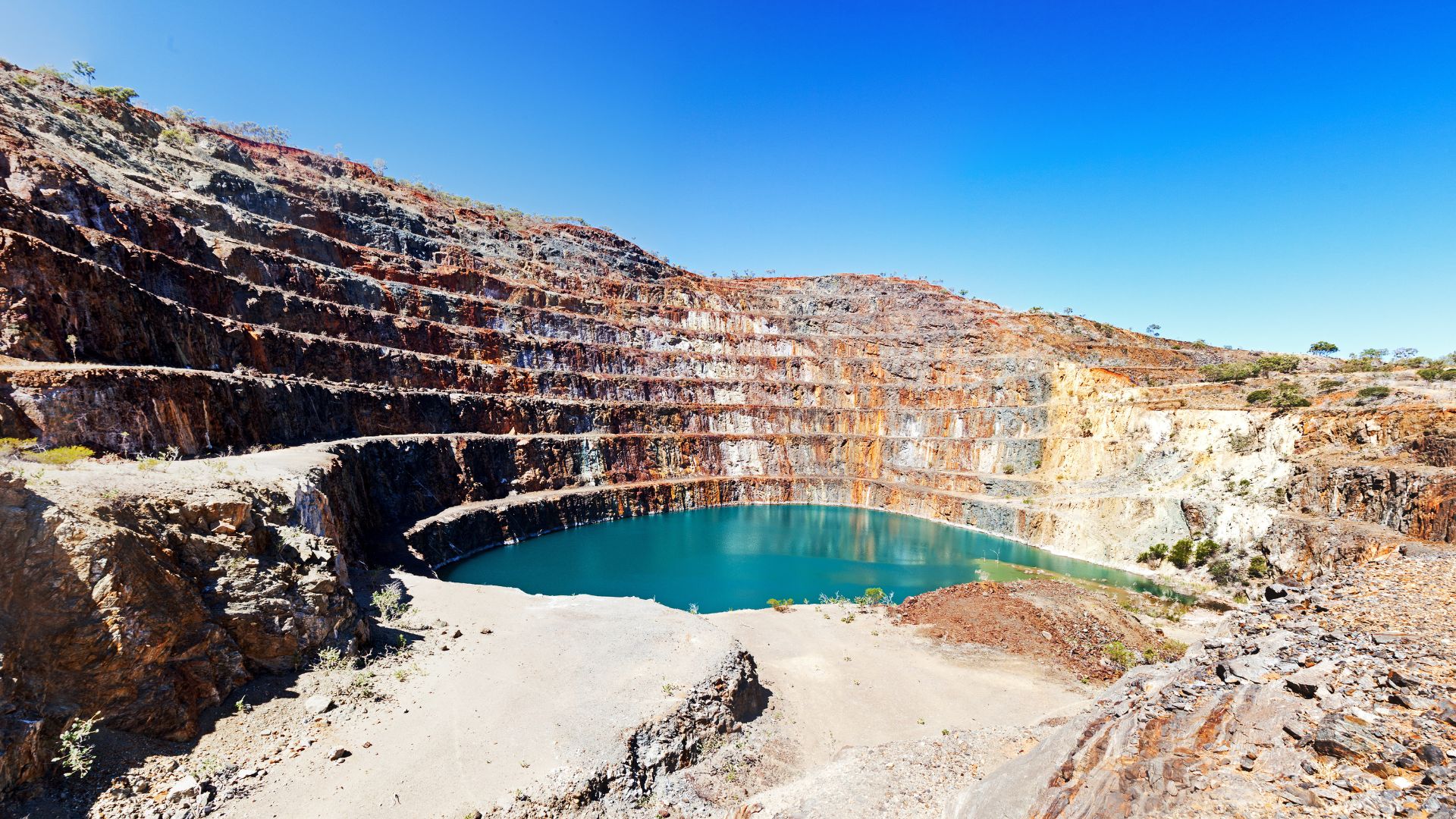
The Aurora project, located in a region with known uranium deposits, could play a significant role in this effort. By developing domestic mining and processing capabilities, the U.S. can reduce its vulnerability to international market fluctuations and geopolitical pressures. Moreover, a domestic supply chain would create jobs and stimulate local economies, adding to the project's appeal.

Details of the 47-Hole Drilling Phase
The 47-hole drilling phase is a critical step in the development of the Aurora project. This phase involves drilling a series of boreholes to assess the extent and quality of the uranium mineralization. The data collected will be used to calculate a resource estimate, which is essential for determining the project's economic viability and for obtaining the necessary permits for mining operations.
Each drill hole provides valuable information about the geology of the deposit, including the depth, thickness, and grade of the uranium-bearing zones. This information is crucial for designing an efficient mining plan and for estimating the cost of extraction. The drilling program is expected to take several months to complete, with results being analyzed and reported as they become available.
The company behind the Aurora project has expressed confidence in the potential of the site, citing previous exploration results that indicate a promising deposit. The 47-hole drilling program is designed to build on this knowledge and to provide the detailed data needed to advance the project to the next stage.
Support from Federal and State Policies
The renewed push for domestic uranium production is not happening in a vacuum. Federal and state policies are increasingly supportive of nuclear energy as a clean and reliable power source. The U.S. Department of Energy has announced initiatives to support the nuclear fuel cycle, including funding for research and development of advanced nuclear reactors and fuel technologies. These efforts aim to create a more resilient and self-sufficient nuclear industry.
At the state level, there is also growing recognition of the economic and environmental benefits of nuclear power. Some states have passed legislation to provide incentives for nuclear energy projects, including tax breaks and streamlined permitting processes. These supportive policies are likely to benefit projects like Aurora, which align with broader goals of energy independence and decarbonization.
Furthermore, the U.S. government has taken steps to address the issue of uranium imports from countries like Russia. In response to the invasion of Ukraine, the U.S. has imposed sanctions on Russian uranium imports, further highlighting the need for domestic alternatives. This has created a sense of urgency to develop U.S. uranium resources, and projects like Aurora are well-positioned to fill the gap.

Environmental and Community Considerations
As with any mining project, the Aurora project must navigate environmental and community considerations. The company has stated its commitment to responsible development, including minimizing environmental impacts and engaging with local stakeholders. The 47-hole drilling phase is an opportunity to demonstrate these commitments, as it involves activities that must be conducted in an environmentally sensitive manner.
Water management is a key concern in uranium mining, as the process can affect local water resources. The company will need to implement measures to protect water quality and quantity, including proper handling of drilling fluids and waste. Additionally, the project will need to address potential impacts on wildlife and vegetation, and to develop a comprehensive reclamation plan for the site.
Community engagement is also crucial for the project's success. The company has been working to build relationships with local residents and leaders, providing information about the project and addressing concerns. By fostering open communication and transparency, the company aims to gain the support of the community and to ensure that the benefits of the project are shared locally.
Economic and Job Creation Potential
One of the most compelling arguments for the Aurora project is its potential to create jobs and stimulate economic growth. Uranium mining and processing require a skilled workforce, and the project could create hundreds of direct jobs, as well as indirect jobs in supporting industries. This would provide a significant boost to the local economy, particularly in rural areas where employment opportunities may be limited.
In addition to direct employment, the project could generate tax revenue for local and state governments, which can be used to fund public services and infrastructure. The development of a domestic uranium supply chain could also spur investment in related industries, such as transportation and logistics, further enhancing the economic impact.
Moreover, the project aligns with the broader trend of reshoring critical supply chains. As the U.S. seeks to reduce its dependence on foreign sources for essential materials, projects like Aurora represent a strategic investment in national resilience.

Challenges and Future Outlook
Despite the promising outlook, the Aurora project faces several challenges. The uranium market has been volatile, with prices fluctuating significantly in recent years. This can affect the economic viability of mining projects, as the cost of production must be competitive with global prices. However, the current market conditions, driven by increased demand for nuclear energy and supply constraints, are more favorable for new projects.
Regulatory hurdles are another potential challenge. Mining projects must obtain a variety of permits and approvals, which can be time-consuming and costly. The company will need to navigate these processes carefully, ensuring compliance with all applicable laws and regulations.
Looking ahead, the Aurora project is poised to play a significant role in the U.S. uranium supply chain. The 47-hole drilling phase will provide critical data that will inform decisions about the project's future. If successful, the project could begin production within a few years, contributing to the nation's energy security and clean energy goals.
In conclusion, the advancement of the Aurora project to 47-hole drilling is a positive development for the U.S. nuclear industry. It reflects a broader commitment to rebuilding domestic uranium capabilities and reducing reliance on foreign sources. With supportive policies, responsible development practices, and economic benefits, the project has the potential to be a cornerstone of America's nuclear fuel strategy for decades to come.
This article is based on reporting by Interesting Engineering. Read the original article.
Originally published on interestingengineering.com