Why Inland Tourist Routes Need Fast Charging
Drivers of electric vehicles in Australia have grown used to finding high-speed charging along the coastal highways and through the major cities. Once they turn inland, however, the network thins out. Tourist regions — places that depend on visitors arriving by road — are where the gap is felt most sharply, because a missing or broken charger can push a driver to skip a town entirely.
For local economies, that is not a small matter. A reliable rapid charger turns a town into a viable stopping point on a longer journey. Without one, travellers may pass through without spending on food, accommodation or local attractions.
Kingaroy: A Crossroads Town With Plenty to Offer
Kingaroy, Queensland, illustrates the challenge well. The town sits at the junction of the D'Aguilar and Bunya highways, both popular tourist drives that thread through mountains, national parks and rural townships. It lies about 218 kilometres northwest of Brisbane, making it a natural place to break a journey after a little over two hours of driving.
With a population of roughly 10,000, Kingaroy offers drivers a chance to recharge the car, use a restroom and pick up a coffee. It also has drawcards of its own: it is known as the peanut capital of Australia, and its greenery and boutique wineries make it an appealing stop. In winter, when many Australians head north from chilly Victoria to soak up the Queensland sun, towns like this sit directly in the path of that seasonal migration.

A High-Speed Charger Out of Action for Months
The difficulty was that visitors with EVs struggled to find high-speed charging. Until recently, the town had a couple of level two chargers available, but its high-speed unit was out of order — and had been for some time. The South Burnett Sustainable Future Network grew frustrated that the charger was not being repaired.
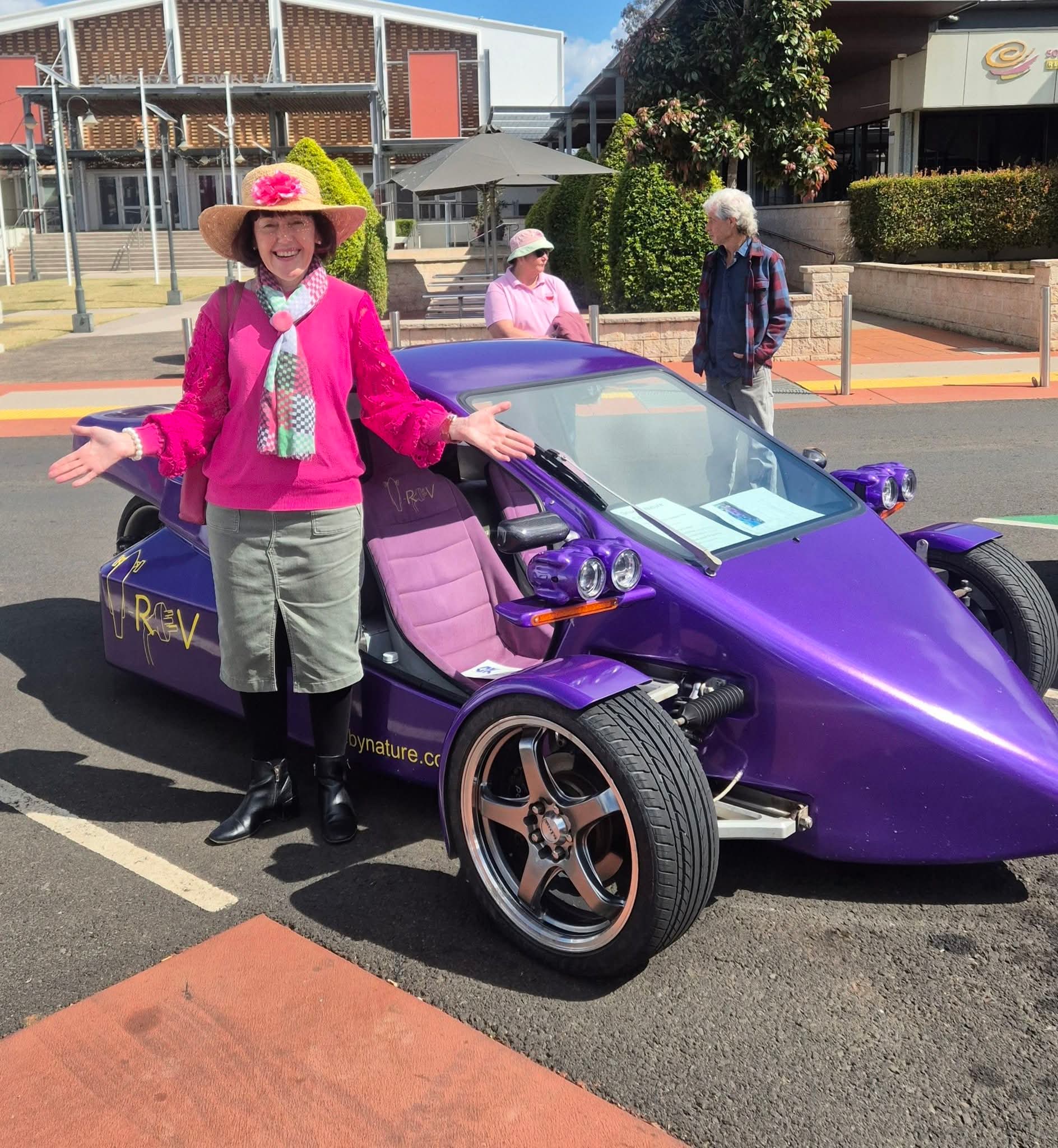
Fortunately, the situation changed before a community event was due to take place. The high-speed charger was fixed ahead of the gathering and appears to have been operating reliably since. Even so, the episode underlined how much a town's reputation with EV drivers can hinge on a single piece of equipment.
The Economic Case, Made by the Mayor
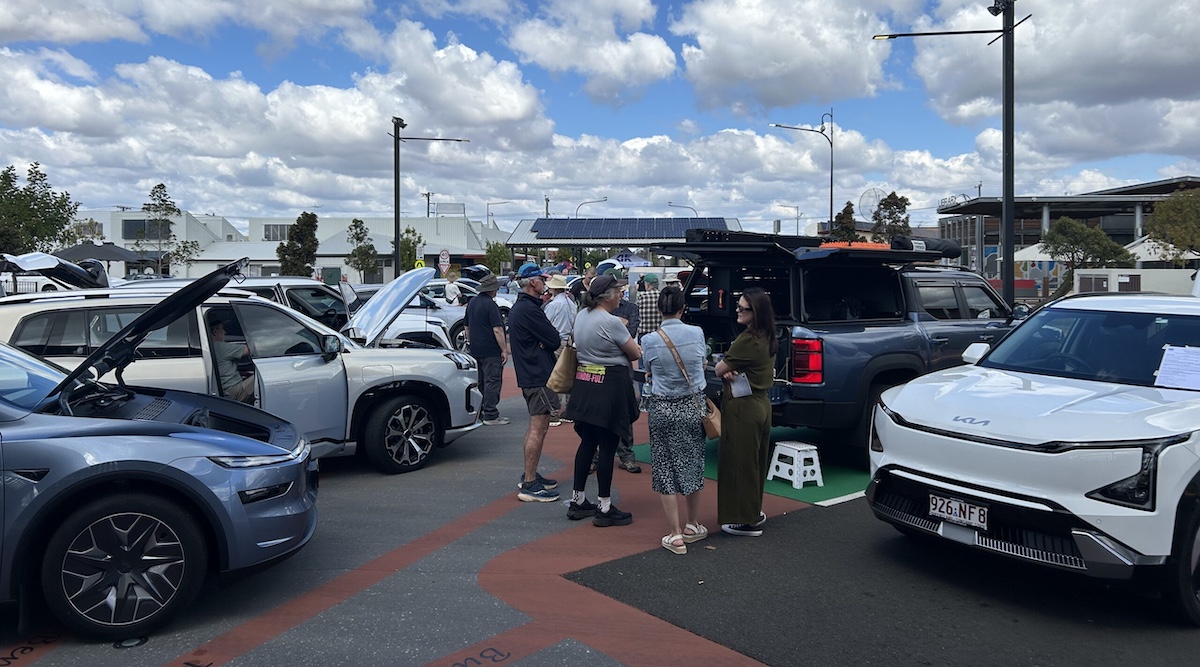
Mayor Kathy Duff attended the event, organised by the Queensland branch of the Australian Electric Vehicle Association (AEVA), and framed charging squarely as an economic question. EV chargers, she said, are a benefit to the region because they encourage more travellers and tourism to the South Burnett.
Her point reflects a broader truth about rural and regional Australia: charging infrastructure functions as visitor infrastructure. When a town can reliably charge an electric car quickly, it becomes part of the itinerary rather than a blur on the highway.
What the AEVA Meet-and-Greet Revealed
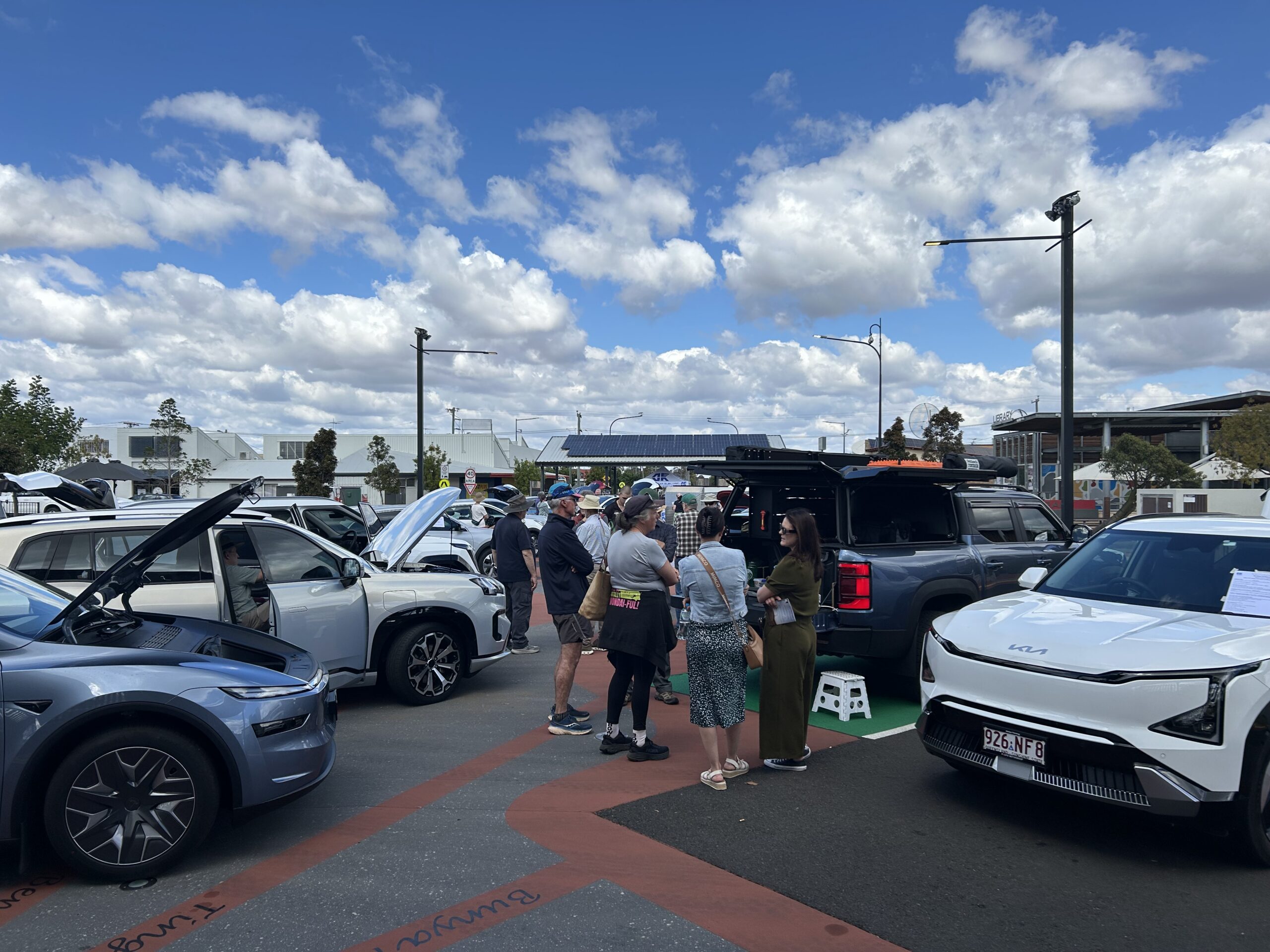
More than 20 electric vehicles turned out for the Kingaroy event, according to AEVA. But the turnout told a more nuanced story about charging behaviour. AEVA member Allan, who was present, said he only saw about four vehicles charging during the day, and noted that few attendees appeared to need a recharge.
In his view, that could say something about either the availability of destination charging or the practical range of modern EVs. Both explanations are plausible. Many drivers now charge overnight where they are staying and arrive in town with plenty of range left, while newer models can cover longer distances between top-ups than earlier generations could.
Still, a single event day is a small sample. It does not tell planners or investors how the network performs on a busy holiday weekend, when several drivers may want the same rapid charger at once — or on the day a charger fails.
Destination Charging Versus En Route Charging
The Kingaroy discussion highlights a distinction that matters for planning. Destination charging — slower charging at motels, hotels or attractions where a car sits for hours — can meet much of the need for visitors who stay overnight. En route charging, by contrast, has to be fast, because drivers on a long trip want to spend minutes, not hours, stopped.
Tourist regions generally need both. A town with destination charging but no working rapid charger can still lose the day-tripper, or the driver passing through with a schedule to keep.

Towing and Touring: A Test Case
Among the vehicles at the Kingaroy gathering was a Tesla towing a caravan. Allan noted that it generated considerable interest and served as a good example of how EVs are increasingly being used for touring and towing. That matters for regions like the South Burnett, where caravans and camping trips form a significant part of the visitor mix — and where towing reduces range, making dependable charging more important, not less.
The Road Ahead
The Kingaroy experience offers lessons that apply well beyond one Queensland town:
- Charging availability shapes where travellers stop and where they spend their money.
- Reliability matters as much as presence, since a broken unit can undo years of goodwill.
- Rapid repairs, plus clear communication, keep local communities and drivers informed.
- Destination and en route charging serve different needs and should be planned together.
- Towing and touring use cases raise the value of dependable fast charging even further.
For tourist regions across Australia, the message is that charging is part of the economic base rather than an add-on. Towns that get it right stand to capture more of the growing number of EV-driving visitors — and those that do not risk watching them drive past.
This article is based on reporting by CleanTechnica. Read the original article.
Originally published on cleantechnica.com