
EPA Set to Announce Power Plant Pollution Rollback on Monday
The Environmental Protection Agency is preparing to unveil a new policy on Monday that would eliminate limits on pollution from power plants, according to reporting from Electrek. The outlet frames the move as the latest installment in the Trump administration's broader effort to unwind environmental regulation, and it estimates that the change would leave Americans carrying an additional $120 billion in long-term health costs.
Specifics of the policy were not laid out ahead of the announcement. It is not yet clear which particular limits would be removed, how quickly any changes would bind power generators, or what legal obstacles the agency might encounter. What is clear from the reporting is the direction of travel: a federal regulator stepping back from pollution controls on the electric power sector.
That the announcement is being teed up for the start of the work week is itself notable. Agencies typically time significant deregulatory actions to maximize attention and to set the terms of the public debate before opponents can organize a response.
Where the $120 Billion Figure Comes From
The headline number attached to this policy is $120 billion in added long-term health costs — a figure that reflects the way pollution rules are typically evaluated in federal rulemaking. When agencies assess environmental standards, they do not only tally the cost of installing and operating control equipment at power plants. They also estimate the monetized health benefits of avoided illness and premature death, then weigh those benefits against compliance costs.
Removing limits on power plant emissions therefore does not simply shift costs from utilities to the public in an abstract sense. It converts what had been a regulated, compliance-driven expense on the industry side into a health burden borne by the wider population — spread across households, employers, insurers, and public health systems over many years.
The Electrek report emphasizes that this is a long-term cost, which matters. Pollution-related illness does not appear on a utility's balance sheet the year a rule is repealed. It accumulates gradually, which makes it easy to discount in political messaging and hard to attribute in any single news cycle.
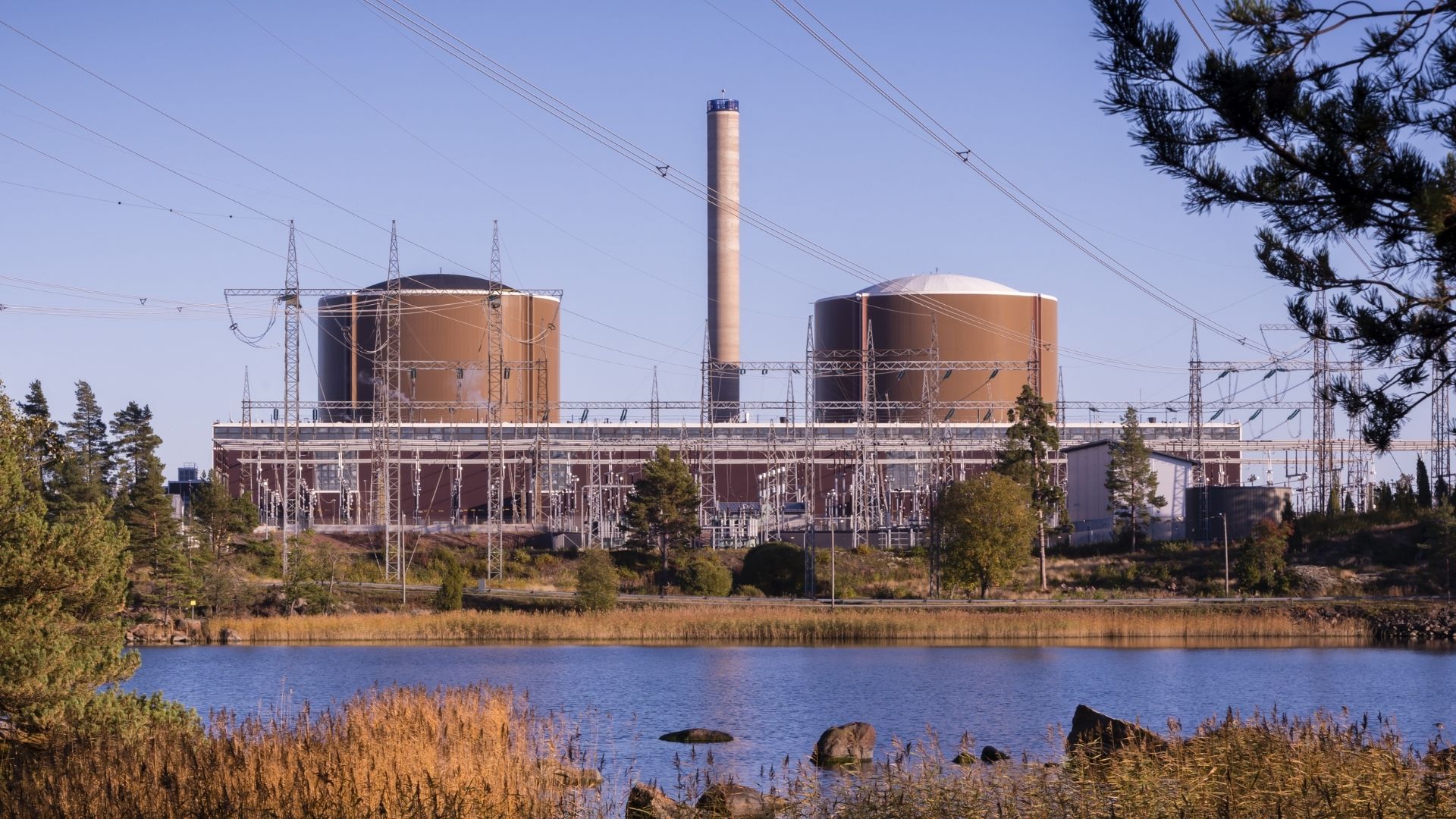
What Power Plant Pollution Rules Typically Cover
Without the full text of the forthcoming policy, the precise scope remains unknown. But the categories of pollution that limits on power plants generally address give a sense of what is at stake:
- Particulate matter and smog-forming compounds — the pollutants most directly linked to respiratory and cardiovascular harm in nearby communities.
- Sulfur dioxide and nitrogen oxides — byproducts of fossil-fuel combustion that contribute to acid deposition and regional air quality problems.
- Mercury and other toxic air pollutants — substances that accumulate in ecosystems and in the food chain, with particular risk to developing children.
- Greenhouse gases — carbon dioxide emissions that drive climate change and its associated health and economic effects.
- Coal ash and waterborne discharges — waste streams that often fall under separate but related regulatory frameworks.
The health consequences of loosening controls in any of these areas tend to fall unevenly. Communities closest to generating stations and downwind regions generally absorb the greatest exposure, which is why air quality rules have historically been debated as much as environmental justice questions as public health ones.
Energy Costs and the Deregulatory Push
The candidate headline attached to this story references energy costs, while the summary provided by the outlet emphasizes health costs. Both framings point at the same underlying trade-off: the expense of controlling pollution has to land somewhere, and so does the expense of illness when pollution goes uncontrolled.
Industry supporters of deregulation typically argue that compliance costs are passed through to ratepayers in the form of higher electricity bills, and that easing those requirements can lower costs and improve reliability. Critics counter that the savings are partial and short-lived, while the health costs are diffuse, long-lasting, and ultimately larger.
This announcement is described as the newest step in an ongoing series of administration actions rather than an isolated decision. That pattern matters for how the policy should be read: each individual rollback may look modest in isolation, but the cumulative effect on air quality, grid economics, and investment signals across the power sector can be substantial.

Legal and Procedural Uncertainty Ahead
Major environmental rules rarely disappear cleanly. Changes of this magnitude normally move through a formal rulemaking process, invite public comment, and arrive in court almost immediately. States, environmental organizations, and sometimes utilities themselves have strong incentives to challenge actions that alter long-standing compliance obligations.
Because the announcement has not yet happened, key questions remain open. Which statutory authority is the agency relying on? Does the policy repeal existing standards outright or replace them with something weaker? Does it apply retroactively to plants already operating under compliance schedules?
Those details will determine whether the $120 billion estimate holds, grows, or shrinks — and whether the policy survives contact with the judicial system at all.
Elsewhere in Energy and Electric Vehicle News
The same reporting window brought attention back to the electric vehicle side of the energy transition. Tesla is teasing a new Roadster reveal for October 1, with the company signaling the event with the phrase "Go for launch." Coming from Fred Lambert's coverage on September 12, 2026, the teaser keeps pressure on Tesla to deliver on a product that has been long promised and repeatedly delayed.
Taken together, the two storylines illustrate how unsettled the energy landscape looks right now. One track involves rolling back the regulatory constraints on incumbent fossil generation; the other involves an automaker trying to generate excitement about an electric performance car years after first announcing it.
What to Watch
Monday's announcement will be the first real test of how far this policy actually goes. Three things are worth tracking in the days that follow:
- The text of the policy itself, and which specific limits it targets.
- How the agency justifies its health-cost calculus — or whether it addresses the $120 billion estimate at all.
- The immediate legal response from states and advocacy groups, which will shape the timeline for implementation.
For households, the practical question is simpler and slower to answer. Electricity bills may or may not change noticeably. Air quality in affected regions is likely to change more gradually, and the health consequences will show up in data long after the news cycle has moved on.
This article is based on reporting by Electrek. Read the original article.
Originally published on electrek.co