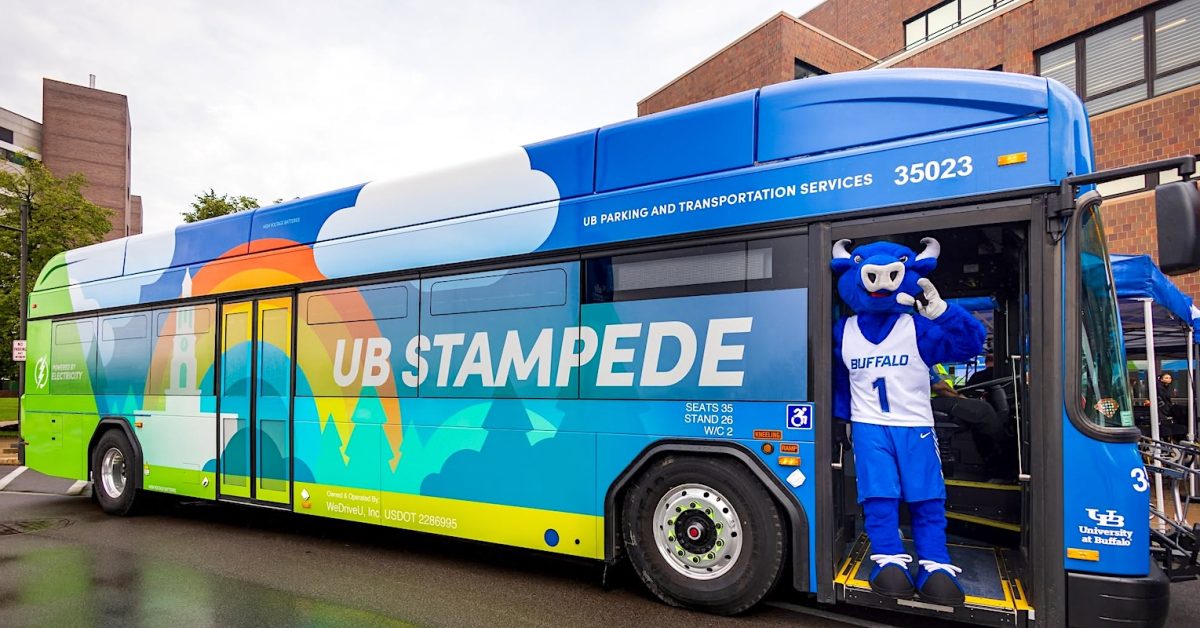
The University at Buffalo (UB) has taken a significant step toward sustainable campus mobility with the addition of eight new electric buses to its iconic Stampede Fleet. The 40-foot transit buses are now in service, offering a quieter and cleaner way for students, faculty, staff, and visitors to navigate the sprawling campus. The university is celebrating the deployment as part of its ongoing commitment to reducing its environmental footprint and improving the quality of life for the campus community.
University at Buffalo's Stampede Fleet Goes Electric
The Stampeed Fleet is the university's primary shuttle system, running routes across the North and South Campuses and connecting key academic, residential, and athletic facilities. For years, the fleet has operated conventional diesel buses, carrying thousands of passengers daily. With this latest move, UB is transitioning toward zero-emission transportation, aligning with broader trends in higher education and municipal transit.
Eight New Buses in Service
The newly deployed vehicles are 40 feet long, a standard size for transit buses that offers ample seating and standing room for high-capacity routes. According to the university, the buses have already begun operating on regular schedules, providing service to students commuting between classes, staff traveling between offices, and visitors exploring the campus.
One of the most immediately noticeable differences is the near-silent operation. Electric motors are inherently quieter than internal combustion engines, reducing noise pollution along bus corridors and creating a más serene campus environment. The university highlighted this quiet operation as a key improvement over the older diesel models.
Rolling Out Across Campus
The eight buses are not a one-off pilot; they represent a deliberate expansion of electrification within the Stampede Fleet. While the university did not disclose specific route assignments, officials indicated that the buses would be integrated into the existing rotation to maximize their usage and impact. This ensures that riders across different parts of campus benefit from the new technology.
Passenger feedback has been an important part of the rollout. Drivers report that the buses handle well and are easy to operate, with instant torque and regenerative braking providing a smooth ride. For students, the quiet, vibration-free journey is a welcome upgrade from the rumble of a diesel engine, making the commute between classes more pleasant and potentially reducing stress.

A Cleaner, Quieter Ride
The switch to electric buses brings a host of environmental and operational advantages. Perhaps most importantly, electric buses produce zero tailpipe emissions, which directly improves local air quality on and around campus. This is particularly valuable in a university setting, where thousands of people are concentrated in a relatively small area.
Other benefits include:
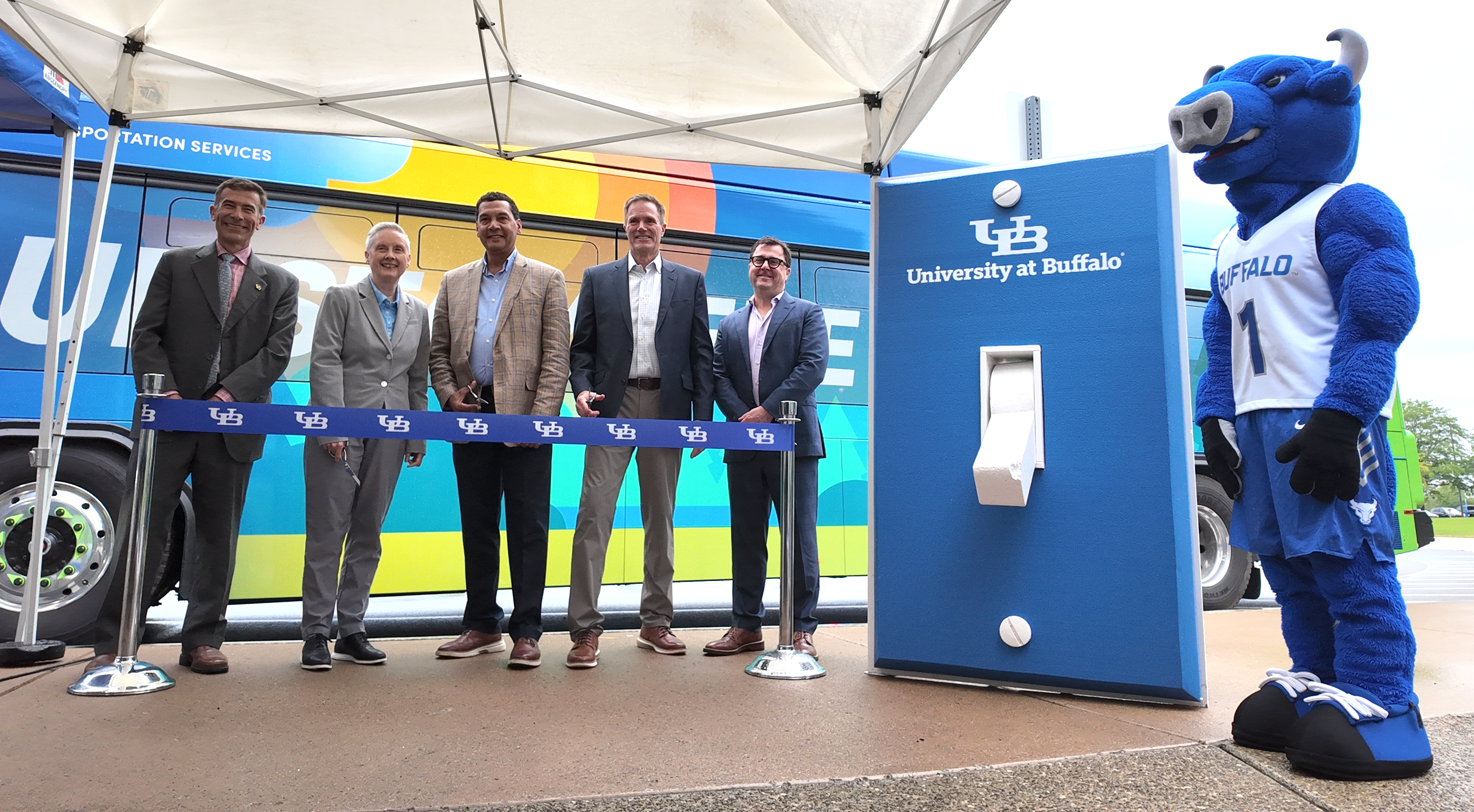
- Lower greenhouse gas emissions, particularly when charged with renewable energy, which UB is increasingly incorporating into its energy mix.
- Reduced noise pollution, creating a more conducive environment for studying and outdoor activities.
- Reduced maintenance requirements, since electric drivetrains have fewer moving parts and do not require oil changes or exhaust system repairs.
- Lower long-term operating costs, despite the higher upfront purchase price, driven by savings on fuel and upkeep.
The university also notes that the buses are equipped with modern amenities to enhance the rider experience. These include low-floor entry for easy boarding, multiple doors for efficient passenger flow, and digital signage to keep riders informed of upcoming stops.
A Sustainable Commitment
The addition of these electric buses is not an isolated action. The University at Buffalo has long positioned itself as a leader in sustainability research and practice. The university has invested in solar arrays, energy-efficient buildings, and campus-wide recycling programs. The electrification of the Stampede Fleet is a natural extension of these efforts, demonstrating institutional commitment in a visible and practical way.
By offering electric transit, the university also provides a living laboratory for students studying environmental science, engineering, urban planning, and related fields. The buses themselves serve as real-world examples of large-scale electric vehicle integration, allowing students to see cutting-edge technology in action.
Furthermore, the transition aligns with New York State's ambitious climate goals. The state has set targets for reducing greenhouse gas emissions and has encouraged the adoption of electric vehicles across public fleets. UB's investment dovetails with these larger policy objectives and sets an example for other universities and transit agencies.
Looking Ahead
With the successful deployment of these eight buses, the University at Buffalo is likely to evaluate further electrification of the Stampede Fleet. The current rollout provides valuable data on performance, efficiency, and passenger acceptance that will inform future procurement decisions. As battery technology continues to improve and charging infrastructure expands, it is plausible that the entire fleet will eventually become fully electric.
The university is also exploring opportunities to expand its electric vehicle charging infrastructure on campus, which would not only support the buses but also encourage electric vehicle use among students and staff. Combined with other sustainability initiatives, these efforts position the University at Buffalo as a forward-thinking institution committed to creating a greener, healthier campus for all.
For now, the eight new buses are ferrying passengers across campus, quietly and efficiently, marking a milestone in the evolution of university transportation. Students and staff alike are already benefiting from a smoother commute and a more sustainable campus, and the future looks even brighter as UB continues to embrace clean energy solutions.
This article is based on reporting by Electrek. Read the original article.
Originally published on electrek.co




