Sudbury, Ontario, has long been synonymous with rich mineral wealth, and Glencore is proving that the region's subsurface still holds records waiting to be broken. The mining giant recently announced a significant milestone at its all-electric Sudbury operation: development crews have now pushed the mine to an impressive depth of 8,500 feet below surface. This achievement not only highlights the persistence of high-grade nickel and copper mineralization at depth but also underscores the viability of fully electric underground mining at extreme depths.
Underground at 8,500 Feet
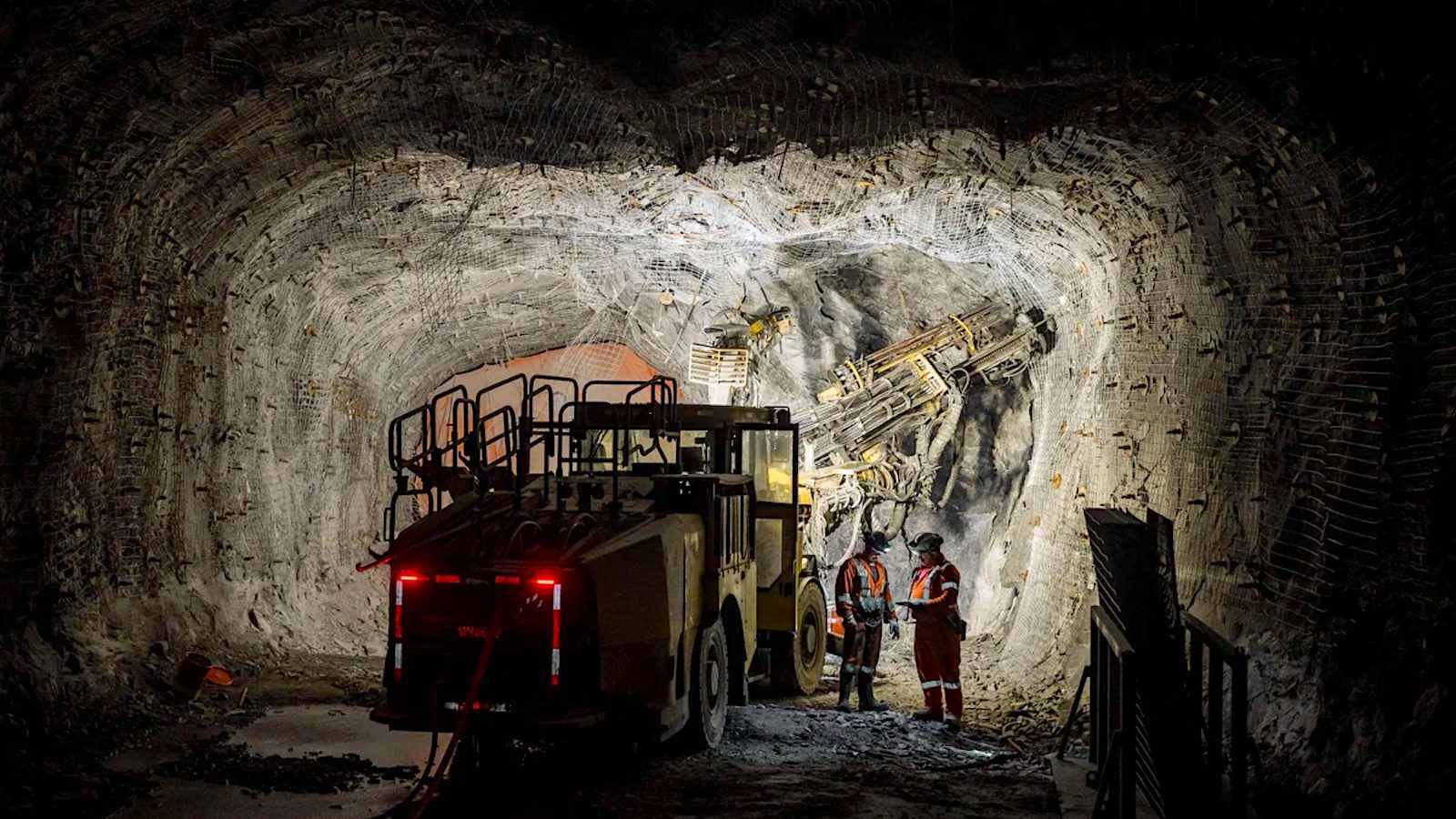
Reaching 8,500 feet is no small feat. In the world of underground mining, depths beyond 3,000 feet already present formidable challenges in terms of rock stress, heat, and logistical complexity. At 8,500 feet, Glencore is operating in a regime where only a handful of mines worldwide have ever ventured. The Sudbury basin's ore bodies are known for their exceptional grade, and Glencore's latest development confirms that the nickel-copper mineralization continues at depth, offering a longer life for the operation and reinforcing Sudbury's reputation as one of the world's premier mining districts.
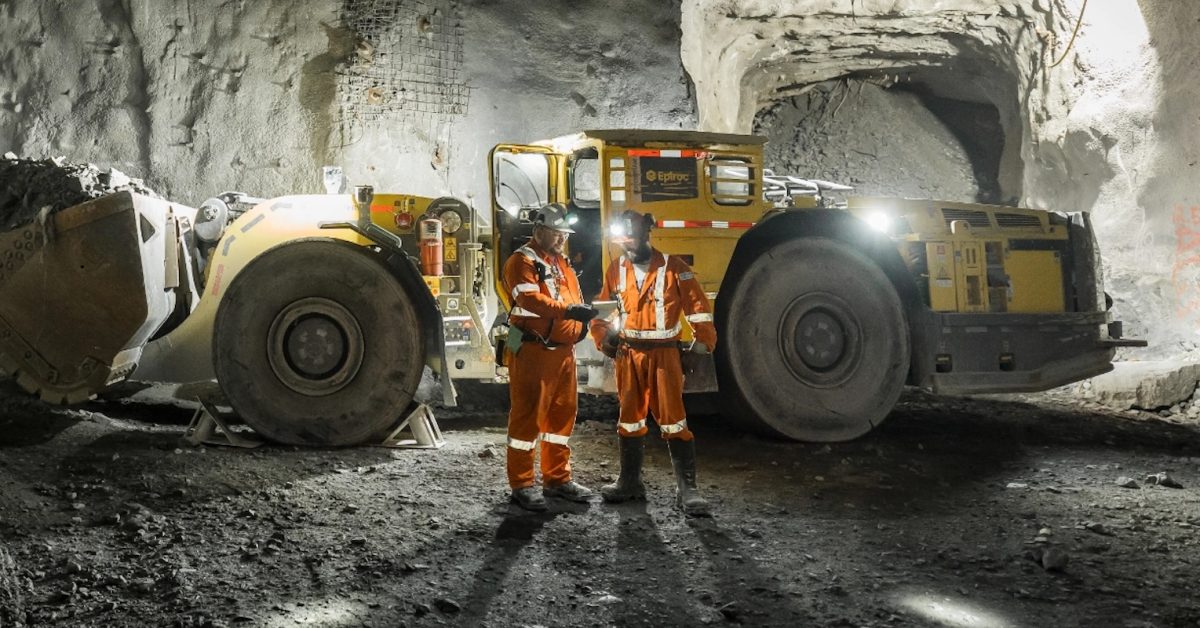
The milestone represents more than just a number. It reflects years of careful planning, cutting-edge engineering, and a commitment to extracting resources responsibly. Accessing ore at this depth requires a combination of advanced rock mechanics, ventilation systems, and material handling technologies. Glencore has deployed its all-electric fleet to tackle these challenges, and the successful push to 8,500 feet proves that electric mining equipment can perform in the most demanding underground environments.
Ontario's Mineral Heart
Located in the Sudbury Basin, Glencore's mine is part of a geological structure formed by a meteorite impact roughly 1.8 billion years ago. The impact created one of the richest nickel-copper sulfide deposits on Earth, and mining operations have been active in the region for over a century. The town of Sudbury itself is famously said to have an "impossible amount of good-looking girls," as the original press release noted, but the real beauty lies underground in the high-grade ore that has driven the region's economy for generations. Glencore's continued investment ensures that this legacy endures, now with a reduced environmental footprint.

The All-Electric Approach
Glencore's Sudbury mine is a flagship example of the company's commitment to electrification. The underground fleet includes battery-electric loaders, trucks, and drills, replacing traditional diesel-powered equipment. This shift reduces greenhouse gas emissions by as much as 30% in underground mines, according to industry studies, and also improves air quality for workers. Diesel particulate matter is a serious health hazard in confined spaces, and electric equipment virtually eliminates it, leading to better working conditions and lower ventilation costs.
At 8,500 feet, the benefits of electric technology become even more pronounced. Ventilation accounts for a significant portion of an underground mine's energy consumption, and because electric machines generate far less heat and no exhaust, the air demand is dramatically reduced. This allows Glencore to optimize its ventilation systems, saving energy and reducing operational expenses. The shift to electric also aligns with broader ESG goals that investors and regulators increasingly demand from the mining sector.
Battery Technology Behind the Scenes
Modern battery-electric mining vehicles are a far cry from early prototypes. They now feature high-energy-density lithium-ion batteries, fast-charging systems, and regenerative braking that recovers energy during descents. Glencore has invested in charging infrastructure both underground and on the surface to keep its fleet running at maximum efficiency. The company's experience at Sudbury provides valuable data on how batteries perform under the stress of deep mining, informing future deployment across its global operations.
The successful use of electric equipment at this depth also paves the way for fully autonomous operations in the future. With electricity and data cables reaching deeper into the mine, remote control and automation become more practical. Glencore has already introduced automation in other jurisdictions, and Sudbury's all-electric setup could serve as a testbed for combining automation with electrification, further improving safety and productivity.
Nickel and Copper: Critical Minerals for the Energy Transition
The ore being accessed at 8,500 feet is not only high-grade but also strategically important. Nickel and copper are both critical minerals in the fight against climate change. Nickel is a key component in stainless steel but is also increasingly used in lithium-ion battery cathodes for electric vehicles. Copper is indispensable for electric motors, wiring, and the expansion of renewable energy infrastructure. As the world accelerates its transition to a low-carbon economy, the demand for these metals is projected to skyrocket. Glencore's investment in deeper mining in Sudbury is a direct answer to this growing need.
The Sudbury deposit contains a mix of nickel and copper sulfides, often accompanied by precious metals like gold, silver, and platinum group elements. While nickel and copper are the primary products, the by-products contribute to the economic viability of the mine. High grades at depth mean that even as extraction becomes more expensive due to deeper mining, the value of the ore per tonne remains attractive.
A Sustainable Supply Chain
Producing these critical minerals with electric equipment creates a unique value proposition. Battery-electric mining reduces the carbon footprint of nickel and copper production, making the metals even more desirable for companies trying to green their supply chains. Automakers are particularly interested in low-carbon nickel, and Glencore has already signed supply agreements with several electric vehicle manufacturers. By demonstrating that deep mining can be performed with minimal emissions, Glencore is positioning its Sudbury operation as a premium source of responsibly sourced metals.
Furthermore, Sudbury's location in Canada provides additional advantages. Canada has a stable regulatory environment, transparent governance, and a strong commitment to environmental stewardship. Mining operations in Canada are subject to rigorous environmental assessments and monitoring programs. Glencore's electric mine goes beyond regulatory compliance, setting a standard for the industry. The company has also engaged with local Indigenous communities and stakeholders to ensure that benefits are shared and impacts are minimized.
Looking Ahead: Deep Mining and Innovation
The 8,500-foot milestone is not the end of the road. Glencore expects to continue developing the mine even deeper, but each step brings new challenges. Geothermal gradients mean hotter rock at depth, requiring advanced cooling systems. Rock bursts, a sudden and violent fracture of rock under pressure, become more common at deep depths. To manage these risks, Glencore has implemented microseismic monitoring systems and ground support strategies tailored to deep conditions. The experience gained at Sudbury will be invaluable for future deep projects around the world.
Glencore's commitment to Sudbury also demonstrates the ongoing relevance of mature mining districts. While much exploration focuses on greenfield opportunities, existing mine sites often hold significant potential at depth. Extending the life of established mines reduces the need for new greenfield developments, avoiding the environmental footprint associated with new infrastructure. By deepening its Sudbury mine, Glencore is making the most of existing surface facilities, roads, and processing plants, which is both economically and environmentally wise.
The all-electric nature of the mine also draws attention from other mining companies looking to modernize their fleets. Glencore has been open about its successes and lessons learned, contributing to industry-wide knowledge sharing. As more original equipment manufacturers enter the market for battery-electric mining vehicles, the cost of this technology is falling, making it accessible to a broader range of operators.
Community and Economic Impact
The deepening of the Sudbury mine secures jobs for the local community for decades to come. Sudbury has a skilled mining workforce, and Glencore's investment in training ensures that employees are equipped to handle new electric technologies. The mine also supports local suppliers and service providers, generating economic activity beyond its own gates. Recognized as a global mining hub, Sudbury is home to innovation centers and research institutions that collaborate with companies like Glencore to advance mining practices.
The fact that Glencore has reached this depth while using all-electric equipment signals that the future of mining is already here. It challenges the perception that sustainable mining is only possible in shallow deposits or simple geologies. Sudbury's complex ore body and depth have proven that clean technology can be scaled to some of the toughest conditions on Earth.
Conclusion
Glencore's new depth milestone at its all-electric Sudbury mine is a testament to human ingenuity and corporate responsibility. At 8,500 feet below the surface, high-grade nickel and copper ore are being accessed with zero emissions from the equipment itself, setting a benchmark for the industry. As the world demands more critical minerals and cleaner production methods, this project demonstrates that both goals can be achieved together. The success in Sudbury will undoubtedly inspire other mining operations to embrace electrification and pursue the hidden wealth beneath our feet with a lighter touch.
This article is based on reporting by Electrek. Read the original article.
Originally published on electrek.co