Google Bets on Finnish Nuclear Power for Two Decades
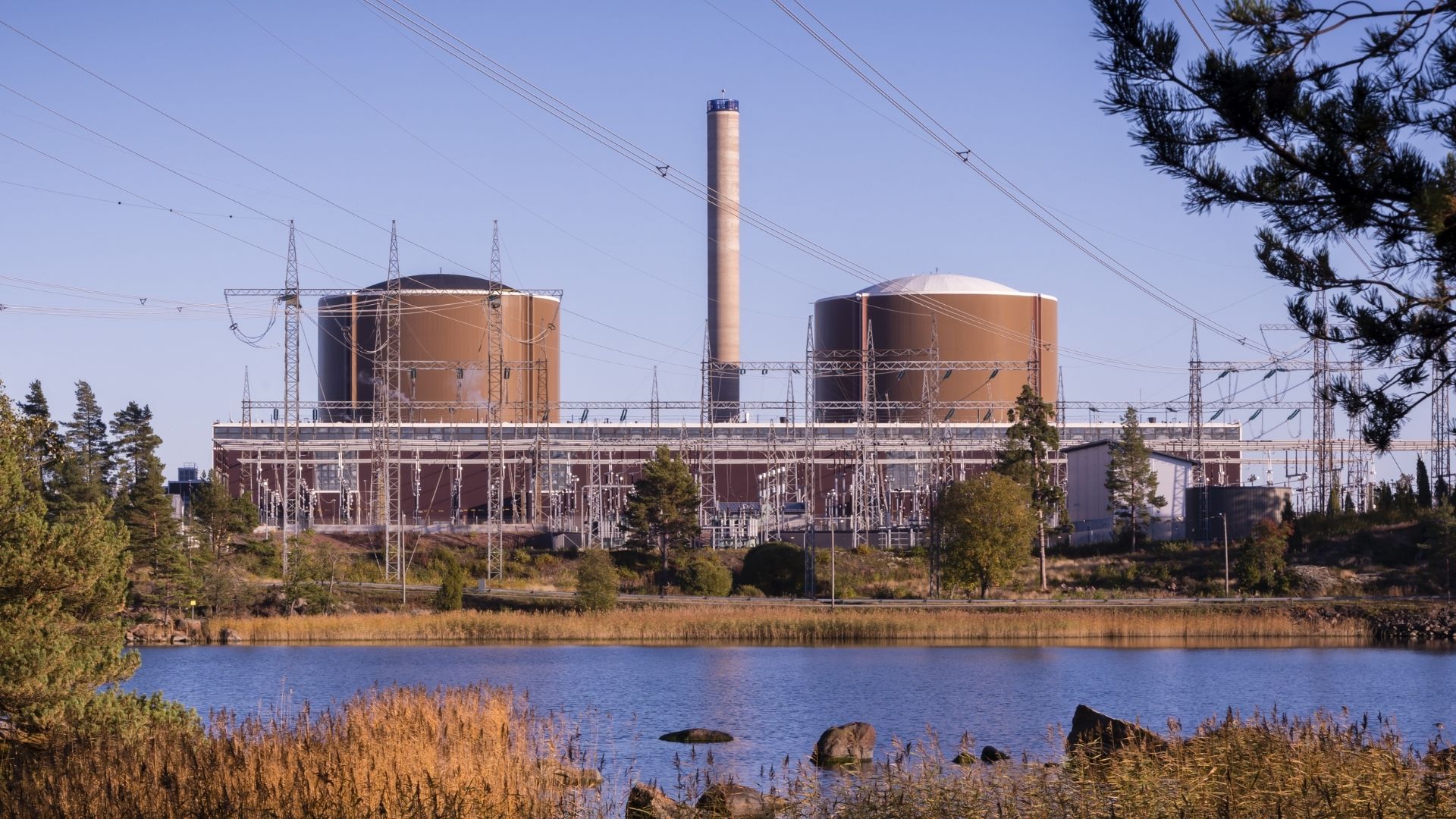
Google has signed a long-term power purchase agreement with Finnish energy company Fortum covering electricity generated at the Loviisa nuclear power plant. The contract runs for 20 years, making it one of the longest corporate electricity commitments of its kind and tying a major technology buyer to a single nuclear site in the Nordic region.
The arrangement is notable less for its size than for its shape. Rather than buying unbundled renewable energy certificates or short-term hedging products, Google is contracting for firm, dispatchable, low-carbon output over a horizon that stretches well into the 2040s. For a company whose electricity appetite is growing alongside its data centre and artificial intelligence workloads, that kind of certainty is increasingly seen as the prize.
What the Fortum Agreement Actually Covers
Under the deal, Fortum will supply Google with electricity sourced from Loviisa under a power purchase agreement lasting two decades. PPAs of this structure typically give the corporate buyer long-term price visibility and, in many markets, the ability to claim the environmental attributes of the generation it is paying for.
- Buyer: Google, one of the world's largest corporate purchasers of clean electricity.
- Seller: Fortum, the Finnish utility that operates the Loviisa plant.
- Product: Electricity from an existing nuclear facility, contracted on a 20-year term.
- Geography: Finland, a Nordic market already dominated by low-carbon generation.
Because Loviisa is an operating plant rather than a proposed one, the electrons are available now. That distinguishes the deal from the wave of announcements in which technology companies have agreed to buy power from reactors that would need to be restarted or newly built before a single megawatt-hour flows.

Why a Hyperscaler Wants Nuclear Electricity
The intermittency problem
Data centres run around the clock. Wind and solar farms do not. As technology companies have grown their fleets of servers, the mismatch between when renewable generation peaks and when computing demand peaks has become a structural problem rather than a rounding error. Batteries can shift energy across hours, but not reliably across the days of low wind and high cloud that Nordic winters can deliver.
Nuclear reactors supply what grid planners call firm capacity: output that is available regardless of weather, season, or time of day. For an operator trying to match hourly consumption with hourly carbon-free production, that attribute is difficult to replace.
The 24/7 carbon-free energy goal
Google has been explicit about its ambition to run on carbon-free energy every hour of every day, in every region where it operates. Annual matching — buying enough renewable certificates to cover yearly consumption — is a much easier target. Hourly matching requires either storage at a scale that does not yet exist economically, or generation that simply never stops. Nuclear sits firmly in the second category, which helps explain why long-dated nuclear contracts have moved from the margins of corporate procurement to its centre.
What Loviisa Brings to the Table
Loviisa sits on Finland's southern coast and is the country's longest-serving nuclear site, having generated electricity since the late 1970s and early 1980s. Fortum has invested steadily in modernising the plant's two reactor units, and operating life extensions have kept them contributing to the national grid well beyond their original design horizons.
Its value to a buyer like Google is cumulative:

- It produces large volumes of low-carbon electricity continuously, rather than in weather-dependent bursts.
- It is already licensed, staffed, and connected to a modern transmission network.
- Finland's grid benefits from hydropower, wind, and nuclear together, which supports relatively low carbon intensity overall.
- Long-term operation spreads fixed costs across decades, which can make contracted pricing attractive to both parties.
For Fortum, the appeal runs in the opposite direction. A 20-year offtake arrangement converts merchant risk into contracted revenue, giving the operator a more predictable financial base as it plans maintenance, upgrades, and eventual life-extension decisions.
Finland's Electricity Mix and the Nordic Advantage
Finland has spent years deliberately reducing the carbon intensity of its power supply, and nuclear has been central to that effort. The country's grid already runs on a large share of low-carbon sources, which means a corporate buyer contracting Finnish nuclear output is not displacing coal generation so much as deepening an existing clean baseline.
That matters for how the deal should be judged. In markets still heavily reliant on fossil fuels, a nuclear PPA can deliver substantial emissions reductions. In a system that is already largely decarbonised, the benefit is more about firmness and price stability than about avoided tonnes of carbon dioxide. Both are legitimate reasons to sign, but they are different ones.
A Wider Corporate Shift Toward Nuclear
The Google–Fortum agreement fits a broader pattern. Over the past several years, large technology firms have moved from buying renewable energy in general to pursuing nuclear power specifically, motivated by the same forces: soaring electricity demand from data centres and AI training, corporate climate targets that are measured hourly rather than annually, and a recognition that wind and solar alone cannot cover every hour of load.
Existing reactors have become attractive targets because they can deliver quickly. Restarts, uprates, and life extensions require far less time than greenfield construction, and they arrive with operating histories and regulatory relationships already in place. The trade-off is that the supply of available existing nuclear capacity is finite, which tends to push prices up as more buyers compete for the same output.
Risks and Open Questions
Twenty-year contracts are not without complications. A great deal can change over two decades, and both parties are making assumptions about technology, regulation, and market design that may not hold.
- Price risk: If wholesale electricity prices fall sharply, a long-term fixed agreement can look expensive for the buyer.
- Regulatory risk: Continued operation of any reactor depends on licences, safety reviews, and political consent.
- Accounting scrutiny: Regulators and researchers have grown more sceptical of how corporate clean-energy claims are calculated, particularly around hourly versus annual matching.
- Supply constraints: As more hyperscalers seek firm low-carbon power, competition for limited nuclear output may intensify.
There is also a structural question the deal does not answer: whether long-term corporate offtake can meaningfully support new nuclear construction, or whether it will mostly reshuffle claims over reactors that already exist. The first would expand the clean firm supply available to everyone. The second mainly reallocates it.
What to Watch Next
The clearest signals will come from how Google and Fortum describe the agreement in the months ahead — specifically whether the electricity is matched hourly, how the environmental attributes are retired, and whether the contract structure becomes a template for other markets. If similar 20-year arrangements follow in Finland and elsewhere in the Nordics, it will suggest that firm nuclear output has become a standard building block of corporate energy strategy rather than an experimental one.
For now, the headline is straightforward: a technology giant has committed to buying electricity from a Finnish nuclear plant for the next two decades, betting that reliability, not just renewability, is what its operations will need most.
This article is based on reporting by Interesting Engineering. Read the original article.
Originally published on interestingengineering.com




