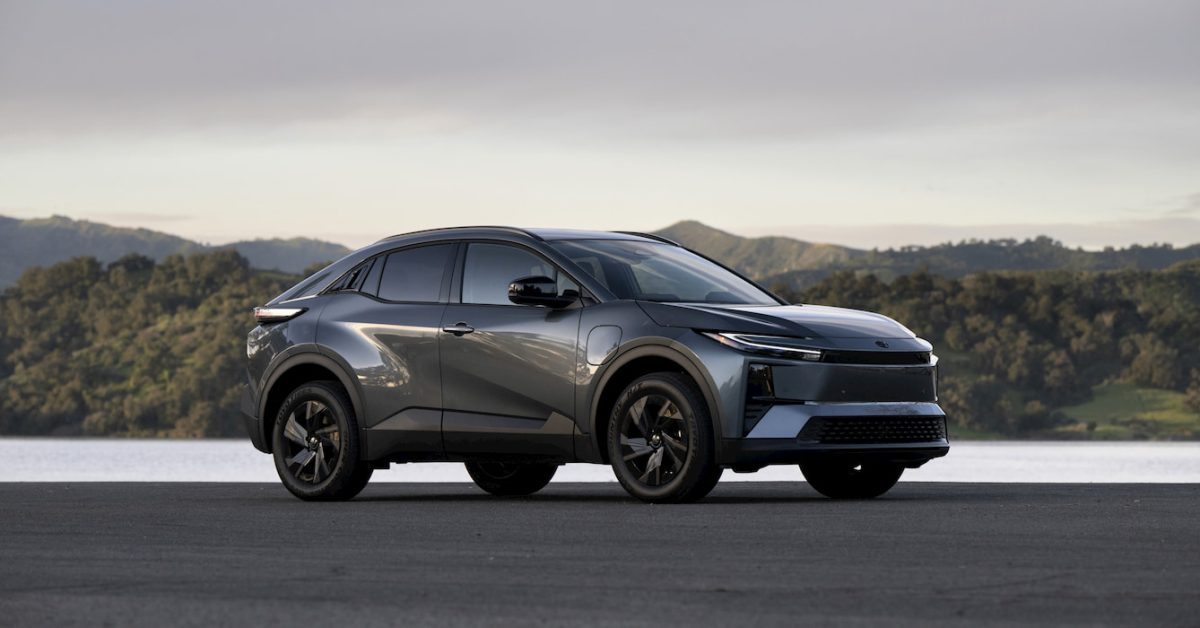
Toyota is recalling approximately 10,000 units of its electric C-HR SUV after the discovery of a software glitch that could make the vehicle abruptly lose drive power while on the road. The initial report, published by Electrek on September 9, 2026, indicates that the affected vehicles are battery-electric versions of the C-HR crossover. No other model variants were mentioned in the announcement.
What the Recall Covers
The recall targets the fully electric variant of Toyota's C-HR. According to the information available, about 10,000 vehicles are involved. It is not yet known which model year or production period these vehicles come from, nor whether the recall covers all markets where the electric C-HR is sold. The source did not provide VIN ranges, a timeline for owner notifications, or any other technical specifics.
The report does, however, make clear that a software error lies at the heart of the problem. The flaw is severe enough that it can interrupt the flow of power to the wheels, leaving the driver without acceleration. This type of condition is generally treated seriously by regulators and automakers because sudden loss of propulsion can create a crash risk.

Why Losing Power While Driving Is Dangerous
A loss of engine power in any vehicle can be alarming and hazardous. For an electric vehicle, the torque delivery is instant and constant when operating normally. If the software glitch kills that torque mid-drive, the car's speed will begin to drop noticeably. The driver might lose the ability to merge onto a freeway, climb an incline, or move through an intersection efficiently.
Additionally, some vehicle safety systems rely on the drive system's readiness. While the report does not indicate whether the glitch affects steering or braking, the sudden loss of motive power can itself place occupants in a vulnerable position. Even if the vehicle is brought to a safe stop, there is a possibility that it will need to be restarted before it can move again. Drivers who are not prepared for such an event might panic, which can contribute to collisions.

The Likely Remedy
Software-related recalls in automobiles are typically resolved with a corrected software update. If the electric C-HR is equipped with over-the-air update capability, Toyota may be able to push the fix directly to the vehicles without requiring a trip to the dealership. But if that capability is not available for the relevant systems, technicians would need to install the updated software at a service center.
Toyota has not yet specified the exact remedy for this glitch. In many cases, an automaker would file a defect report with national safety agencies, communicate the recall to owners, and make arrangements for free repairs. Since this announcement is still early in the process, customers should anticipate official instructions from Toyota or regional safety authorities.
Recommended Actions for Owners
Until a definite resolution is issued, owners of these affected vehicles should take a few precautionary steps:
- Stay alert for official recall notices from Toyota or from the local road-safety authority in your country. Such notices typically arrive by mail or through the automaker's owner portal.
- If you are concerned that your vehicle might be included, contact a Toyota dealership with your VIN. They can often confirm whether a recall applies and schedule a fix once parts are ready.
- If your vehicle suddenly loses power while you're driving, remain calm. Gently assist the car to the side of the road when it is safe, turn on your hazard lights, and call for roadside assistance.
- Do not attempt to resolve a software safety issue on your own. Tampering with vehicle software can void warranties and may make the car less safe.
It is important to remember that recalls are a sign of a manufacturer acting on a safety concern and are not necessarily an indication that every affected car will experience the issue. Many recall problems are found in only a small percentage of vehicles, but the risk taken collectively is enough to justify the action.
Software Complexity in the EV Era
Electric vehicles are supported by thousands of lines of code that control the motor speed, battery output, and many other functions. This software can often be updated over time, but it also introduces a new dimension of potential failure that was less common in older, purely mechanical cars. The electric C-HR recall demonstrates that automakers must test not only hardware for durability but also carefully scrutinize software logic, especially fault detection and fail-safe routines.
The fact that a software quirk could be serious enough to require a recall is a reminder that automotive software has evolved into a component as critical as the battery pack or the tires. Automakers are still developing best practices for software validation and for pushing out fixes through remote interfaces. When an event like this occurs, it becomes a learning opportunity for the industry.
A Proactive Safety Step
The decision by Toyota to recall roughly 10,000 electric C-HR models suggests that the company's engineers have identified a scenario that could genuinely put drivers at risk. By issuing a recall quickly, the automaker aims to repair the flaw before it causes serious injuries. The initial report does not describe any crashes or injuries already linked to the problem, but the lack of confirmed incidents does not reduce the importance of the recall.
For Toyota customers, privacy concerns are less important than convenience. Purchasing an electric vehicle comes with expectations of reliability and safety, and a recall for a software defect that can cut power is unusual enough to capture attention. Owners of the affected model should monitor communication channels from Toyota, and if contacted, respond promptly to schedule a repair.
Over time, the company will presumably reveal more details about the affected VIN range and the precise fix schedule. Until then, drivers should be aware of the symptoms described in the announcement, which could help them react safely if their vehicle does suffer a loss of power while on the road.
Recalls of this nature are often minor in scope, but they highlight the broader challenges and responsibilities that come with software-defined vehicles. As EVs become more connected and more capable of over-the-air updates, the automotive world will need to develop robust methods to ensure safety without undermining the very innovation that makes these features possible.
The fact that Toyota is recalling only about 10,000 electric C-HR units points to a relatively targeted issue. Still, the potential consequences of a sudden power loss are serious enough to justify the action. Whether the fix will reach the vehicles weeks or months from now remains to be seen, but the recall signals progress in a fast-changing automotive environment.
This article is based on reporting by Electrek. Read the original article.
Originally published on electrek.co




