Pakistan’s solar surge is changing how the country uses energy
Pakistan’s fast expansion of distributed solar is doing more than cutting fuel use or easing pressure on the grid. According to a new report from Ember and Renewables First, the country’s rooftop and behind-the-meter solar boom has been large enough to push total electricity demand sharply higher in just two years. That matters because it changes the usual story around solar adoption in emerging markets: instead of simply substituting for existing power consumption, distributed solar in Pakistan appears to be unlocking demand that had long been suppressed.
The report argues that official statistics have not fully captured the scale of the shift because they largely overlook distributed solar. By rebasing Pakistan’s energy statistics to include that missing contribution, the authors conclude that the country’s energy system has undergone a significant structural change. In their telling, distributed solar has become a major engine of electrification, bringing Pakistan close to the global average in the share of final energy demand met by electricity.
What the report says changed between FY23 and FY25
The most striking figure in the report is the growth in overall electricity demand. From fiscal year 2023 to fiscal year 2025, Pakistan’s total electricity demand rose by 21%, equivalent to 33 terawatt-hours. The report says distributed solar generation increased by 36 terawatt-hours over the same period, leading its authors to conclude that the entire increase in electricity demand was effectively driven by the solar buildout.
That is an important distinction. In many energy transitions, efficiency gains or fuel switching can reduce grid demand even as cleaner generation rises. Here, the claim is different: distributed solar helped create the conditions for people and businesses to use more electricity overall. In other words, solar was not just displacing other sources. It was enabling additional consumption.
The report says this shift raised Pakistan’s electrification rate to 21.7% in FY25, narrowly below the global average of 22.0%. Over the same period, non-electricity energy use rose by only 2%. That contrast supports the authors’ broader conclusion that distributed solar met nearly all of the country’s energy demand growth, not only its electricity demand growth.

Why higher electricity demand can be a sign of progress
Rising electricity demand is often treated as a warning sign for utilities or fuel planners, but in this case the report frames it as evidence of pent-up demand finally being served. In economies where high prices, unreliable supply, or weak infrastructure have constrained energy access, more electricity use can reflect improvements in productivity, comfort, and resilience.
The report’s interpretation is that Pakistan had substantial unmet energy needs across multiple sectors. Solar’s speed of deployment and declining cost allowed households, farms, and businesses to increase usage in ways that traditional energy systems had not supported. That makes the story less about technology substitution alone and more about the relationship between distributed generation and economic behavior.
It also suggests that electrification targets may be easier to approach when new supply can be deployed close to where energy is consumed. That is especially relevant for countries where centralized generation, fuel imports, and grid bottlenecks have made conventional power expansion too slow or too costly.
Sector by sector, the report sees broad effects
The report says distributed solar has helped electrify nearly every part of Pakistan’s economy. In agriculture, it says solar has displaced diesel and some grid electricity, altered irrigation economics, and enabled farmers to pump more water than before. That points to a potentially significant change in how farms manage operating costs and equipment use.
In industry, the report says solar has filled a gap created by the collapse of captive gas and coal, offering companies a pricing advantage. If that finding holds broadly, it would mean distributed generation is not merely a backup resource for factories but an increasingly central part of industrial energy strategy.
For households, the report says solar unlocked electricity consumption that had been suppressed by high tariffs and load shedding. It specifically points to growth in appliance use, including cooling. In a hot climate, increased access to cooling can have direct economic and health implications, even if the report itself focuses mainly on energy statistics rather than those downstream effects.
Commercial users, meanwhile, are described as having absorbed demand growth through solar without proportionate exposure to grid tariffs. That could help explain why distributed solar has spread so quickly: it offers not just resilience, but a way to manage cost volatility in an economy where energy pricing has been a persistent concern.
Transport remains the next big opening
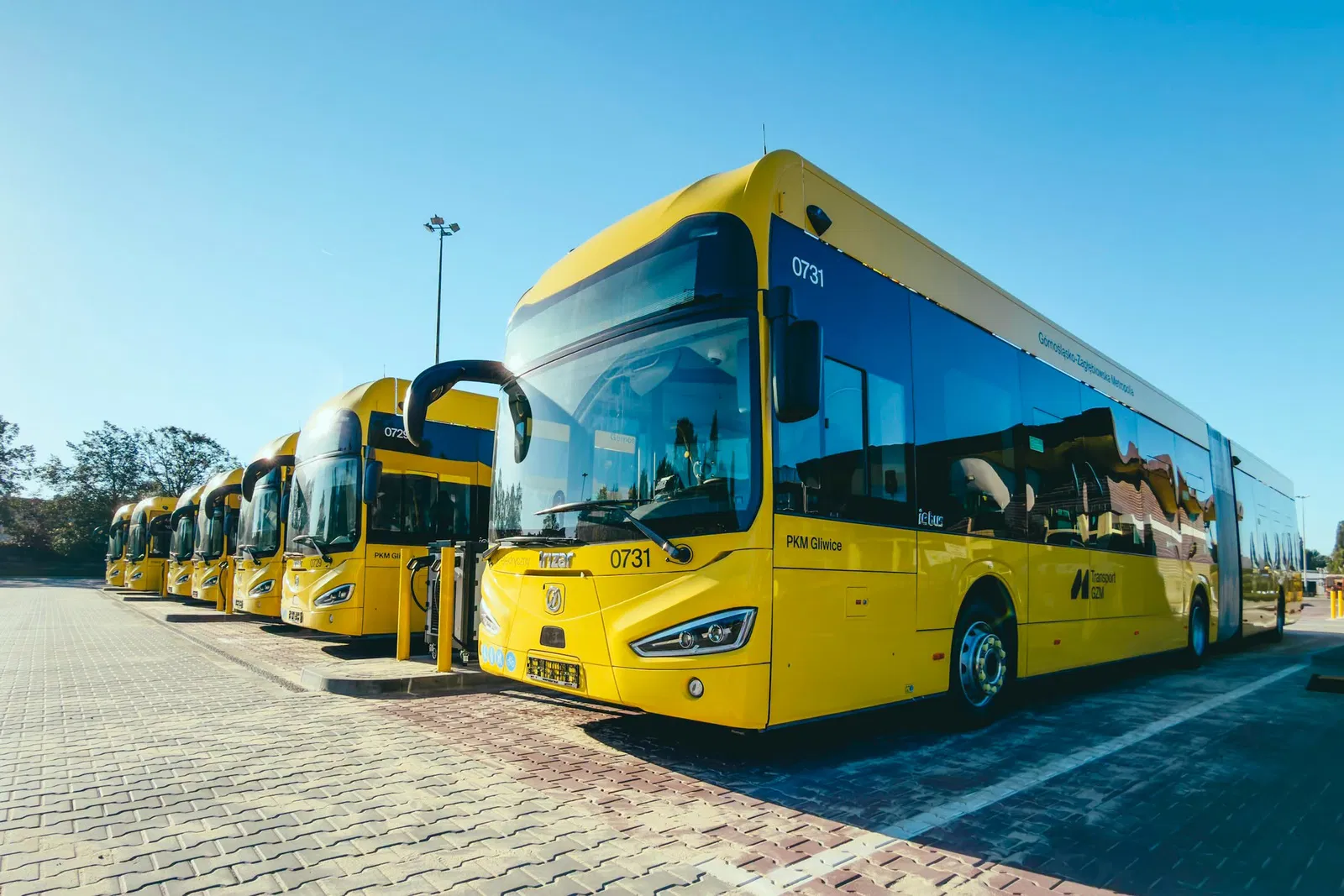
The report says transportation has so far been largely untouched by this wave of electrification. That makes it the next major frontier if Pakistan’s solar-led shift continues. Electrifying transport would require more than rooftop generation alone, including vehicles, charging infrastructure, and supportive policy, but the report’s broader message is that a foundation is already being laid by rising electricity use elsewhere in the economy.
The timing also matters. The report was released shortly after the launch of the Electrify Now campaign, in which civil society groups are urging energy ministers to move faster toward a 35% electrification rate by 2035 laid out in the COP31 Action Agenda. The new findings give those advocates an empirical argument: faster electrification may not be a distant aspiration if distributed solar is already pulling demand upward at scale.
Why this matters beyond Pakistan
The report’s implications extend past one national market. Many emerging economies face the same mix of weak grids, expensive fossil fuels, unreliable service, and latent demand. Pakistan’s case, as presented here, suggests that cheap and rapidly deployable distributed solar can do more than decarbonize existing usage. It can expand access to energy services and accelerate electrification without waiting for every bottleneck in centralized infrastructure to be solved first.
That does not answer every question. The excerpt provided does not detail financing structures, grid integration challenges, regional variation, or how durable the demand increase will be over time. But on the evidence cited, the direction of travel is clear: distributed solar has become a major force in Pakistan’s energy economy, and its impact is better understood as demand creation as much as fuel replacement.
If that interpretation proves robust, Pakistan offers an instructive example for policymakers across the developing world. The central lesson is not simply that solar can be built quickly. It is that when electricity becomes more available and affordable, people tend to use more of it, and that can reshape an economy faster than official data initially reveals.
This article is based on reporting by CleanTechnica. Read the original article.
Originally published on cleantechnica.com