Introduction: A Surprising Surge
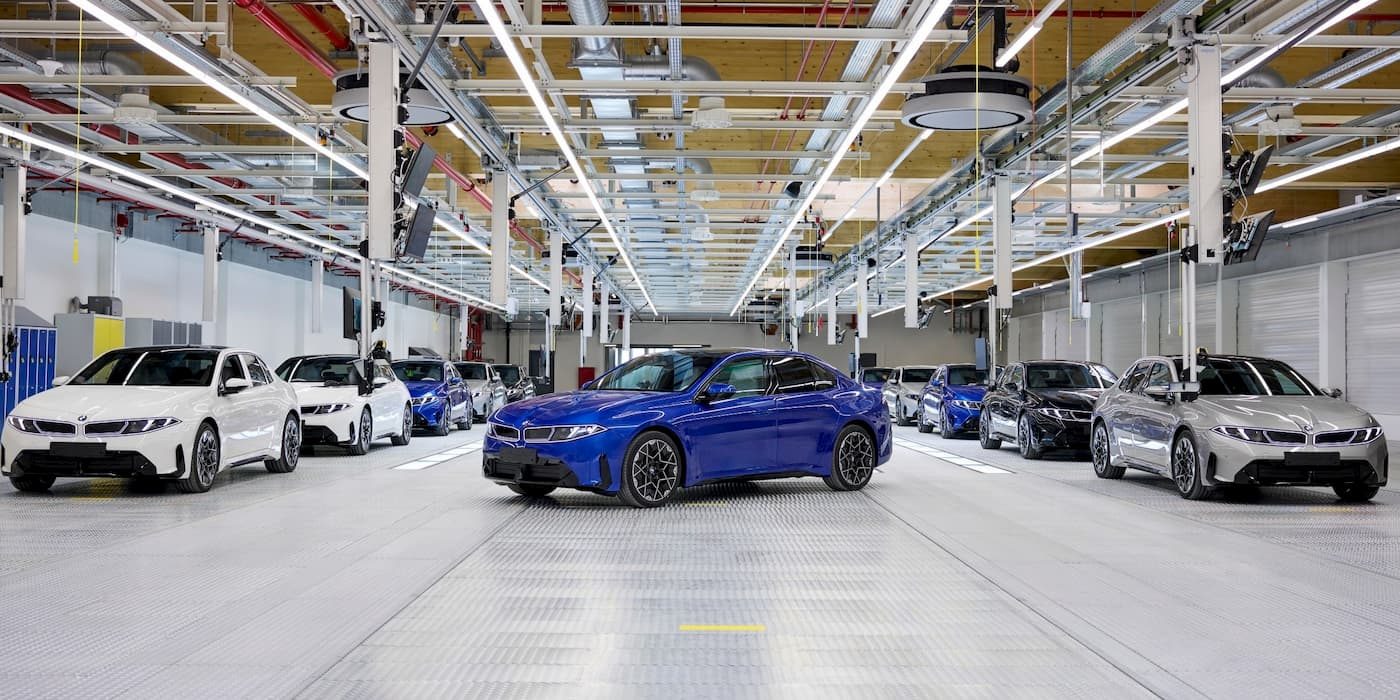
In a move that underscores the accelerating shift toward electric mobility, BMW has announced it is fast-tracking production of its new i3 electric hatchback. The decision comes after the company opened orders earlier than planned, only to be met with a wave of demand that exceeded even the most optimistic internal forecasts. This ramp-up is not just a logistical adjustment; it is a strategic signal that the automotive giant sees a pivotal moment in the EV transition.
Why Demand Outpaced Expectations
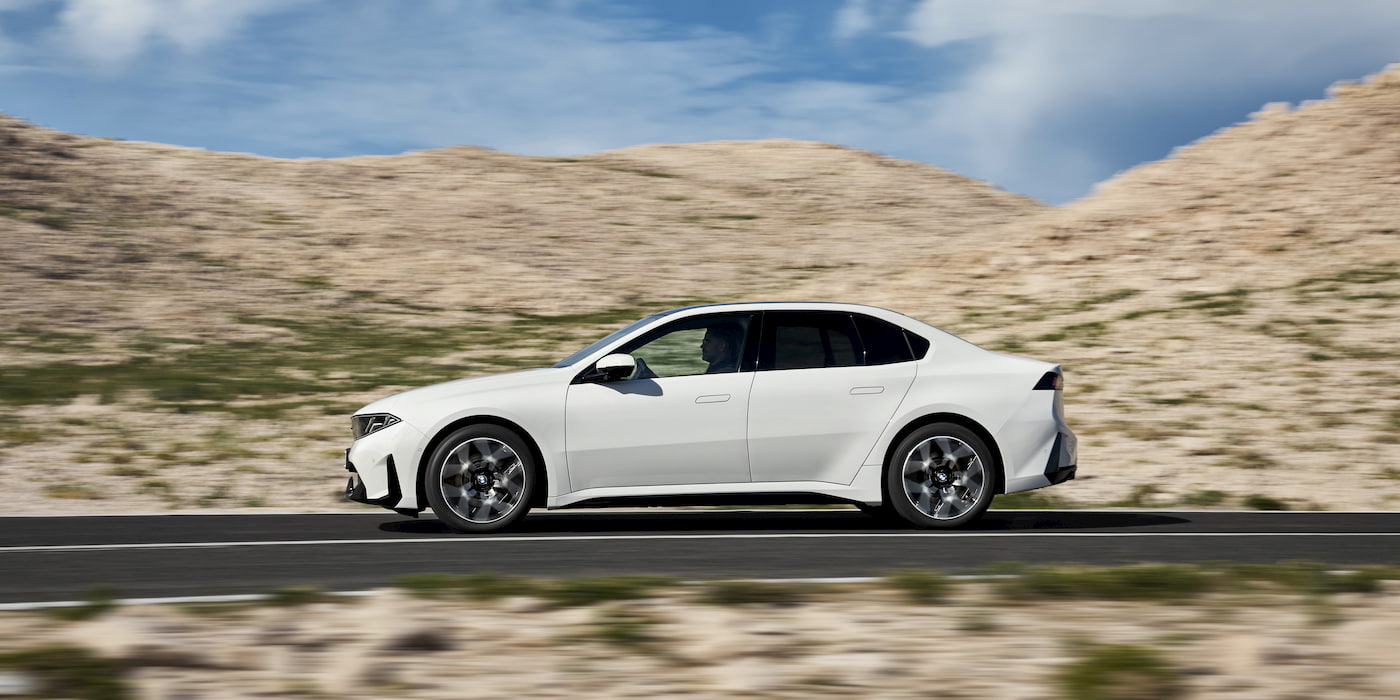
The i3, a nameplate that originally debuted as a pioneering urban EV in 2013, has been reinvented for a new era. The latest iteration combines a sleek, modern design with improved range, faster charging, and a more accessible price point. Industry analysts point to several factors driving the surge: rising fuel costs, growing environmental consciousness, and the appeal of a compact EV that fits seamlessly into city life. But perhaps the most significant driver is the shifting consumer mindset—buyers are no longer viewing EVs as a compromise, but as a desirable choice.
BMW's early order opening was intended to gauge interest and build a pre-order pipeline. Instead, it revealed a pent-up demand that has forced the company to accelerate its production timeline. The company has not disclosed exact order numbers, but insiders suggest that the volume has been substantial enough to warrant a major operational shift.
Production Ramp-Up: What It Means
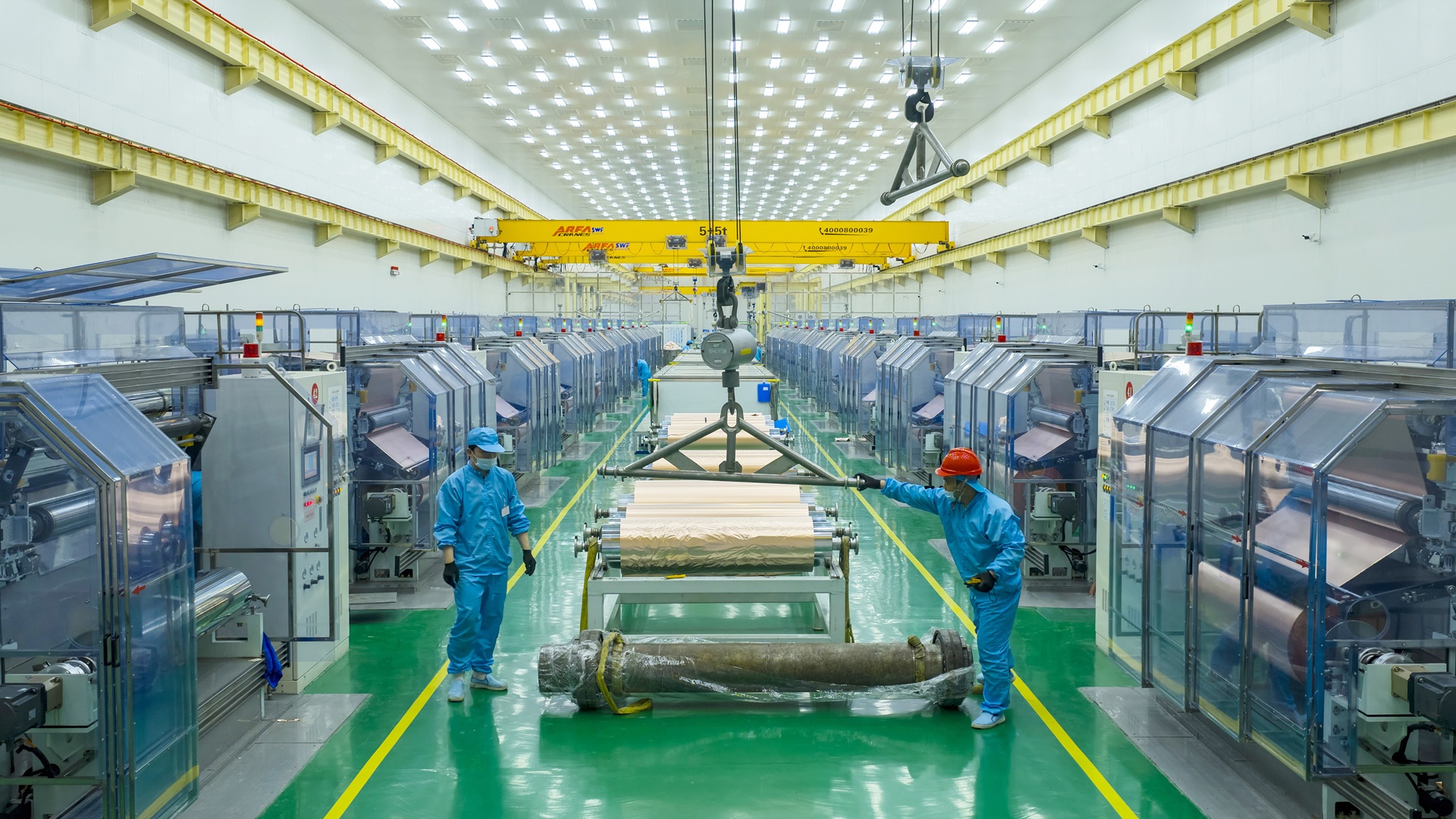
Fast-tracking production is no small feat. It involves coordinating supply chains, adjusting factory schedules, and ensuring that battery and component supplies can keep pace. BMW's Leipzig plant, which is the primary production site for the i3, is expected to operate at increased capacity, potentially adding shifts and streamlining assembly processes. The company has also hinted at working closely with battery suppliers to secure the necessary cells, a critical bottleneck in the EV industry.
This ramp-up is a double-edged sword. On one hand, it allows BMW to capitalize on the demand wave and shorten delivery times for eager customers. On the other, it puts pressure on the company's ability to maintain quality and manage costs. However, BMW's experience in EV manufacturing, having produced the original i3 for nearly a decade, gives it a distinct advantage in scaling up efficiently.
Market Context: A Changing EV Landscape
The i3's success comes at a time when the global EV market is experiencing unprecedented growth. Governments worldwide are implementing stricter emissions regulations and offering incentives for EV adoption. Automakers are racing to expand their electric lineups, and consumers are increasingly viewing EVs as a mainstream option. The i3's strong reception is a testament to BMW's ability to adapt to these trends while staying true to its brand identity.
Competitors are taking note. The i3 faces stiff competition from the likes of the Tesla Model 3, the Volkswagen ID.3, and a host of new entrants from Chinese manufacturers. Yet, the i3's unique blend of premium design, driving dynamics, and sustainability credentials appears to be resonating with a specific segment of buyers who value both style and substance.

Implications for BMW's EV Strategy
The decision to fast-track i3 production is likely part of a broader strategy to strengthen BMW's position in the electric vehicle market. The company has committed to having fully electric versions of its core models by 2030, and the i3 serves as a halo product that showcases its technological prowess. By responding quickly to demand, BMW is demonstrating agility and a customer-centric approach that could pay dividends in brand loyalty.
Moreover, the ramp-up could have ripple effects across BMW's supply chain and manufacturing operations. It may lead to investments in new production technologies, workforce expansion, and even the development of dedicated EV platforms. The lessons learned from the i3's success could inform future model launches, ensuring that BMW remains competitive in an increasingly crowded field.
Challenges Ahead
While the news is largely positive, BMW faces several challenges in executing this ramp-up. Supply chain disruptions, particularly in semiconductor chips and battery materials, remain a persistent risk. The company must also navigate the logistical complexities of shipping vehicles to global markets, especially as demand is not evenly distributed. Additionally, the fast-tracked production could strain dealer networks and after-sales support, which are critical to maintaining customer satisfaction.
Another challenge is the potential for cannibalization. As the i3 gains popularity, it may draw sales away from BMW's other electric models, such as the i4 and iX. However, the company likely views this as a positive problem, as it indicates a strong overall demand for its EV lineup.
What This Means for Consumers
For consumers, the fast-tracked production is good news. It means shorter wait times for those who have already placed orders, and it signals that BMW is committed to making the i3 widely available. The company has also announced that it will be expanding the i3's availability to new markets, which could open up the model to a broader audience.
Early adopters have praised the i3 for its nimble handling, comfortable interior, and impressive range. With production ramping up, more drivers will have the opportunity to experience these qualities firsthand. The increased volume may also lead to more competitive pricing and better availability of options and trims.
Conclusion: A Bold Bet on Electric Mobility
BMW's decision to fast-track i3 production is a bold bet on the future of electric mobility. It reflects a growing confidence in the EV market and a willingness to adapt to changing consumer preferences. As the automotive industry undergoes a historic transformation, BMW is positioning itself as a leader, not a follower. The i3's success is a clear indicator that the demand for electric vehicles is not just a passing trend, but a fundamental shift in how we think about transportation.
In the coming months, all eyes will be on BMW's production numbers and delivery timelines. If the ramp-up goes smoothly, it could set a new benchmark for how automakers respond to market signals. For now, the message is clear: BMW is all in on electric, and the i3 is leading the charge.
This article is based on reporting by Electrek. Read the original article.
Originally published on electrek.co