Data Centers and Utilities Are Negotiating a New Tradeoff
The rapid buildout of AI-driven data centers is forcing a change in how large power users connect to the grid. Instead of treating new data-center demand as a fixed and inflexible load, utilities, grid operators and developers are increasingly exploring agreements that would let those facilities reduce or shift electricity use at key moments. In return, the projects could get connected faster.
That is the central shift described in new reporting on U.S. interconnection discussions, where the pressure is now coming from both sides. Hyperscalers want speed-to-power because their cloud and AI businesses are expanding quickly. Utilities want to accommodate that growth without worsening reliability problems or raising costs for other customers more than necessary. The emerging compromise is flexibility.
The idea is straightforward: if a large facility can tolerate short periods of reduced consumption, delayed ramp-up, or other operational controls during stressed grid conditions, then it becomes easier for utilities to plan around the load and potentially approve service sooner. For the data-center sector, that can shorten one of the most painful bottlenecks in project development. For the grid, it can turn a politically sensitive new demand source into a controllable resource.
Why Flexibility Has Moved to the Center of the Debate
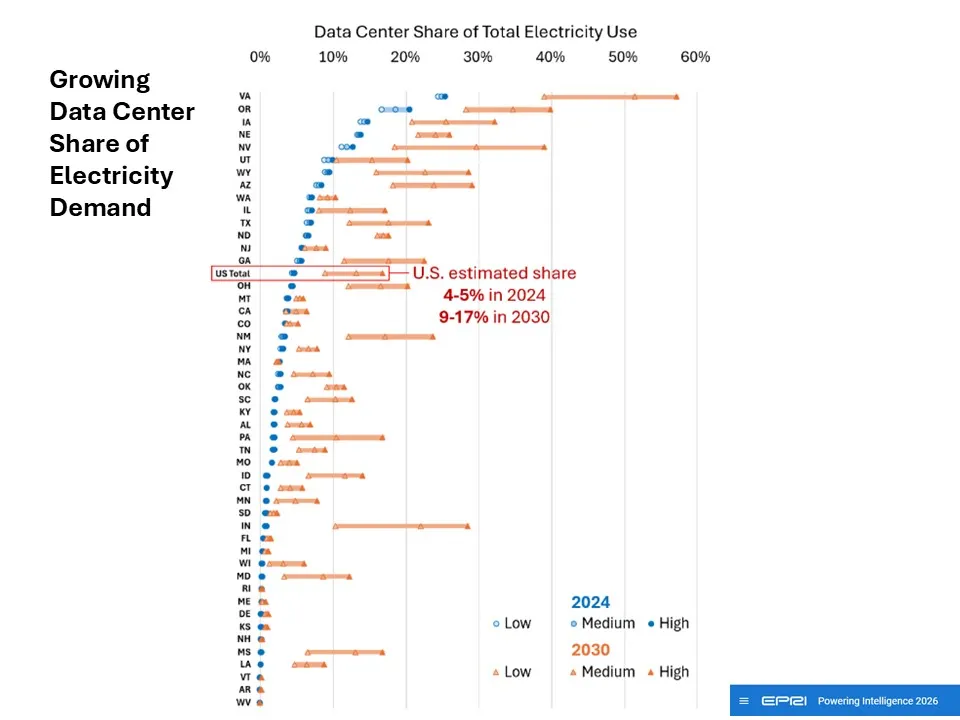
The timing matters. Electricity demand is rising again after years of relative stagnation, and AI infrastructure is a major reason. Utility Dive cited research group Halcyon’s reporting that from the first quarter of 2025 to the first quarter of 2026, Amazon Web Services grew 28%, Microsoft Azure grew 40% and Google Cloud revenue rose 63%. Growth at that scale requires more compute, and more compute requires more energized infrastructure.
At the same time, the power system is dealing with affordability concerns, reliability constraints and long waits for transmission and interconnection upgrades. That combination has made data centers a flashpoint. Communities and regulators are increasingly worried that the rush to serve large new loads could push bills higher for everyone else or force expensive infrastructure investments on compressed timelines.
Flexibility is being presented as a way to reduce that tension. According to the report, a 2026 Duke University Nicholas Institute study found that even a 1% to 2% reduction in data-center peak demand could lower electricity rates by 0.5% to 2.8% while also helping reliability. That is a notable finding because it suggests the benefits do not require dramatic cuts. Small, well-timed demand adjustments could produce outsized system value.
The North American Electric Reliability Corp. has also acknowledged the role flexibility can play in managing large-load risks. And the Federal Energy Regulatory Commission added momentum on June 18 with an order directing system operators to provide transmission for flexible large loads. That does not settle the technical or contractual questions, but it signals that federal policy is starting to adapt to a grid where very large customers may need to behave differently from traditional industrial loads.
What Utilities and Developers Want
For data-center operators, the key objective is speed. AI infrastructure economics reward getting capacity online quickly. Delays in energization can postpone revenue, product rollout and competitive positioning. If a developer can accept some operational constraints in exchange for a shorter path to service, that may be preferable to waiting years for full grid upgrades.
Utilities, meanwhile, want predictability and control. They need to know that any promised flexibility is real, measurable and enforceable when system conditions deteriorate. A paper commitment is not enough if local reliability depends on a facility actually reducing load during a peak event or transmission constraint.
That is why the current discussions are less about whether flexibility is useful than about how it should be defined. The remaining challenge, according to experts cited in the report, is establishing common operating guidelines between risk-averse utilities and impatient data-center operators.
Those guidelines could eventually cover issues such as:
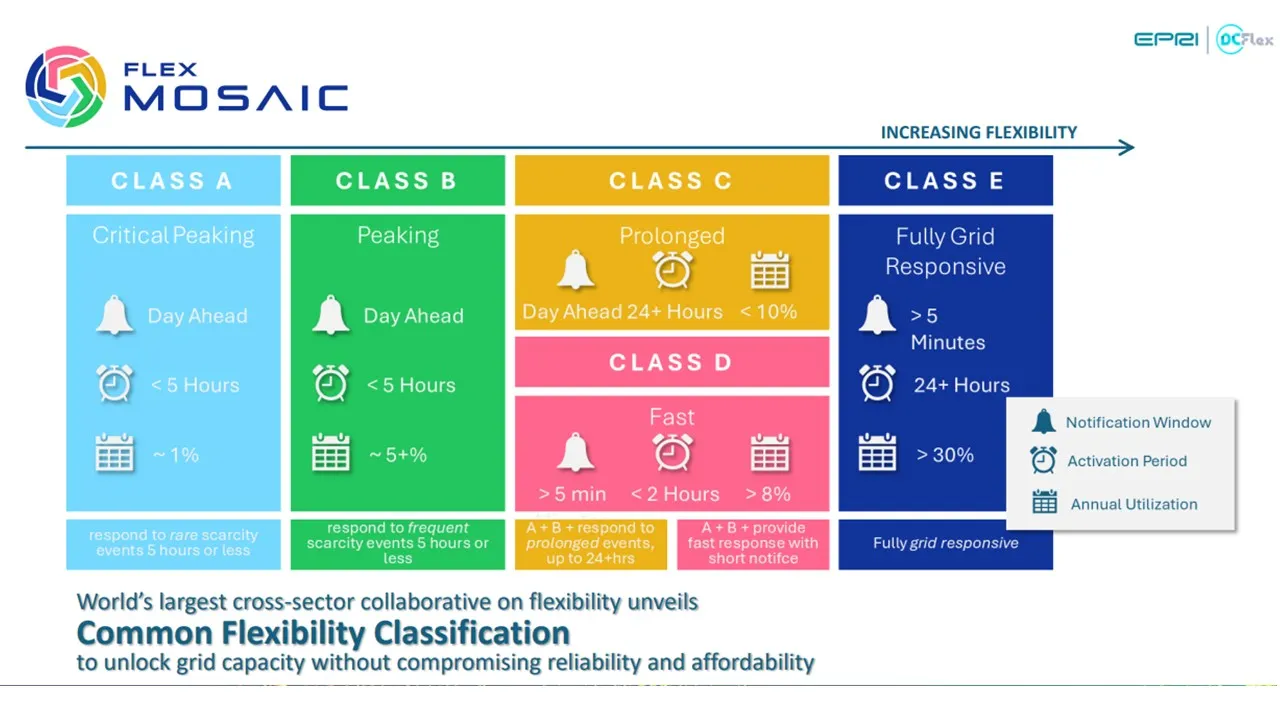
- How much load can be curtailed and how quickly.
- How often a utility can call on that flexibility.
- What notice the facility receives before reducing demand.
- What compensation or interconnection priority the customer gets in return.
- How performance is verified and what happens if the facility cannot comply.
These details will determine whether flexibility becomes a niche tool or a standard feature of large-load interconnection agreements.
The Broader Industry Significance
The importance of this shift goes beyond a single set of utility contracts. It marks a more structural change in how the digital economy is being integrated into physical infrastructure. For years, data centers were primarily discussed as passive consumers of electricity. The new model treats them as active participants in grid operations, at least to a limited extent.
That could have several downstream effects. First, it may give utilities a more defensible public case for approving large data-center projects in regions worried about cost impacts. Second, it may influence the design of future AI campuses, with operators investing more heavily in controllable workloads, backup systems and energy-management software. Third, it could shape regulatory expectations for other large new loads beyond data centers.
There is still reason for caution. Flexibility sounds attractive in principle, but the practical value depends on operational realities inside the facilities. Some AI workloads may be delay-tolerant; others may not be. Some customers may be comfortable with interruptions measured in minutes or hours; others may demand strict uptime. The sector is unlikely to converge on a single template immediately.
Even so, the direction is becoming clearer. The grid does not have the luxury of assuming every major new load will be served in the old way, and AI companies do not have the luxury of waiting indefinitely for perfect infrastructure conditions. That mutual pressure is producing a more negotiated relationship between digital growth and electric-system limits.
If the early agreements work, they may become one of the defining operating models of the AI infrastructure boom: faster connection in exchange for a degree of dispatchability. In a power system under strain, that is not just a technical tweak. It is an emerging industrial compact.
This article is based on reporting by Utility Dive. Read the original article.

Originally published on utilitydive.com