Introduction
When Russia's invasion of Ukraine in 2022 disrupted Europe's reliance on cheap Russian methane, the continent was forced to rethink its energy strategy. The immediate response was a scramble for alternatives, but the long-term solution has emerged as a rapid expansion of renewable energy. Today, wind and solar power are not just supplementing Europe's electricity grid—they are eclipsing methane-fired generation, marking a structural shift in the continent's energy paradigm.
According to recent data, Europe's wind and solar output has climbed to between 80 and 110 terawatt-hours per month, while gas-fired generation has steadily declined. This is not merely a temporary weather-related fluctuation; it reflects a fundamental change in the composition of Europe's power generation fleet. The implications for methane demand are profound, as the continent transitions from a fossil-fuel-dependent past to a renewable-powered future.
The Rise of Renewables
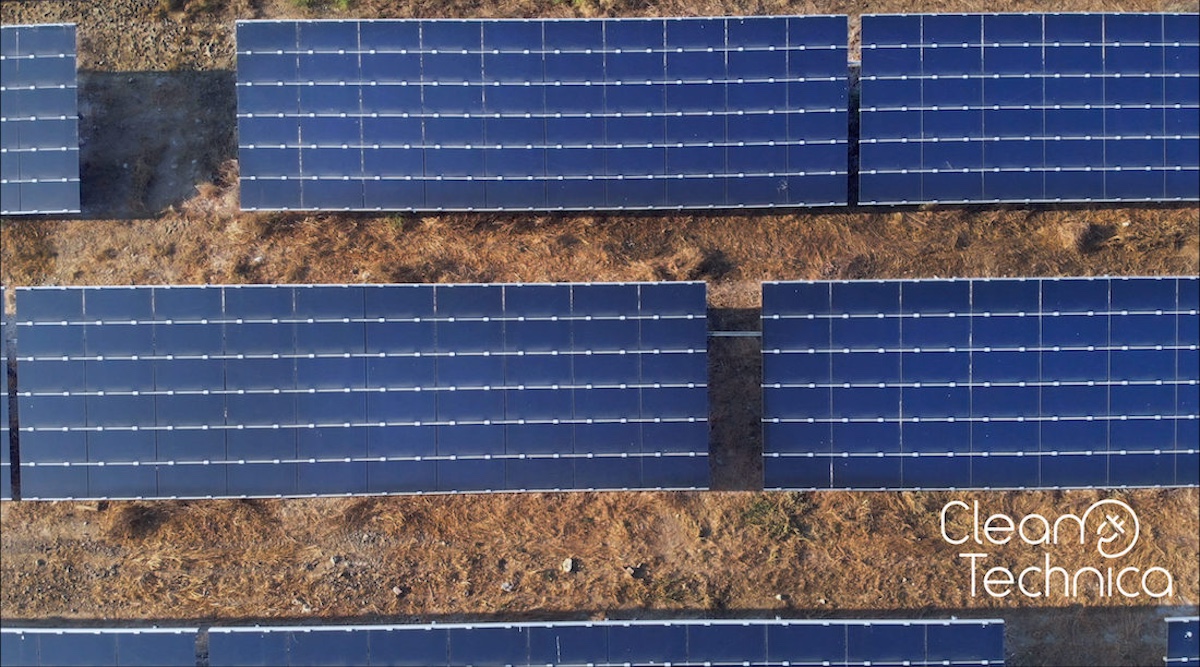
The growth of renewable energy in Europe over the past quarter-century is nothing short of remarkable. In 2000, wind and solar capacity stood at under 20 gigawatts (GW). Today, that figure has surged to nearly 750 GW, a 37-fold increase. In contrast, methane-fired generating capacity has grown from 250 GW to around 400 GW—a more modest 60% rise. This means Europe now has nearly twice as much installed wind and solar capacity as it does methane-fired capacity.
This capacity expansion has translated into record-breaking generation. Throughout much of 2025 and 2026, renewable generation has matched or exceeded gas output for extended periods. The trend is particularly pronounced during the April through October period, when wind and solar resources are at their peak. European utilities have been able to reduce coal and methane-fired generation to multi-year lows as a result.
Structural Shift vs. Weather Variability
It is tempting to attribute these changes to favorable weather conditions, but the data suggests a deeper transformation. Temporary shifts in generation can be explained by weather patterns, but structural shifts are driven by changes in the footprint of the generation fleet itself. As Reuters notes, "Once sufficient renewable capacity is installed, declining fossil generation becomes less a policy aspiration and more of a mathematical consequence. The data suggests Europe may have already crossed that threshold."
This threshold is critical. When renewables provide a significant share of electricity, they displace fossil fuels not just during peak renewable periods but across the entire year. The traditional methane burning season, which historically saw demand rise sharply in winter, is becoming progressively shorter and less intense. In 2026, European utilities have achieved multi-year lows in coal and gas-fired generation, even as electricity demand remains stable.
Implications for Methane Market
The implications for the methane market are significant. Europe's dependence on imported methane, whether via pipeline or as liquefied natural gas (LNG), is diminishing. This could lead to a structural decline in demand, affecting global markets and pricing. Concerns about Europe not having enough methane are being replaced by a new understanding that methane is the past and renewables are the future.
This shift is not without challenges. The intermittency of wind and solar requires investments in energy storage, grid modernization, and demand response. However, the momentum behind renewables is undeniable. As more capacity comes online, the role of methane in Europe's power mix will continue to shrink, potentially leading to stranded assets and a revaluation of gas infrastructure.

Policy and Market Dynamics
Policy has played a crucial role in accelerating this transition. The European Union's ambitious renewable energy targets, carbon pricing mechanisms, and support for clean energy technologies have all contributed to the rapid deployment of wind and solar. Additionally, the energy crisis triggered by the Russian invasion of Ukraine provided a powerful impetus to reduce reliance on fossil fuels.
Market dynamics are also evolving. As renewables become more competitive, gas-fired plants are increasingly operating at lower capacity factors, making them less economically viable. This could lead to a self-reinforcing cycle where declining utilization makes gas plants less attractive for investment, further accelerating the shift to renewables.
Future Outlook
Looking ahead, Europe's energy transition shows no signs of slowing. The continent is on track to meet or exceed its renewable energy targets for 2030, and the declining cost of solar and wind technologies makes them the default choice for new capacity. The structural shift away from methane is likely to continue, with profound implications for energy security, climate goals, and global gas markets.
As Bruce Springsteen sang, "Foreman says these jobs are going, and they ain't comin' back." Similarly, the era of methane dominance in Europe's power sector is ending. The data is clear: renewables are not just a temporary alternative but a permanent replacement, reshaping the continent's energy landscape for decades to come.
Conclusion
Europe's experience demonstrates that a rapid transition to renewable energy is not only feasible but also economically and environmentally beneficial. The structural decline in methane demand is a testament to the power of policy, technology, and market forces working in tandem. While challenges remain, the trajectory is unmistakable: Europe is moving decisively toward a renewable-powered future, and methane's role is diminishing accordingly.
This article is based on reporting by CleanTechnica. Read the original article.
Originally published on cleantechnica.com