Record Output Challenges Peak Emissions Thesis
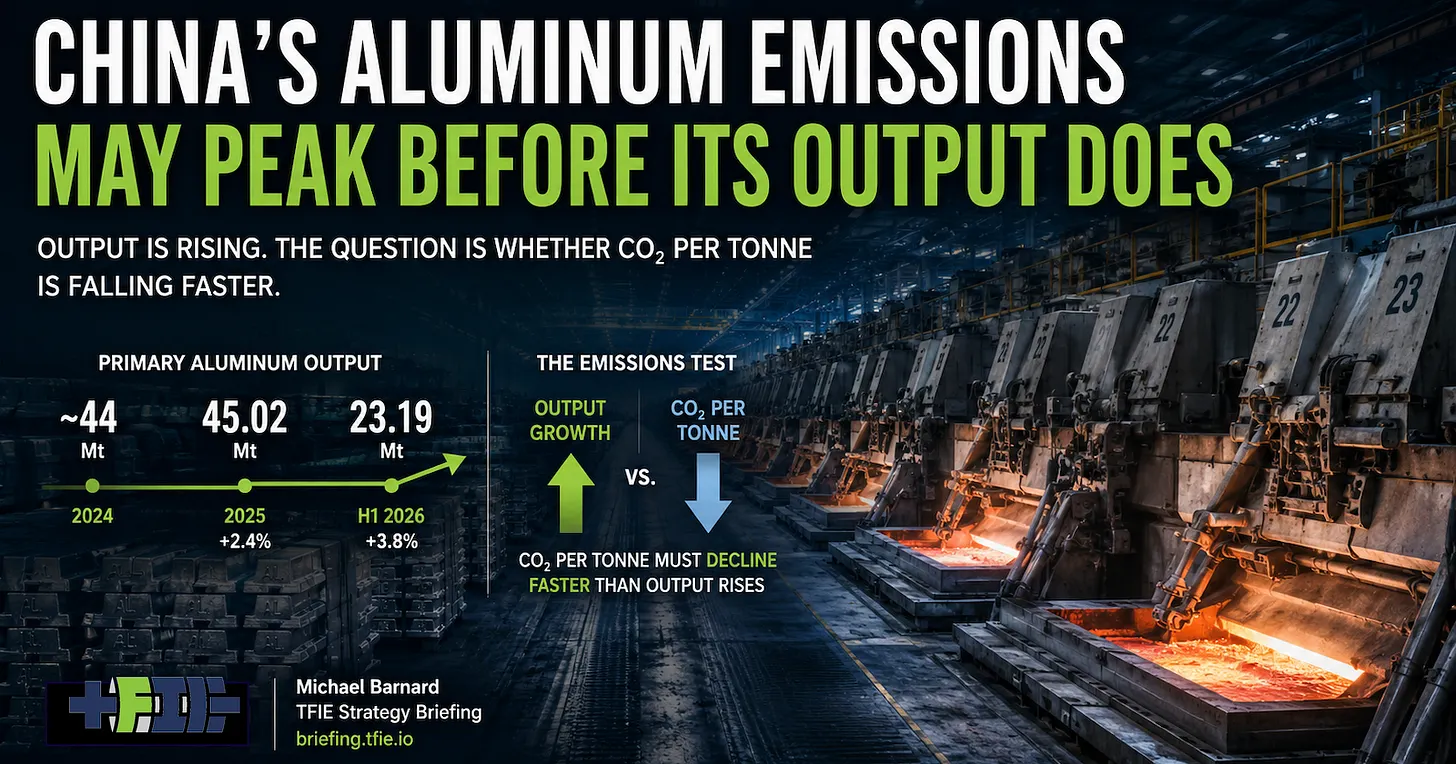
Earlier this year, analysts speculated that China's aluminum sector had likely seen its carbon emissions peak around 2024. That assumption was based on the expectation that production would hit a ceiling near 45 million tonnes annually. However, recent data has upended that notion. China produced 45.02 million tonnes of primary aluminum in 2025, a 2.4% increase from the previous year, and followed that with 23.19 million tonnes in the first half of 2026, up 3.8% year-over-year. These figures indicate that the nominal capacity constraint is not acting as a hard limit, and output continues to climb.
This development might seem to undermine the peak emissions thesis, but the relationship between aluminum production and carbon emissions is not as straightforward as it once was. Aluminum smelting is extremely electricity-intensive, meaning that the carbon footprint of each tonne of metal depends heavily on the energy source. If the emissions intensity per tonne falls faster than production grows, total emissions can still decline even as output rises. In fact, achieving a peak while production remains near record levels would be a more compelling story of industrial decarbonization than one driven simply by reduced output.
The Role of Clean Energy and Efficiency
China's Ministry of Industry and Information Technology has reported that clean energy supplied about 25% of the energy used by electrolytic aluminum in 2024, a figure that is expected to rise. Additionally, average AC electricity consumption has dropped roughly 2% from 2020 levels, indicating improved efficiency. The government's 2025–2027 aluminum plan aims to push the clean-energy share above 30% and calls for continued upgrading or retirement of inefficient capacity.
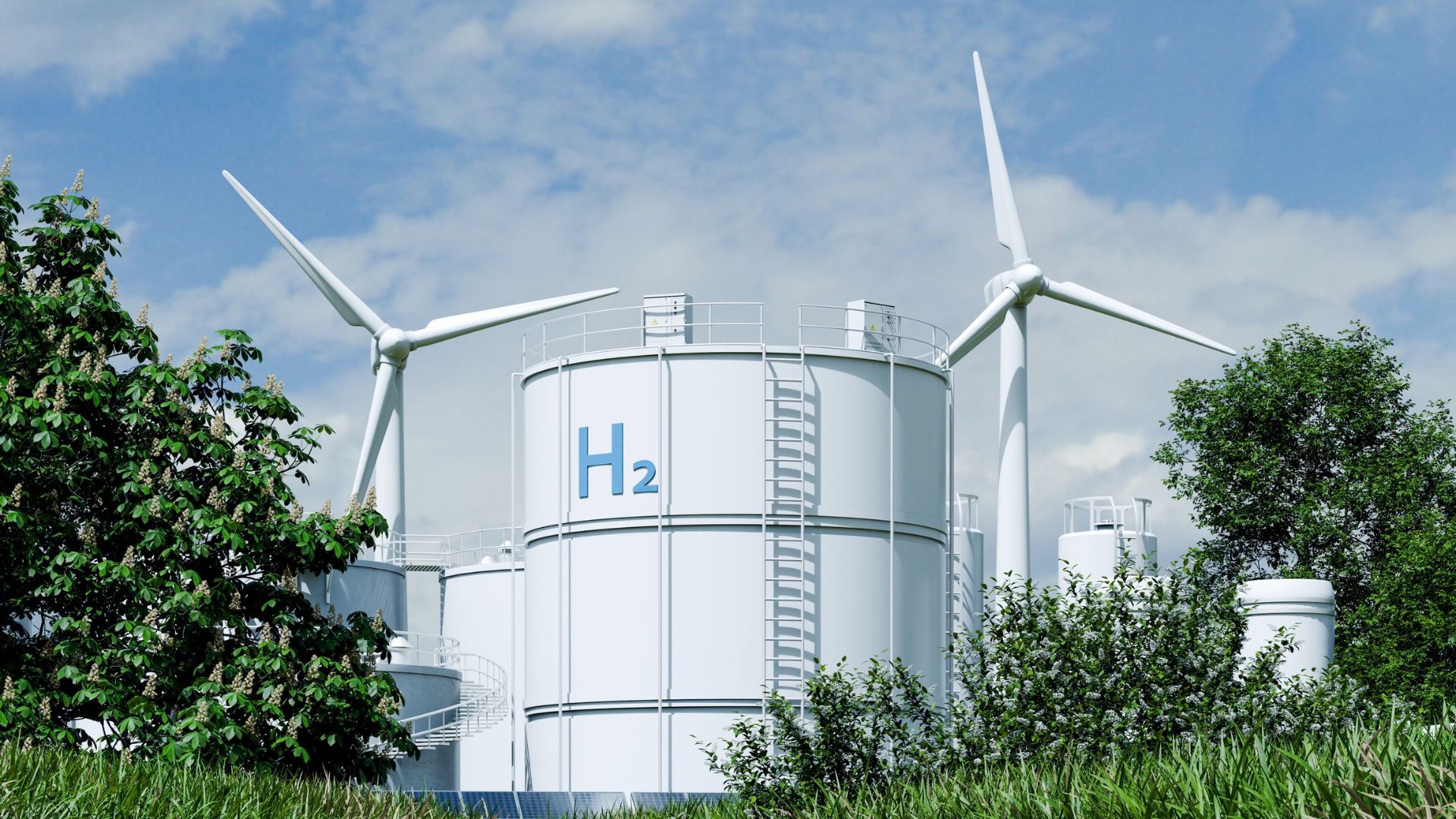
The source of electricity is critical in aluminum production. For years, the narrative was that Chinese smelters were relocating from coal-heavy northern provinces to hydropower-rich regions like Yunnan and Sichuan. While that shift has occurred and contributed to emissions reductions, it is no longer the whole story. Northern and northwestern China are now major hubs for wind and solar development, and the carbon intensity of the electricity delivered to each smelter is becoming the more relevant metric than provincial labels.
Direct Participation in Clean Energy
China is also encouraging aluminum producers to participate directly in renewable energy markets. By signing power purchase agreements or investing in dedicated wind and solar projects, smelters can secure cleaner electricity and reduce their carbon footprint. This trend is expected to accelerate as renewable energy costs continue to fall and grid infrastructure improves.
Breaking the Output-Emissions Link
The historical correlation between industrial output and emissions is being challenged in China's aluminum sector. If emissions per tonne decline rapidly enough, total emissions can peak and decline even as production grows. This would represent a significant achievement in decoupling economic activity from environmental impact.
However, the pace of emissions intensity reduction must outpace production growth. With output increasing by 2-4% annually, the sector needs to cut emissions per tonne by at least that much each year to keep total emissions flat. Achieving this will require sustained investment in clean energy, efficiency improvements, and the retirement of outdated, coal-powered smelters.
Challenges and Uncertainties
Despite the positive trends, challenges remain. The aluminum industry is energy-intensive, and even small increases in production can offset gains from cleaner energy. Additionally, the transition to clean energy is not uniform across all regions, and some smelters may lag in adopting renewable sources. Grid constraints and the intermittency of wind and solar also pose hurdles, though battery storage and grid upgrades are helping to mitigate these issues.
Another factor is the potential for new smelting capacity to come online in coal-dependent areas, which could increase emissions intensity. The government's plan to upgrade or retire inefficient capacity is crucial in this regard, but enforcement and compliance will be key.

Implications for Global Climate Goals
China's aluminum sector is a significant contributor to global industrial emissions, so its trajectory has important implications for international climate targets. If China can demonstrate that emissions can peak while production continues to rise, it would provide a model for other industrial sectors and countries. It would also bolster the case for investing in clean energy and efficiency as a means to achieve both economic growth and emissions reductions.
The data so far suggests that the peak may still be achievable, but it is not guaranteed. The next few years will be critical in determining whether China's aluminum industry can sustain its emissions intensity improvements and ultimately bring total emissions down.
Conclusion
China's rising aluminum output does not necessarily mean its emissions are still climbing. With clean energy now supplying a quarter of the sector's electricity and efficiency gains reducing consumption, the industry is on a path that could see emissions peak and decline even as production reaches new highs. The government's policy support and the falling cost of renewables are driving this transformation. While challenges remain, the potential to break the link between output and emissions is within reach, offering a hopeful sign for industrial decarbonization worldwide.
This article is based on reporting by CleanTechnica. Read the original article.
Originally published on cleantechnica.com