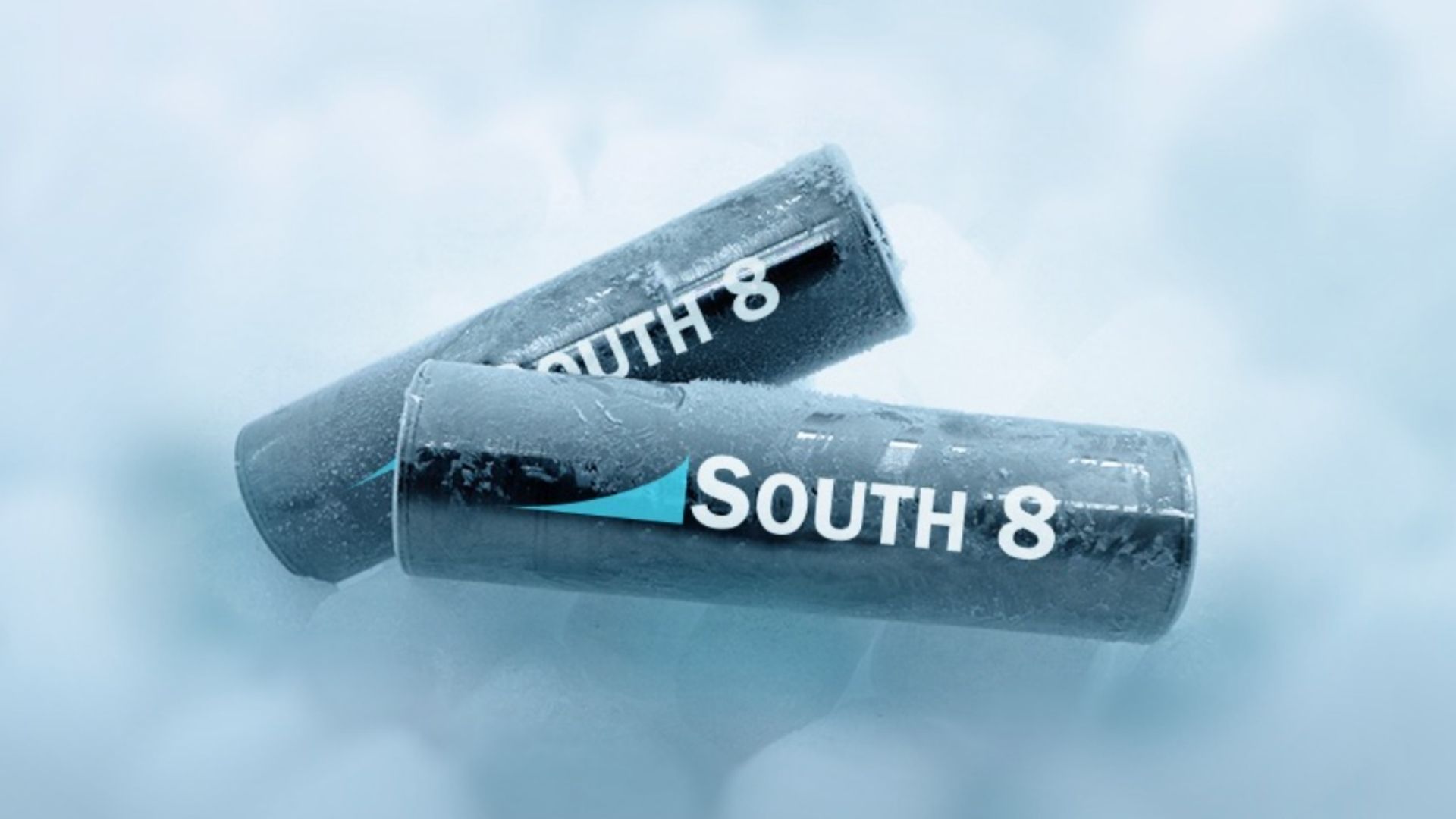
A U.S. battery developer has crossed a threshold that many energy-storage startups never reach: it is now running an actual production line. South 8 Technologies has begun operating a semi-automated battery cell manufacturing line at its facility, with a stated capacity of 5 MWh, according to the company. The cells in question are lithium-ion, but with a twist that gives them a clear strategic niche — they are engineered to keep working in extreme cold.
That focus places the company squarely in a market where performance matters more than price per kilowatt-hour. Defense planners have spent years looking for batteries that do not wilt when temperatures plunge well below freezing, and conventional lithium-ion cells have stubbornly refused to cooperate.
Why cold is the hardest test for lithium-ion
Lithium-ion batteries are electrochemical devices, and like most chemical reactions, the processes inside them slow down as temperatures drop. Ions must physically move between electrodes through a liquid electrolyte, and that journey becomes progressively more difficult in the cold.
The electrolyte bottleneck
Most commercial lithium-ion cells use a liquid electrolyte that begins to thicken at low temperatures and can eventually freeze or otherwise lose the ability to conduct ions efficiently. When that happens, internal resistance climbs sharply. The battery may still hold charge in a nominal sense, but it cannot deliver that charge at a useful rate.
What cold actually does to performance
In practical terms, a cold-soaked battery struggles in three ways. Its usable capacity shrinks, because not all the stored energy can be extracted. Its power output falls, which is a problem for anything that needs a burst of current — starting a vehicle, launching a drone, or powering a high-draw sensor. And charging becomes risky, because forcing current into a cold cell can cause lithium to plate onto the anode rather than intercalate properly, degrading the battery over time and, in the worst case, creating safety hazards.
Those three effects compound each other in the field. A unit that performs acceptably on a test bench in a climate-controlled lab can become nearly unusable after a night at subzero temperatures, which is precisely the scenario defense equipment is expected to survive.
What the new production line represents
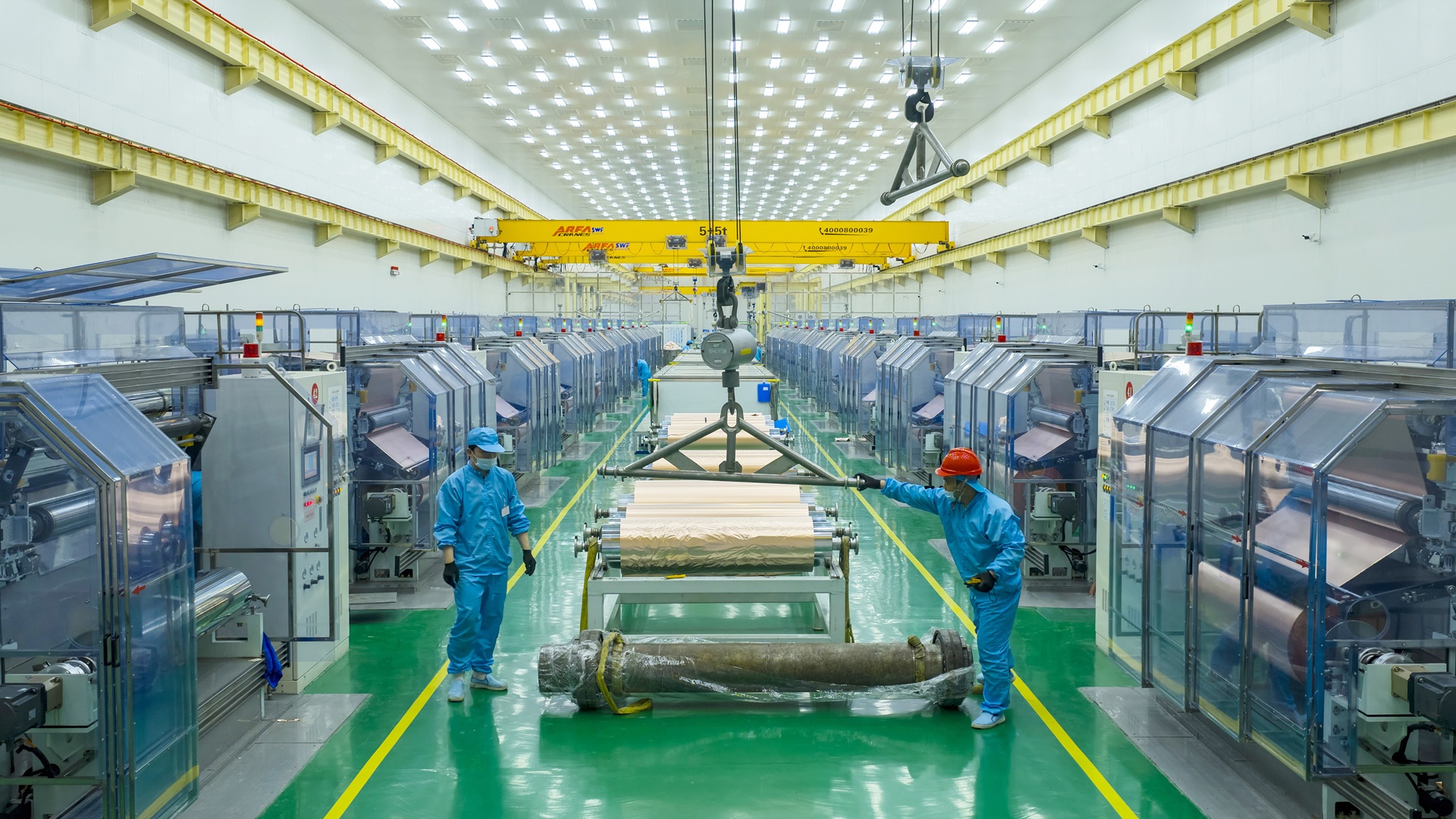
The significance of the announcement lies less in the raw output than in the transition it marks. Moving from bench-scale cells to a semi-automated line means the company is now dealing with the unglamorous realities of manufacturing: process consistency, yield, quality control, and the repeatability that military buyers demand.
A 5 MWh annual or nominal capacity is small compared with the multi-gigawatt-hour plants that dominate the electric-vehicle and grid-storage industries. But specialized defense cells are not a commodity market. Volumes are lower, specifications are tighter, and the customer is often willing to pay a premium for a part that works when nothing else does. A line of this scale can support pilot programs, qualification testing, and early production runs for a handful of defense customers without requiring the capital of a full gigafactory.

The semi-automated description is also telling. Fully manual assembly is difficult to scale and hard to keep consistent; fully automated lines are expensive and inflexible. A semi-automated approach lets a young manufacturer learn what its process actually needs before committing to hard tooling — a sensible posture for a company still proving out a novel cell design.
Where cold-capable batteries matter most
The defense applications are not hard to imagine. Arctic and sub-Arctic operations, high-altitude deployments, and winter training exercises all expose equipment to temperatures that routinely defeat standard lithium-ion packs.
- Dismounted soldiers carry radios, night-vision devices, targeting optics, and navigation gear that all depend on batteries. Cold-weather failures mean weight, because troops end up carrying spares, and risk, because a dead battery can take a capability offline at the worst moment.
- Uncrewed systems operating in northern latitudes face the same problem in the air and on the ground, where cold-soaked packs limit endurance and launch reliability.
- Vehicles and remote sensors left in place for long periods must be able to start, transmit, and recharge without being babied by heaters that themselves draw power.
Each of those use cases puts a premium on the same properties: usable capacity at low temperature, reliable discharge current, and the ability to accept a charge without damage.
The domestic manufacturing angle
There is a second story layered on top of the technical one. Battery production has become a matter of industrial policy as much as engineering, with governments pushing to anchor cell manufacturing closer to home and to reduce dependence on overseas supply chains for critical components.
A U.S. company standing up a domestic cell line for defense customers fits neatly into that agenda. Defense procurement has its own logic, including requirements around sourcing, traceability, and the ability to audit a supplier's process. Being able to point to a domestic production line — even a modest one — is a meaningful credential when competing for contracts that prioritize assured supply.
What remains to be proven
Announcing a production line is not the same as shipping qualified hardware at scale. Several questions will determine whether this becomes a durable business or an impressive pilot.
- How do the cells perform across the full range of cold-weather conditions, not just a single benchmark temperature?
- What are the cycle-life numbers when the cells are repeatedly charged and discharged in the cold?
- Can the company scale its process while maintaining the consistency that military qualification demands?
- Does the cost per kilowatt-hour stay within reach of defense budgets once volume increases?
None of those answers arrive overnight. Battery qualification programs are long, and defense customers are conservative by design.
The bottom line
South 8 Technologies has moved from demonstrating a concept to operating a semi-automated 5 MWh cell line aimed at defense applications, with cold-weather performance as its defining claim. That combination — a hard technical problem, a well-defined customer, and a domestic manufacturing footprint — is a more coherent position than many battery startups can claim. The next phase will be about proving reliability at scale, not about the novelty of the chemistry.
This article is based on reporting by Interesting Engineering. Read the original article.
Originally published on interestingengineering.com