Moving the global energy system away from fossil fuels depends on solving a deceptively simple logistics problem: what to do with large volumes of hydrogen when supply outpaces demand. A new study proposes that naturally occurring hydrogen reservoirs — geological formations that already hold the gas — could be repurposed as underground storage sites, turning a natural resource into part of the infrastructure a zero-carbon economy would need.
The finding, reported by Interesting Engineering, arrives as governments and industries pour resources into hydrogen as a cleaner alternative for heavy industry, shipping, aviation and long-duration power. Producing that hydrogen is only half the challenge. Storing it at the scale the transition implies is the other half, and it is the half that has received far less attention.
Why hydrogen storage is the missing link
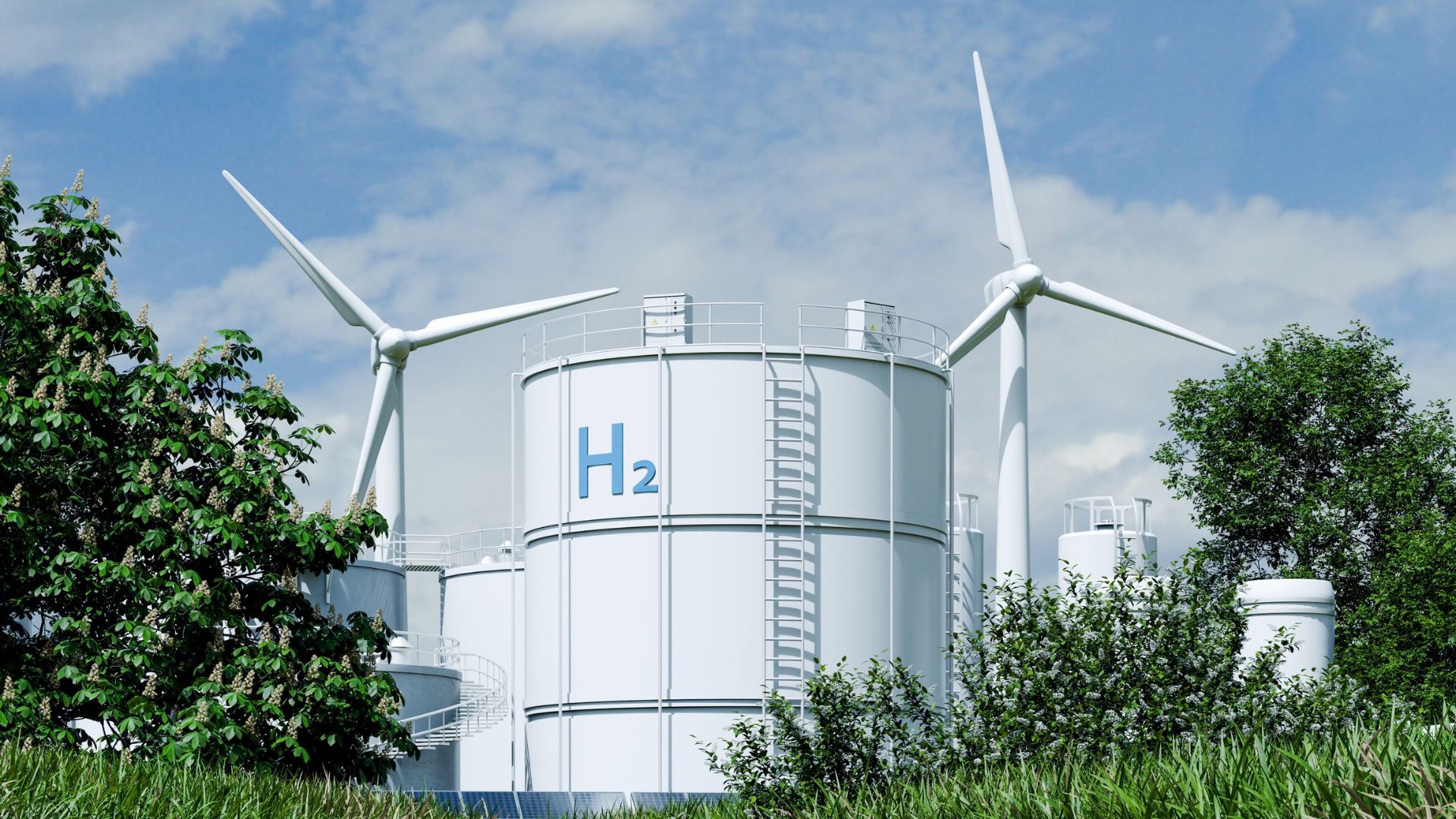
Hydrogen is the lightest element and the smallest molecule, which makes it notoriously difficult to contain. It escapes through materials that hold other gases, embrittles many metals, and occupies enormous volumes unless it is compressed or chilled. Those properties make above-ground storage expensive and limited in capacity.
The scale of the problem is what makes the new study relevant. Transitioning the world to zero-carbon energy requires storing vast amounts of hydrogen, not merely enough to smooth out daily fluctuations in demand but enough to carry energy across seasons, buffer industrial clusters, and keep export and import chains running when production is intermittent.
Renewable electricity generation is variable by nature. Solar output peaks in summer afternoons; wind follows weather patterns rather than demand curves. If hydrogen is made when power is abundant and used when it is scarce, then storage capacity becomes the pivot on which the entire model turns. Without it, excess renewable generation is curtailed and hydrogen's role shrinks to niche applications.

What the study suggests
The research argues that natural hydrogen reservoirs — accumulations that formed geologically rather than through industrial processing — could double as storage vessels. Rather than drilling solely to extract the gas inside, operators could use the same sealed formations to inject hydrogen produced elsewhere and withdraw it later.
The logic is one of reuse. A reservoir that has held hydrogen for geological timescales has already demonstrated that it can contain the molecule. That containment is the single hardest engineering requirement for any storage project, and natural reservoirs have effectively passed a test that spans millions of years.
The proposal also reframes how natural hydrogen is valued. If such reservoirs are treated only as a finite resource to be depleted, their value is limited to whatever gas they happen to contain. If they are treated as infrastructure as well, their usefulness extends well beyond the initial extraction phase — a shift in thinking that could change how these sites are surveyed, licensed and developed.
Why geological formations are attractive candidates
Proven containment
The primary advantage is that a natural reservoir is, by definition, a place where hydrogen has stayed put. The caprock and trapping structures that kept the gas in place are the same features that would keep injected hydrogen from migrating away.
Scale that surface facilities cannot match
Above-ground options — pressurized tanks and cryogenic vessels — are well understood but costly to scale. Geological storage, by contrast, draws on the enormous volume of subsurface pore space. That capacity gap is precisely what seasonal storage demands.
Less new land and surface disruption
Reusing existing subsurface structures means fewer new surface facilities, less land use, and potentially a shorter path through permitting than building a comparable inventory of surface storage from scratch.
These advantages echo the reasoning behind other geological storage approaches, which are already part of the conversation around hydrogen infrastructure. The study's contribution is to extend that logic specifically to reservoirs where hydrogen occurs naturally, rather than only to formations chosen purely for their physical properties.

The hurdles that remain
Subsurface storage of hydrogen is not a solved problem. Several questions would need answers before natural reservoirs could be used at scale:
- Sealing integrity over repeated cycles. Storage involves injection and withdrawal, not a single static charge. Repeated pressure changes stress the same geological barriers that trapped gas undisturbed for long periods.
- Geochemical reactions. Hydrogen is reactive under certain conditions. Contact with minerals and residual fluids could alter the gas, the rock, or both in ways that reduce recoverability.
- Microbial activity. Subsurface environments host microbial communities, and hydrogen is an energy source for some of them. Consumption losses could erode the economics of a project.
- Monitoring and verification. Operators would need confidence that stored hydrogen stays where it is placed, which requires reliable sensing across large subsurface volumes.
- Regulatory frameworks. Rules governing natural hydrogen extraction and rules governing storage are not necessarily the same, and a dual-purpose site may fall between existing categories.
None of these obstacles is unique to natural reservoirs; each applies in some form to any geological hydrogen storage plan. What the study adds is a specific setting in which they must now be evaluated.
Where this fits in the wider energy transition
The idea sits at the intersection of two emerging fields. One is the exploration for natural hydrogen, which has attracted growing interest as a potentially low-cost, low-carbon energy source. The other is large-scale energy storage, which is widely recognized as a prerequisite for deep decarbonization.
If natural reservoirs can serve both purposes, the economics of developing them improve. A developer could justify drilling and characterization work partly through the value of the gas produced and partly through the value of the storage capacity created — two revenue streams from one geological asset. That combined case may make projects viable that would not clear the bar on extraction alone.
The concept also has implications for energy trade. Countries with suitable geology could position themselves as storage hubs, offering capacity to neighbours whose renewable resources are abundant but whose subsurface options are limited. Storage, in that framing, becomes an exportable service rather than only a domestic buffer.

What to watch next
The study is a proposal rather than a demonstration. The near-term questions are practical: which reservoirs are suitable, how injected hydrogen behaves in them over time, and whether the costs of conditioning and moving gas to and from these sites compare favourably with alternatives.
Pilot projects and detailed geological characterization will determine whether the concept moves from suggestion to standard practice. For now, the study's core argument is straightforward — the transition to zero-carbon energy requires storing enormous quantities of hydrogen, and the geology that produced natural hydrogen may be well suited to holding it. Whether that promise survives contact with real reservoirs is the question the coming years of research will answer.
This article is based on reporting by Interesting Engineering. Read the original article.
Originally published on interestingengineering.com