Introduction
As the world grapples with the urgent need to reduce greenhouse gas emissions, carbon capture and storage (CCS) has emerged as a pivotal technology in many national climate strategies. The concept is straightforward: capture carbon dioxide (CO2) emissions from industrial sources like power plants and factories, compress it, and inject it deep underground for permanent storage. Proponents, including the Intergovernmental Panel on Climate Change (IPCC), argue that CCS is indispensable for achieving net-zero emissions, particularly in hard-to-decarbonize sectors such as cement production. However, a growing backlash from environmental groups and some policymakers labels CCS as a dangerous distraction, pointing to high costs, ties to fossil fuels, and a history of underperformance. This article delves into the debate, examining what CCS is, its current deployment, its projected role, and the controversies surrounding it, with a focus on the United Kingdom's ambitious plans.
What is Carbon Capture and Storage?
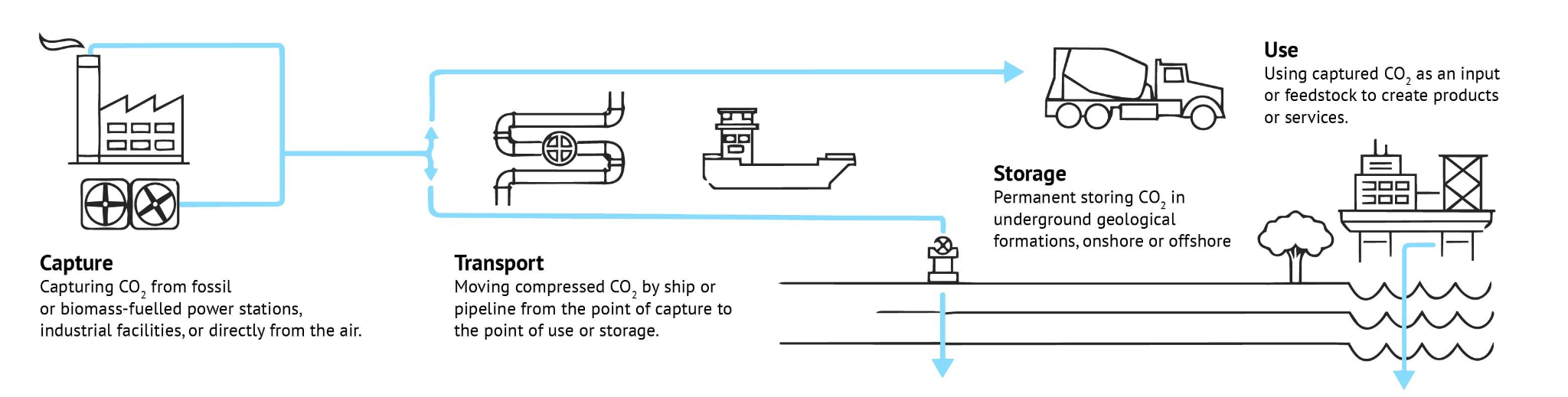
CCS involves a multi-step process to prevent CO2 from entering the atmosphere. First, CO2 is separated from the exhaust gases of large point sources, such as natural gas power plants, cement factories, or steel mills. This is typically achieved using chemical solvents that absorb CO2, though other methods like membrane separation or oxy-fuel combustion are also in development. The captured CO2 is then compressed into a dense liquid-like state, reducing its volume for efficient transport. Transportation usually occurs via pipelines, but trucks, ships, and trains can also be used, especially for smaller or remote facilities. Finally, the CO2 is injected into deep geological formations, such as depleted oil and gas reservoirs, saline aquifers, or unmineable coal seams, where it is trapped by caprock and slowly mineralizes over time.
A related concept, CCUS (carbon capture, utilization, and storage), adds a step where captured CO2 is used to create products like fertilizers, fuels, or building materials. However, utilization does not always result in permanent emissions reductions, as the CO2 may be released when the product is used or disposed of. Therefore, CCS strictly focuses on permanent storage, which is essential for long-term climate benefits.

How Much CCS Capacity Has Been Built So Far?
Despite decades of research and development, the global deployment of CCS remains modest. As of recent data, the total installed capacity for CO2 capture is around 40 million tonnes per year (MtCO2/yr), a fraction of the billions of tonnes of annual global emissions. Most existing projects are in the United States, Canada, and Norway, often tied to enhanced oil recovery (EOR), where CO2 is injected into declining oil fields to extract additional crude, a practice that has raised concerns among environmentalists. The International Energy Agency (IEA) has repeatedly noted that CCS deployment is far behind the pace needed to meet climate targets, with many projects facing delays, cost overruns, and technical challenges. For instance, the Gorgon project in Australia, one of the world's largest CCS facilities, has struggled to meet its injection targets, and several high-profile projects have been cancelled or scaled back, including the UK's earlier attempts at commercial-scale CCS.
What Role is CCS Expected to Play in Reaching Net-Zero?
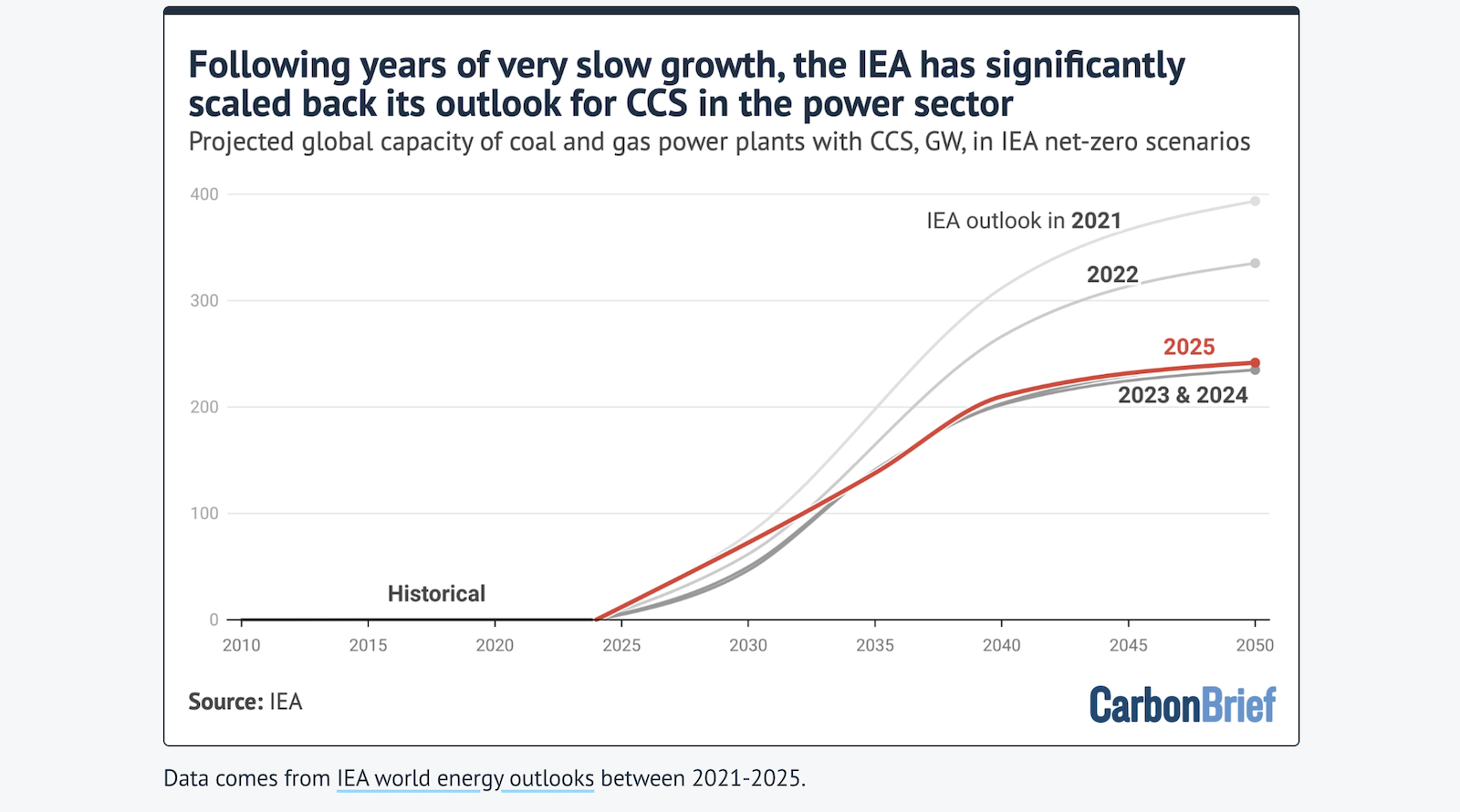
In climate models and national strategies, CCS is often assigned a critical role, particularly for sectors where emissions are difficult to eliminate through electrification or efficiency alone. The IPCC's Special Report on Global Warming of 1.5°C highlights CCS as essential for limiting warming to 1.5°C, with most scenarios requiring the capture and storage of hundreds of gigatonnes of CO2 over the century. The technology is seen as vital for decarbonizing heavy industries like cement, steel, and chemicals, where process emissions are inherent to production. Additionally, CCS can be combined with bioenergy (BECCS) to achieve negative emissions, removing CO2 from the atmosphere. In the power sector, CCS-equipped gas plants could provide flexible backup for intermittent renewables while minimizing emissions. The UK's Climate Change Committee (CCC) has projected that CCS will need to capture around 50 MtCO2 per year by 2035, and over 100 MtCO2 by 2050, to meet the country's legally binding net-zero target. This would require a massive scale-up from the current near-zero capacity.

Why is CCS Controversial?
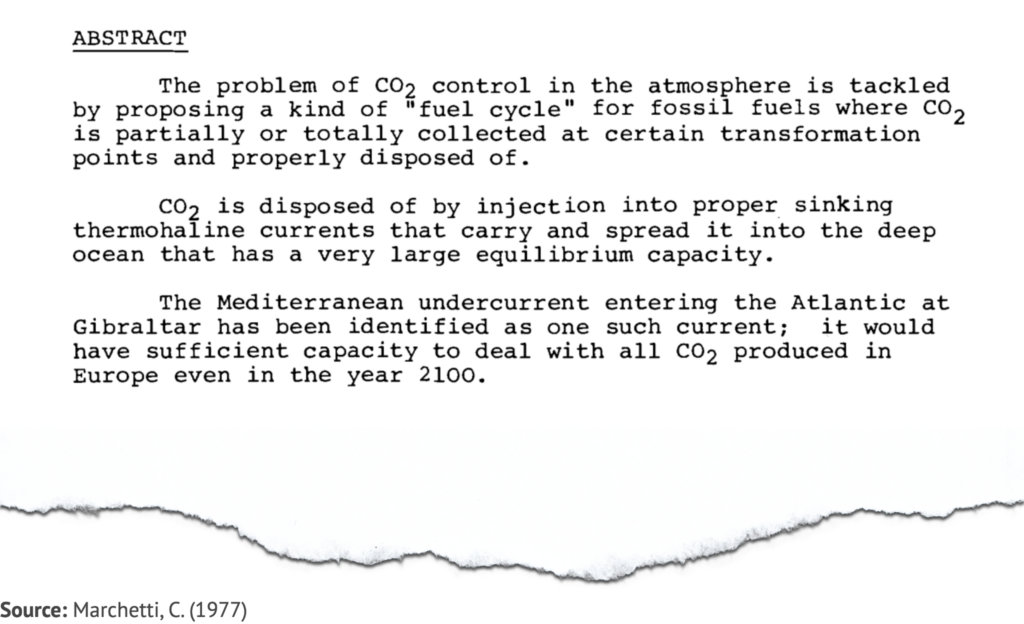
Despite its perceived necessity, CCS faces significant opposition. Critics argue that the technology is unproven at the scale required, with a history of underdelivering on promises. They point to the high costs of capture, which can add 50-100% to the cost of electricity from a gas plant, and the long-term liability of stored CO2, which must be monitored for centuries to prevent leaks. Furthermore, CCS is often associated with the fossil fuel industry, as it can be used to extend the life of oil and gas operations, either through EOR or by mitigating emissions from continued extraction. Environmental groups like Greenpeace and Friends of the Earth have called CCS a 'false solution' that distracts from the urgent need to phase out fossil fuels and invest in renewables and energy efficiency. They also highlight the risk of 'moral hazard', where the promise of CCS reduces the incentive for industries to innovate and reduce emissions at the source. The cancellation of several flagship projects, including the UK's earlier CCS competition, has reinforced skepticism about the technology's viability.
What Are the UK's Plans for Scaling Up CCS?
The UK government has made CCS a cornerstone of its net-zero strategy, committing up to £21.7 billion over the next 25 years to develop the industry. This funding is intended to support the deployment of CCS in industrial clusters, such as those in Humberside, Teesside, and Merseyside, where multiple emitters can share common transport and storage infrastructure. The first phase, known as Track-1, includes two clusters: HyNet in the northwest and East Coast Cluster in the northeast, which aim to capture and store around 10 MtCO2 per year by the mid-2020s. The government has also announced plans for a 'CCS business model' that would provide revenue certainty for operators through contracts for difference, similar to those used for offshore wind. However, the UK's CCS history is marked by setbacks, including the cancellation of a £1bn competition in 2015, and critics worry that the current plans may face similar delays. The National Audit Office has questioned the value for money of the investment, and some analysts argue that the money could be better spent on proven technologies like solar and wind. Despite these concerns, the government maintains that CCS is essential for meeting climate targets and creating new economic opportunities in the low-carbon sector.
Conclusion
The debate over CCS reflects a broader tension between the urgency of climate action and the practicalities of decarbonizing complex industrial systems. While CCS offers a potential pathway to reduce emissions from sectors that are otherwise difficult to clean up, its high costs, technical uncertainties, and links to fossil fuels make it a contentious choice. The UK's substantial investment in CCS is a bold bet that the technology can be scaled up quickly and cost-effectively, but history suggests that such bets are risky. As the world strives for net-zero, the question remains: can CCS deliver on its promise, or will it remain a costly distraction? The answer will shape the future of climate policy and the energy transition.
This article is based on reporting by CleanTechnica. Read the original article.
Originally published on cleantechnica.com