BYD widens its Brazil bet with local battery production
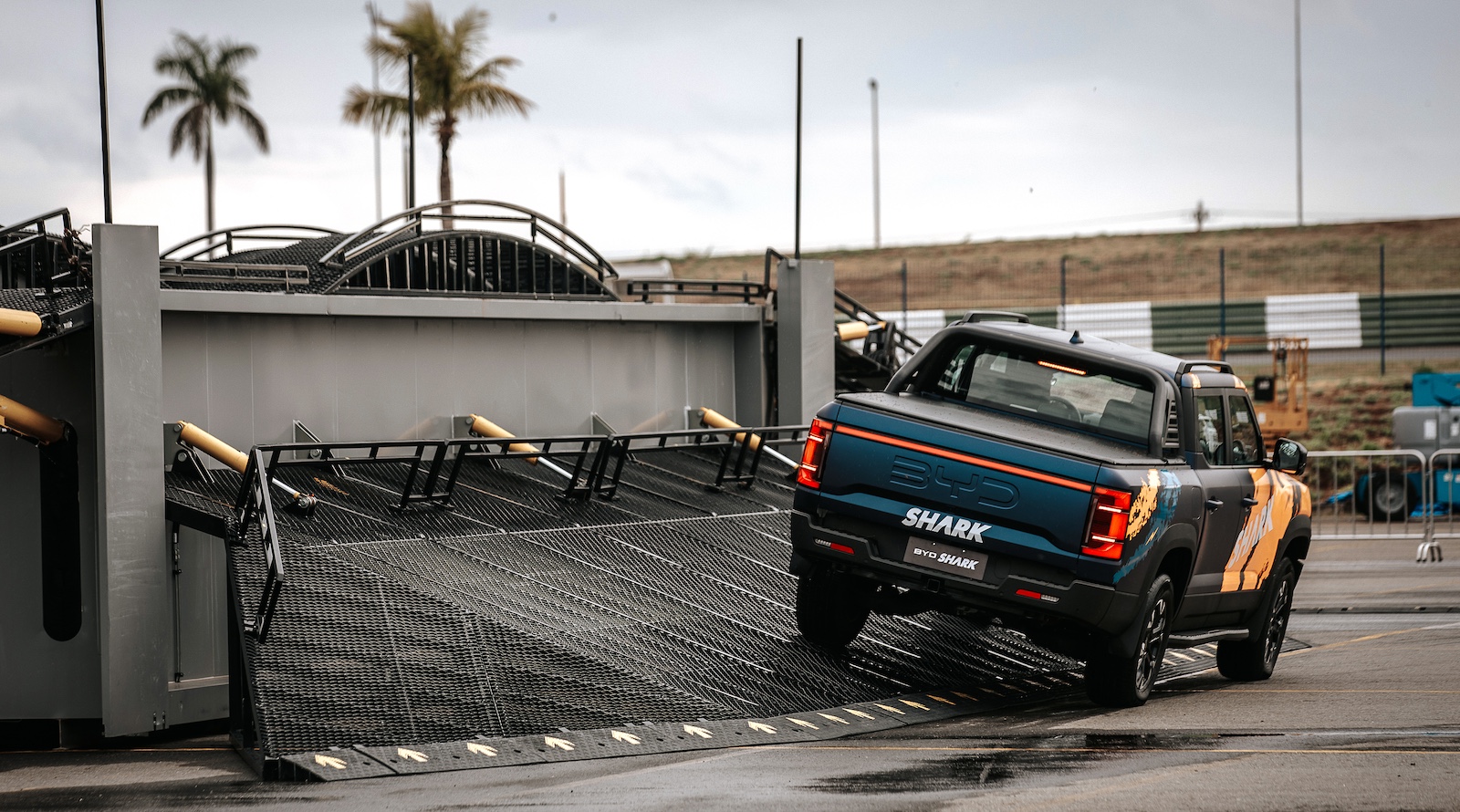
BYD is expanding battery production in Brazil as it pushes to make its fast-growing presence in the country look less like an export campaign and more like a long-term industrial strategy. The move adds another layer to the company’s broader effort to localize electric-vehicle manufacturing in one of its most important overseas markets.
According to the supplied source text, BYD’s vehicle exports have risen sharply this year, with exports up 65% so far in 2026 and up 80% in May. Brazil has emerged as one of the company’s most significant targets outside China, and the latest production plans show that BYD is now trying to anchor itself deeper into the local supply chain rather than simply shipping finished vehicles into the market.
The company is already building a factory at the site of a former Ford plant in Brazil. The addition of battery production suggests that BYD sees local manufacturing not just as a branding exercise, but as a way to control costs, improve supply resilience, and position itself more competitively in a market where industrial policy and local content can matter as much as retail demand.
A strategy centered on domestic content
The clearest signal in the source material is BYD’s stated aim to increase the domestic share of its Brazilian-made cars. Alexandre Baldy, senior vice president of BYD Brazil, said the company wants to reach 50% domestic content in those vehicles by the start of 2027. Battery production is a central part of that equation because the battery is one of the most valuable and strategically important components in an EV.
That matters for more than simple accounting. Local battery output can reduce exposure to shipping costs, ease some logistics constraints, and help BYD present itself to regulators, workers, and consumers as a manufacturer investing in Brazil rather than merely selling into it. In practical terms, that could strengthen the company’s standing as it scales further in the country.
The localization drive also reflects a broader pattern in the global EV industry. Carmakers expanding internationally increasingly face pressure to build regional production networks, especially for batteries and other high-value components. BYD’s Brazilian push fits that model. Instead of relying exclusively on Chinese production and overseas transport, it is building a regional manufacturing footprint tied to local demand.
Billions of reais already committed
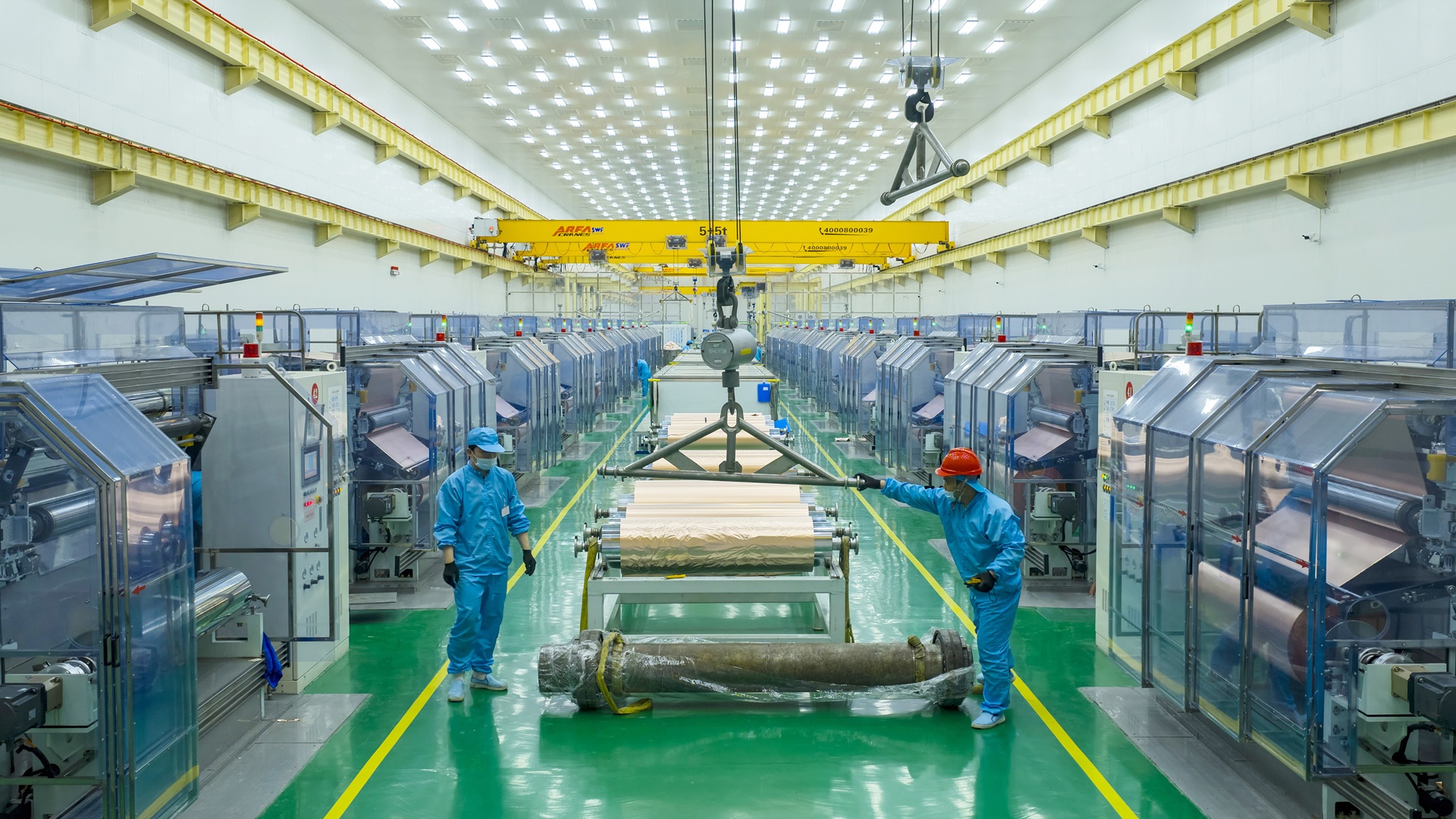
The battery expansion is not a standalone announcement. It sits inside a much larger investment program. The source text says BYD already has a plan to invest 5.5 billion reais, roughly $1.08 billion, in its flagship plant in Camacari, Bahia. It is also investing between 50 million and 60 million reais to expand a line producing bus batteries.
Those figures show that the company is targeting multiple segments at once. Passenger-car batteries support its consumer EV business, while bus battery expansion gives BYD more room in commercial and public-transport applications. That dual-track approach is consistent with BYD’s broader identity as a manufacturer with strong positions in both passenger vehicles and electrified transit.
For Brazil, the investment package points to a deeper industrial relationship than a simple sales boom. A factory redevelopment on a former Ford site carries symbolic weight on its own, but the addition of battery capacity makes the project more consequential. Battery manufacturing has higher strategic value than final assembly alone, because it captures more of the EV value chain and can create follow-on opportunities in components, services, and grid applications.
Beyond cars: BYD’s grid storage play
The source material also indicates that BYD is preparing a separate investment tied to energy infrastructure. The company is looking to invest up to 500 million reais, about $98 million, in a new production line for battery energy storage systems, or BESS. Those systems are designed to store electricity for the national grid.
That is a meaningful extension of BYD’s ambitions in Brazil. It suggests the company is not treating the country solely as an auto market. It is also pursuing a role in the wider electricity system, where batteries can help stabilize supply, manage peaks in demand, and support the integration of variable energy sources.
The timing is notable because, according to the source text, Brazil is preparing for its first auction introducing industrial-scale batteries in December. If that market opens as anticipated, local BESS production could give BYD an early advantage. It would also allow the company to serve two adjacent sectors at once: transport electrification and power-system storage.
That overlap is strategically important. Battery makers with scale across vehicles and stationary storage can spread manufacturing expertise, procurement leverage, and technology development across multiple product lines. In BYD’s case, that could reinforce its position in Brazil even if growth rates in one segment cool.
A rising position in Brazil’s auto market
BYD’s manufacturing push is happening as its commercial position in Brazil improves. The source text says the company has already become a top-five auto brand in the country. It also says plug-in vehicles now account for 13.5% of the Brazilian auto market. BYD’s goal, according to the supplied material, is to become the number-one auto brand in Brazil by 2030.
That is an aggressive target, but the production decisions now underway help explain how the company intends to pursue it. Building local factories, expanding battery lines, and investing in grid storage all support the same long-term message: BYD wants to be seen as part of Brazil’s industrial future, not just a foreign supplier riding EV demand.
Whether that strategy is enough to secure market leadership remains uncertain, and the supplied source text does not address competitive responses, regulatory risks, or the pace of execution at the new facilities. But the direction is clear. BYD is moving beyond export-led growth and putting more capital into local production capacity where it sees lasting demand.
For the wider industry, the Brazil expansion is another example of how EV competition is shifting. The contest is no longer only about who can build the best car or the cheapest battery. It is increasingly about who can localize fastest, invest across the value chain, and tie transport products to national energy infrastructure. In Brazil, BYD is now trying to do all three at once.
This article is based on reporting by CleanTechnica. Read the original article.
Originally published on cleantechnica.com