Zoox Receives Green Light for Commercial Operations
In a significant milestone for the autonomous vehicle industry, Zoox has received approval from the National Highway Traffic Safety Administration (NHTSA) to deploy up to 5,000 robotaxis over the next two years and to begin charging passengers for rides. The company, backed by Amazon, has been testing its self-driving vehicles for years but was previously prohibited from collecting fares. Starting next week, Zoox will launch paid service in Las Vegas, marking its transition from a testing phase to a commercial robotaxi operator.
The approval comes after Zoox demonstrated safety and operational competence in multiple cities, including Las Vegas, San Francisco, Austin, and Miami. The company has already transported over one million passengers and logged more than three million miles in autonomous mode. This extensive testing has positioned Zoox to scale up its operations and compete directly with established players like Waymo.
Zoox's Growing Market Share
Zoox has been steadily increasing its presence in the U.S. robotaxi market. According to mobile app tracker Apptopia, Zoox's share of active monthly users grew from 15% in January 2026 to 25% by June 2026. This growth is notable, especially when compared to market leader Waymo, whose share dropped from 79% to 69% during the same period. While Waymo's user base is still expanding, its year-over-year growth in monthly active users has slowed to 15%.
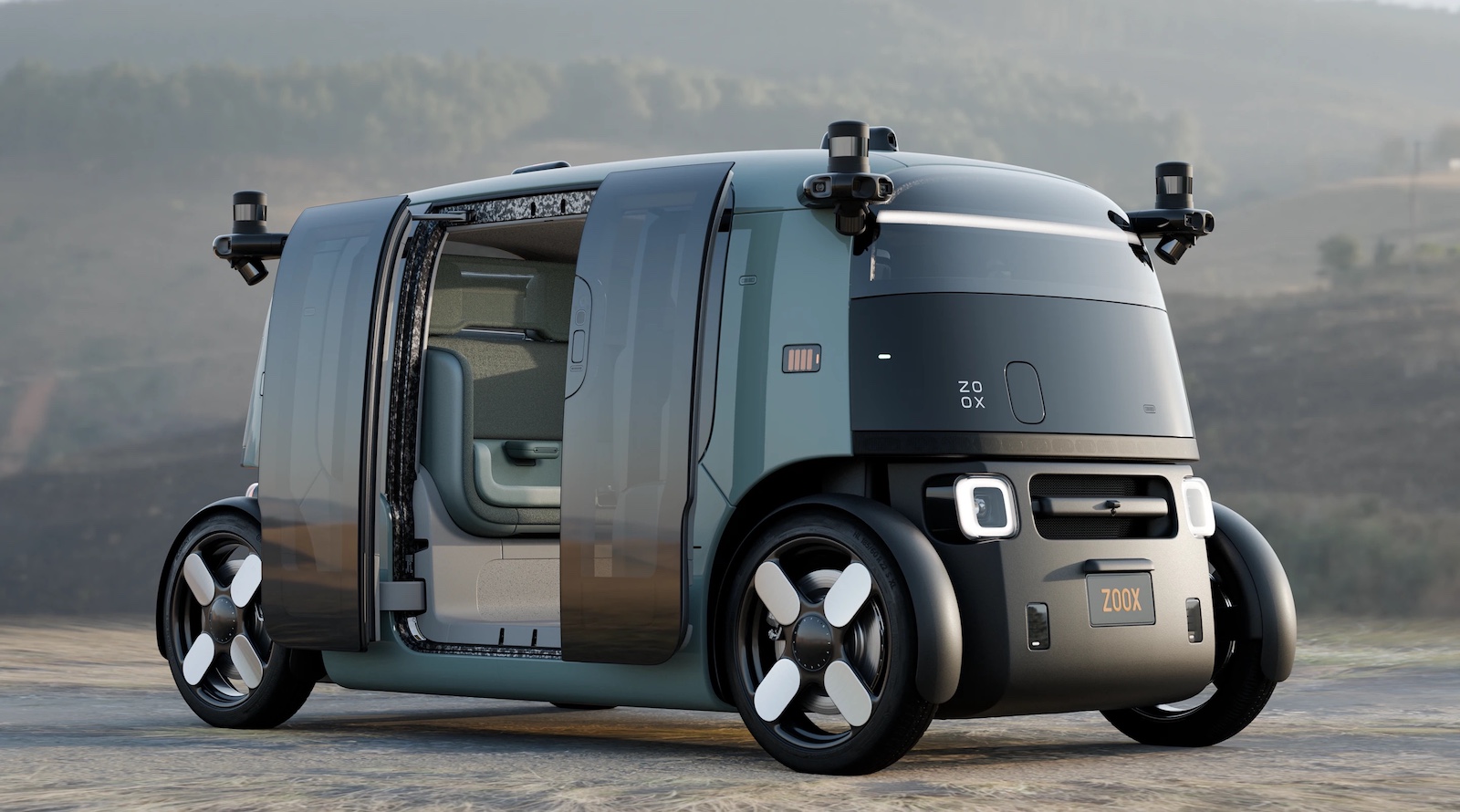
Zoox's rise can be attributed to its unique vehicle design—a purpose-built, symmetrical robotaxi without a steering wheel—and its focus on dense urban environments. The company has also benefited from Amazon's logistical and financial backing, allowing it to invest heavily in technology and infrastructure.
What This Means for the Robotaxi Industry
The NHTSA approval is a landmark decision that could reshape the competitive landscape of autonomous ride-hailing. With the ability to deploy up to 5,000 vehicles and charge passengers, Zoox is poised to accelerate its expansion. The company has not yet announced specific plans for other cities, but the Las Vegas launch is expected to be a testbed for scaling operations.
Industry analysts speculate that Zoox's entry into paid service will intensify competition, potentially leading to lower prices and improved service for consumers. Waymo, which has dominated the market, may need to innovate further to maintain its lead. Tesla, another major player, is also developing its own robotaxi network, adding to the competitive pressure.
Safety and Regulatory Considerations
Zoox's approval comes after rigorous safety assessments by NHTSA. The agency evaluated the company's autonomous driving system, vehicle design, and operational protocols. Zoox has emphasized its commitment to safety, with a redundant sensor suite and fail-safe mechanisms. The company has also worked closely with local regulators in the cities where it operates.
Despite the progress, challenges remain. Public acceptance of autonomous vehicles is still evolving, and incidents involving other robotaxi operators have raised concerns. Zoox will need to maintain a high safety record to build trust among passengers and regulators.

Looking Ahead
As Zoox begins charging passengers next week, the company enters a new phase of its journey. The revenue generated from fares will help offset the high costs of developing and maintaining autonomous fleets. More importantly, the move signals that robotaxis are transitioning from experimental projects to viable commercial services.
With the ability to scale up to 5,000 vehicles, Zoox could significantly increase its market presence. Whether it can challenge Waymo's dominance remains to be seen, but the next few years will be critical. The competition will likely drive innovation, benefiting consumers who are increasingly open to autonomous transportation.
For now, all eyes are on Las Vegas, where Zoox will take its first step toward becoming a major player in the robotaxi industry. The outcome of this launch could set the tone for the future of urban mobility.
This article is based on reporting by CleanTechnica. Read the original article.
Originally published on cleantechnica.com