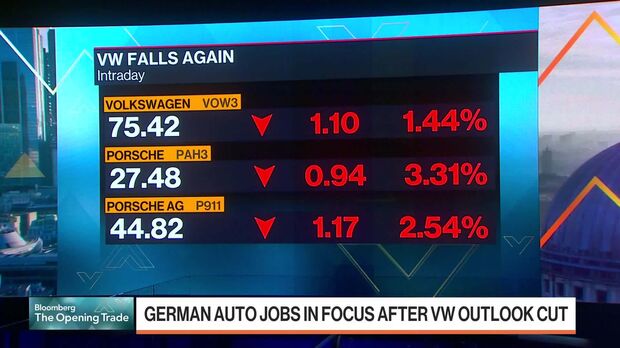
Volkswagen's Profit Warning Sets the Stage for a National Day of Protest
Tens of thousands of workers drawn from Germany's automotive suppliers and its biggest car brands are preparing to demonstrate on Sept. 21 in defense of factories and jobs, according to Automotive News. The wave of protest was set in motion by Volkswagen's decision to cut its profit outlook, a move that has sharpened the anxiety running through the country's most important manufacturing industry.
The planned action is notable less for its size than for its breadth. This is not a dispute confined to a single company's factory gates or a single brand's bargaining table. Workers from across the supplier base and from several rival manufacturers are expected to take part, turning a corporate financial revision into a moment of collective unrest for German industry.
Who Is Taking Part
The coalition assembling for the demonstrations stretches across the sector's most recognizable names and its less visible but equally essential component makers. According to the source report, the participants include:
- Workers from Mercedes
- Workers from BMW
- Workers from Audi
- Workers from Porsche
- Employees of automotive suppliers across the component chain
That mix matters. When employees at competing premium brands and at the suppliers who sell to all of them mobilize on the same day, it signals that the concern is not about one company's strategy but about the direction of the entire industrial base. A supplier that loses volume because one customer trims output feels the pain just as acutely as the assembly line that slows down.

Why a Profit Warning Carries So Much Weight
Guidance on profitability is not a backward-looking accounting exercise. It is management's forward view of the conditions it expects to face: how many vehicles it believes it can sell, at what prices, and at what cost. When a carmaker of Volkswagen's scale reduces that outlook, the message to employees, suppliers and investors is that the near-term environment looks harder than previously assumed.
In a capital-intensive industry, that message travels quickly. Profit expectations shape which model programs get funded, which plants receive new investment, how many shifts are scheduled, and whether temporary staff are retained or released. For a workforce, a downward revision is therefore not an abstraction on a spreadsheet. It reads as a question mark placed over job security, plant utilization and the future of specific sites.
The fact that the warning came from Volkswagen specifically amplifies its impact. As one of the sector's largest players and a bellwether for German manufacturing, its financial signals are read across the supply chain as an indication of what may be coming for everyone else.
The Supplier Layer Is the Most Exposed
The presence of supplier employees in the planned protests reflects a hard reality of the automotive value chain. Component makers typically operate on thinner margins and with far less financial cushion than the manufacturers they serve. They also carry heavy fixed costs tied to tooling, machinery and specialized facilities that cannot be quickly scaled back when order volumes fall.
That combination leaves suppliers acutely sensitive to any shift in production plans upstream. A decision by a major customer to slow a line or rethink a vehicle program can translate into reduced orders, idle capacity and difficult choices about staffing within a matter of months. For workers at those firms, the fortunes of the big brands and their own job security are directly linked, which helps explain why a protest framed around Volkswagen's finances draws in employees who do not work for Volkswagen at all.
The Broader Mood in German Manufacturing
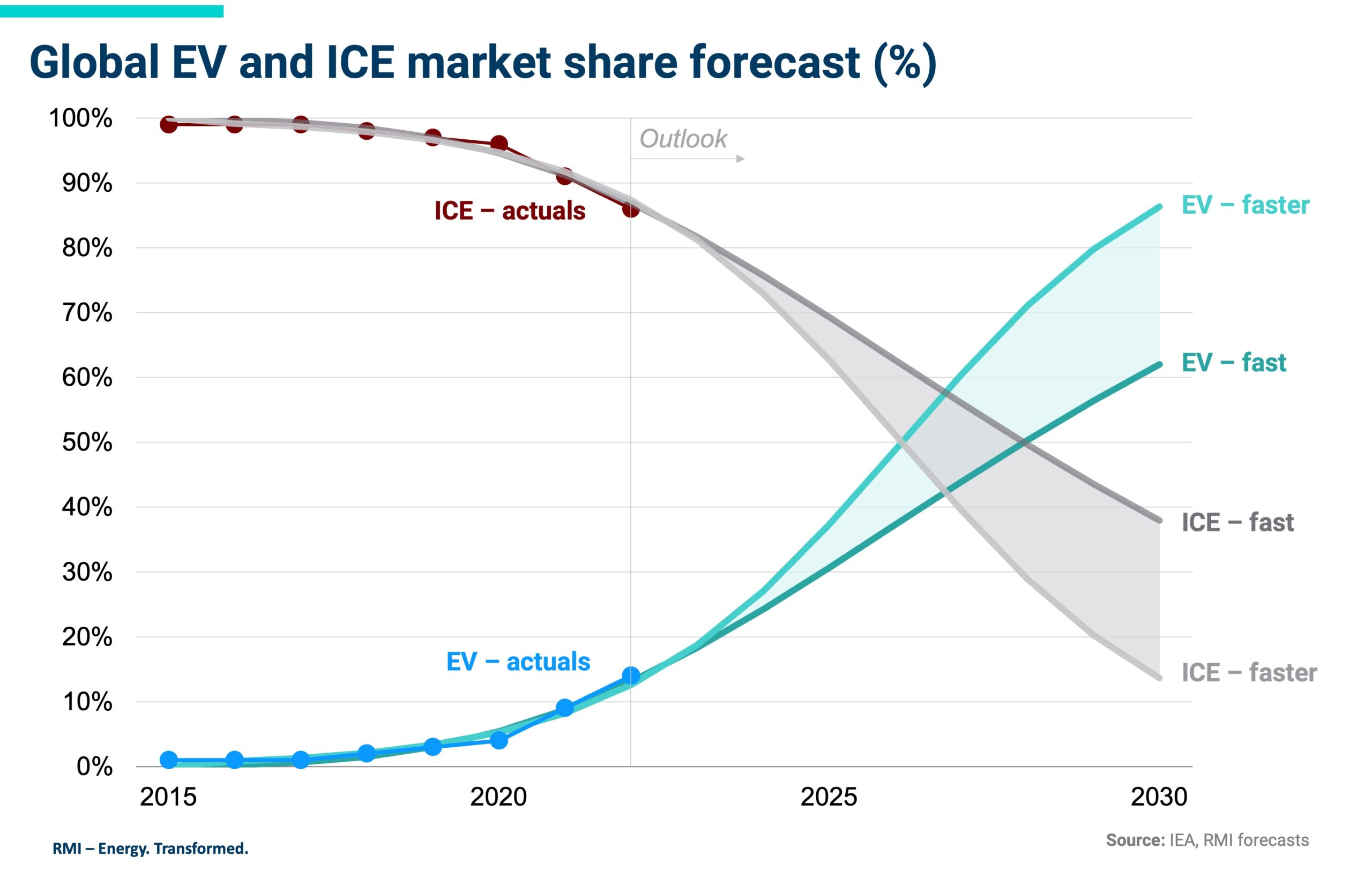
Against this backdrop, the Sept. 21 demonstrations are best understood as an expression of accumulated unease rather than a reaction to a single announcement. Public debate in Germany has for some time centered on how the country's industrial base competes in a rapidly changing global vehicle market, and on what that transition means for the communities built around car plants and their suppliers.
Those conversations have taken on added urgency for workers because the stakes are structural, not cyclical. A temporary dip in demand can be waited out. Questions about which plants have a long-term role, and which technologies and components will be produced where, cannot. That distinction is precisely what makes a revised profit outlook feel like something more consequential than a quarterly fluctuation.
What the Protests Can and Cannot Achieve
A one-day mobilization of tens of thousands of workers will not by itself alter a company's capital allocation plan or rewrite a profit forecast. What such an action can do is raise the political and reputational cost of decisions that workers view as threatening plants and jobs. Visible, cross-company demonstrations put pressure on management, on labor representatives engaged in negotiations, and on policymakers who are being asked to weigh in on the industry's future.
The scale of the turnout will itself be read as a signal. A large, coordinated show of force across brands and suppliers suggests that the discontent is broad enough to be difficult to dismiss as the grievance of a single workforce. A smaller or fragmented turnout would send the opposite message.

Signals to Watch Next
The coming weeks will reveal whether the protests mark a peak of frustration or the opening of a longer campaign. Several indicators will be telling:
- Whether Volkswagen's revised profit outlook is followed by concrete announcements on capacity, shift patterns or plant assignments
- Whether other manufacturers and suppliers adjust their own guidance or production plans
- Whether the demonstrations remain a single-day event or evolve into rolling or repeated actions
- Whether political leaders respond with proposals aimed at supporting the industrial base and its workforce
- Whether labor representatives gain leverage in discussions over job protection and future investment
The Bottom Line
Volkswagen's decision to cut its profit outlook has done more than disappoint investors. It has given Germany's automotive workforce a focal point for a much wider set of fears about plants, employment and the country's manufacturing future. The Sept. 21 protests, drawing in employees from Mercedes, BMW, Audi, Porsche and the supplier network that keeps them all running, will be the clearest measure yet of how deep that unease runs and how forcefully workers intend to press their case.
This article is based on reporting by Automotive News. Read the original article.
Originally published on autonews.com