Automaker Pushes Back on Ottawa's Pressure
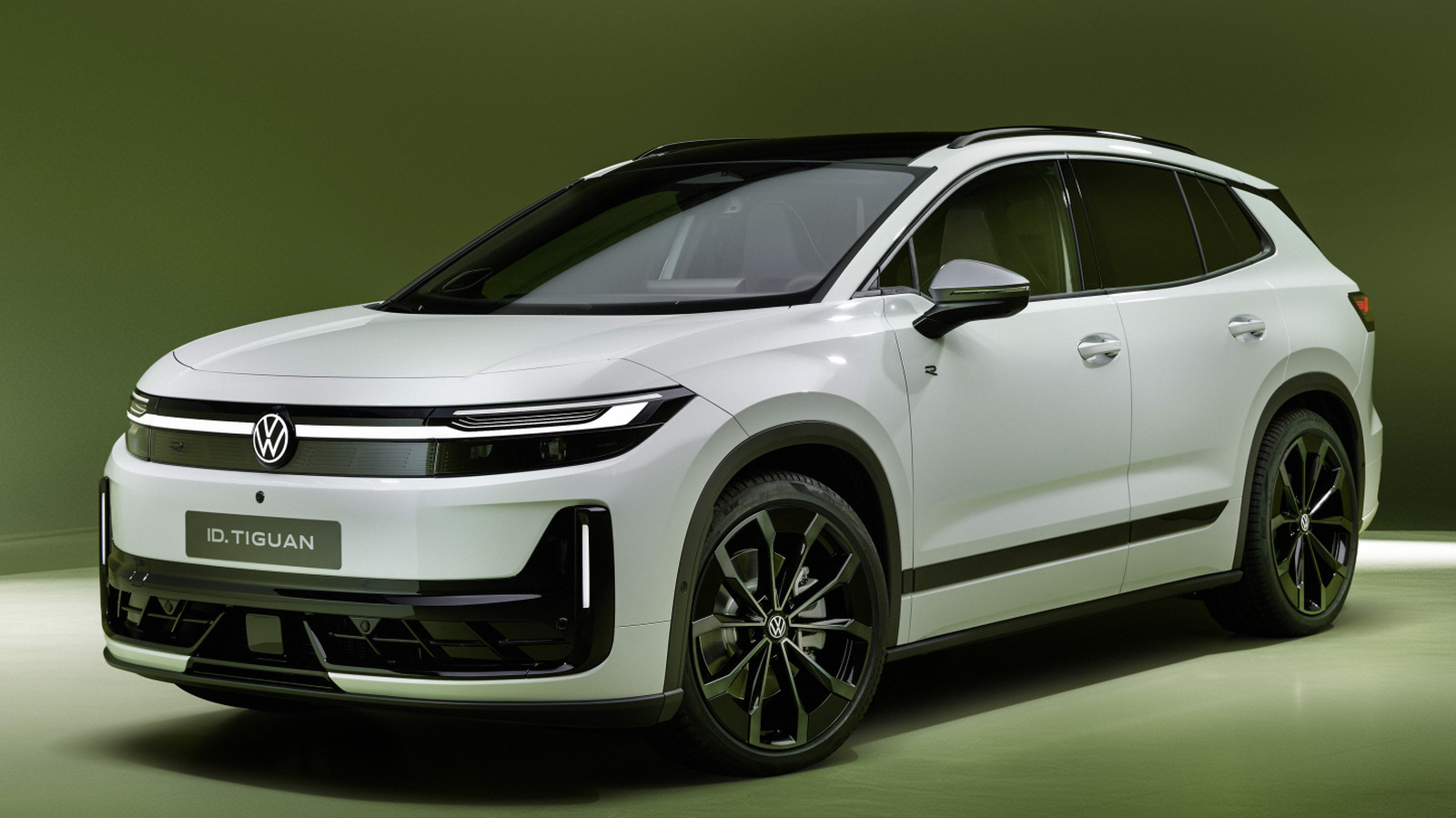
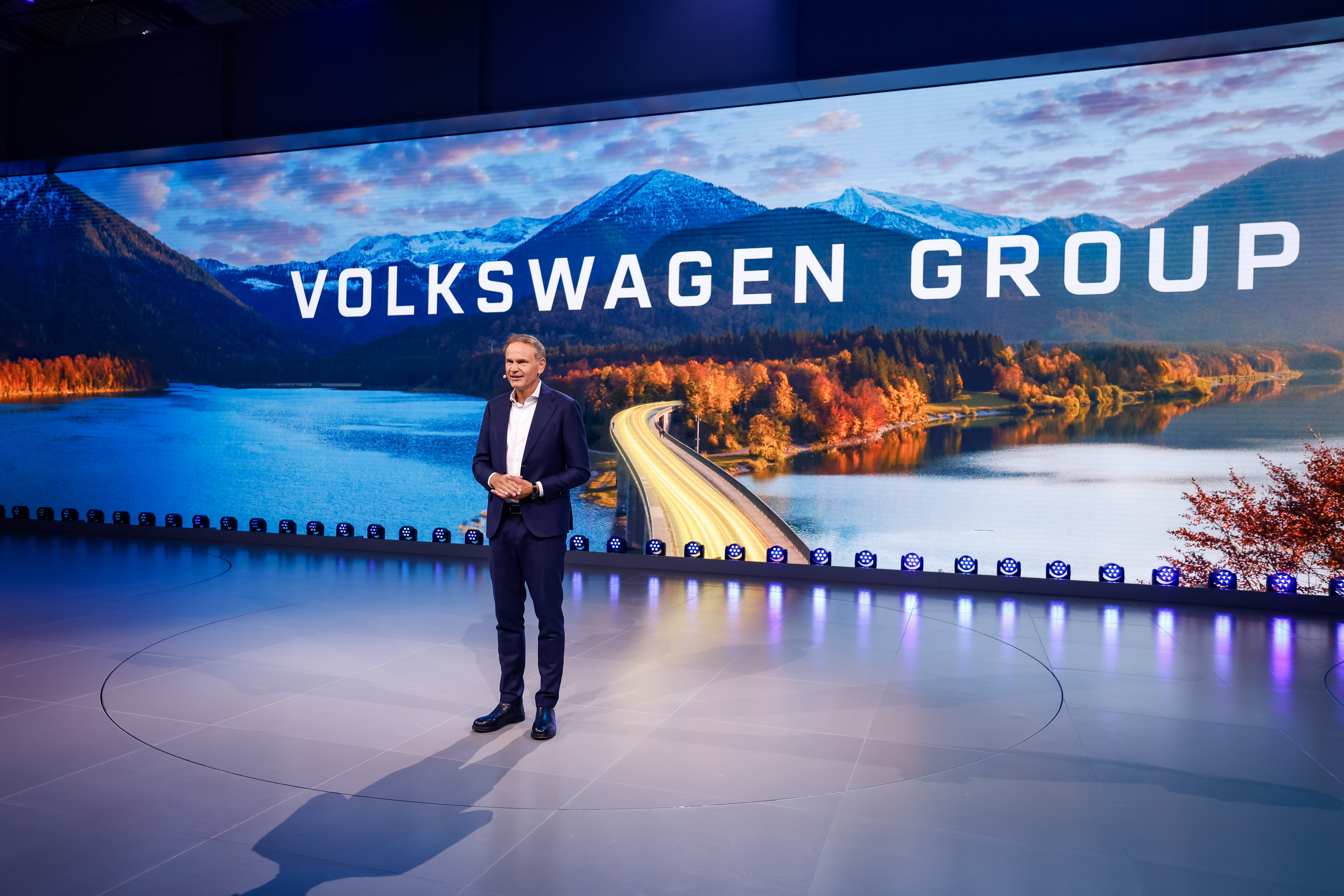
Volkswagen Group CEO Oliver Blume has firmly rejected Canadian government attempts to link the country's multibillion-dollar submarine procurement contract to automotive investments. Speaking at the company's annual media conference in Wolfsburg, Germany, Blume stated that Volkswagen does not couple its business activities to other deals and will make decisions based solely on what makes sense for the company.
The declaration puts Volkswagen at odds with Canadian Industry Minister Mélanie Joly, who has publicly stated that the submarine contract should be leveraged to attract automotive investment. The standoff highlights the complex intersection of defense procurement, industrial policy, and global automotive strategy that increasingly characterizes international economic relationships.
The Submarine Contract
At the center of the dispute is a massive submarine procurement contract expected to be worth up to 60 billion Canadian dollars, approximately 44 billion US dollars, including production and 30 years of maintenance. Two shipbuilders are competing for the contract: Germany's Thyssen Krupp Marine Systems and South Korea's Hanwha Ocean Co.
Canada has been seeking to replace its aging fleet of Victoria-class submarines, which have been plagued by maintenance issues and limited operational availability. The new submarines would represent the country's most significant military procurement in decades and a major economic opportunity for whichever nation's bid is selected.
The Canadian government has sought to extract maximum economic benefit from the procurement by linking it to broader industrial commitments. Minister Joly explicitly stated in a February speech that Canada wants a car plant as part of the deal and is negotiating with both German and Korean companies to leverage defense investments for automotive sector benefits.
VW's Position
Blume's refusal to play along with this linkage reflects Volkswagen's view that its automotive investments should be evaluated on their own merits rather than as bargaining chips in unrelated procurement decisions. The company is already partway through construction of a seven-billion-dollar battery cell manufacturing plant in St. Thomas, Ontario, through its PowerCo subsidiary, expected to begin production in 2027.
The CEO emphasized that Volkswagen maintains regular contact with the Canadian government regarding the battery plant and is pursuing raw materials deals in Canada, which he said has much to offer in terms of critical minerals for battery production. However, he drew a clear line between these activities and the submarine procurement process.
Key points from Blume's position include:
- VW does not link its investments to external procurement decisions
- The company will pursue opportunities that make strategic sense independently
- The $7 billion Ontario battery plant proceeds on its own timeline
- Canada's critical minerals are of interest regardless of submarine deals
Canada's Industrial Strategy
Ottawa's attempt to link submarine procurement to automotive investment reflects a broader Canadian industrial strategy that seeks to maximize the domestic economic impact of major government purchases. The approach is not new. Countries routinely impose offset requirements on defense contracts, requiring foreign suppliers to invest in local industry as a condition of winning business.
However, Canada's approach is unusual in its directness and in the breadth of the linkage being attempted. Rather than requiring submarine-related industrial offsets, Ottawa is trying to leverage the defense contract to attract automotive investments that are only tangentially related to the procurement itself.
Hyundai is facing similar pressure to establish local automotive assembly operations as South Korea's Hanwha Ocean competes for the submarine contract. Unlike Volkswagen, Hyundai has no manufacturing footprint in Canada, making the ask more significant but also potentially more attractive as a bargaining chip.
The Broader Context
The dispute takes place against a backdrop of intense global competition for automotive investment, particularly in electric vehicle and battery production. Countries around the world are offering massive subsidies and incentives to attract EV manufacturing, and Canada has been an active participant in this competition, offering substantial support packages to secure investments from companies including Stellantis, Honda, and Volkswagen's PowerCo.
The strategy has yielded results. Canada has attracted significant battery manufacturing investment in recent years, positioning itself as a North American hub for EV supply chain activities. However, the country has been less successful in attracting new vehicle assembly plants, which provide larger numbers of jobs and greater economic impact than battery facilities alone.
This gap between battery investment and vehicle assembly is what drives the government's desire to use every available lever, including defense procurement, to attract automotive manufacturing. Whether this approach will succeed remains to be seen, but Volkswagen's public rejection of the linkage suggests that at least some companies view the strategy as overreach.
What Happens Next
The submarine procurement decision is expected in the coming months, and the competing bids from TKMS and Hanwha Ocean will be evaluated on technical, operational, and economic criteria. Whether automotive investment commitments factor into the final decision, formally or informally, remains one of the key questions hanging over the process. Volkswagen's refusal to participate in the linkage may reduce its leverage over the outcome, but it also reflects a principled position that business decisions should be made on their own merits rather than entangled with unrelated government procurement.
This article is based on reporting by Automotive News. Read the original article.
Originally published on autonews.com