China moves deeper into global motorsport hardware
China has become a major force in automotive manufacturing, electric vehicles, and increasingly in motorsport participation. But one gap has remained conspicuous: while Chinese teams and brands have established a presence across racing, the country has not yet produced a domestically built challenger for the GT3 class, one of the most important categories in international sports car competition. Great Wall Motor now says it intends to change that.
At Auto China 2026 in Beijing, Great Wall Motor disclosed that it is developing a GT3 race car called Great Faith. The program will be powered by an in-house 4.0-liter twin-turbo V8 and is expected to support a related production model. If the project reaches the grid on the timeline cited in the source material, it could launch as soon as next year.
The announcement is significant not just because it adds another race car to a crowded field, but because it marks a step change in how Chinese automakers are positioning themselves globally. GT3 is not a niche regional formula. It is one of the most widely used customer-racing platforms in the world, with relevance across endurance racing, national championships, and international manufacturer branding. Entering that arena requires more than marketing. It requires engineering credibility, homologation discipline, and proof under competition conditions.
A performance push from a company known for utility vehicles
Great Wall Motor is best known for crossovers, SUVs, and off-road-focused products rather than elite circuit racing. That makes the GT3 effort a notable strategic expansion. The company used the Beijing event to connect the Great Faith project to a broader performance push, including the introduction of a performance subsidiary.
That context matters. A GT3 program can serve as a halo initiative, but it also tends to work best when it supports a broader product and brand architecture. By linking the race car to an eventual road-going model, Great Wall is signaling that this is more than a one-off showpiece. The company appears to be using motorsport as both a technical proving ground and a way to reposition part of its portfolio toward higher-performance identity.
The source text also notes one existing exception within Great Wall’s mostly utility-led business: its Spotlight Automotive joint venture with BMW, which produces the new electric Mini Cooper outside North America. Even so, the GT3 announcement points to a different ambition altogether. Rather than assembling for a partner, Great Wall is presenting a performance project built around its own powertrain and motorsport agenda.
The V8 choice is deliberate
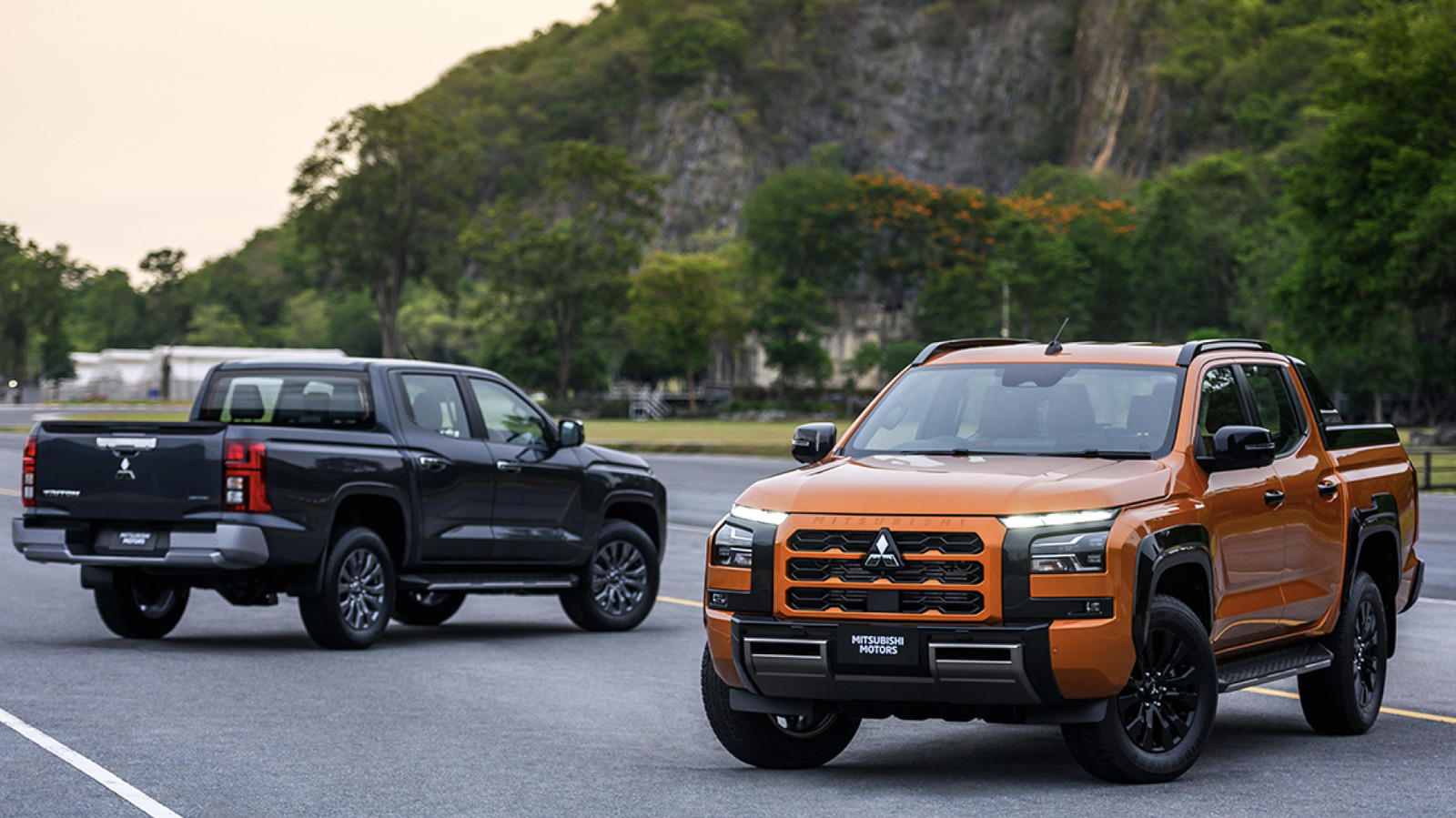
The centerpiece of the program is the engine: a 4.0-liter twin-turbo V8 developed in-house. In a racing environment increasingly defined by powertrain efficiency, packaging, durability, and balance-of-performance calibration, that choice places Great Wall directly into conversation with established sports car manufacturers rather than aspiring startup entrants.
It also gives the company a symbolic asset. High-performance V8 development still carries weight in enthusiast and motorsport culture, especially in GT racing, where sound, character, and endurance identity remain part of the product. The source notes that Toyota’s GR GT3 is also set to use a 4.0-liter V8, putting Great Wall’s concept into a competitive frame with major incumbents and near-term newcomers alike.
Still, an engine announcement is only the beginning. GT3 success depends on a much wider system that includes chassis development, aerodynamics, cooling, reliability, serviceability, and customer team support. The fact that Great Wall has tied the project to a named car and a new performance arm suggests it understands the scale of that task, but execution will determine whether the announcement becomes a milestone or just a headline.
Leadership and timing
According to the supplied report, former McLaren chief engineer Adam Thomson is leading the effort. That detail is one of the strongest signals that Great Wall is treating the project seriously. GT3 is a mature and technically demanding arena, and external leadership with top-tier motorsport experience can reduce the learning curve in design, testing, and program structure.
The suggested launch window, as soon as next year, is ambitious. It implies rapid work on development, validation, and homologation if the project is to become race-ready on schedule. The source does not provide details on testing progress, customer team commitments, or debut series, so those remain open questions. But even at announcement stage, the program stands out because it combines a concrete powertrain, named leadership, and an intended production-car connection.

Part of a broader Chinese racing ambition
Great Wall’s move does not stand alone. The source describes a wider push by Chinese automakers to gain stronger representation in international motorsport machinery, not just team ownership or sponsorship. Chery is said to have a five-year roadmap toward the 24 Hours of Le Mans, while BYD has expressed interest in Formula 1 and the World Endurance Championship. Rumors cited in the source also point to BYD exploring a hypercar pathway.
Taken together, these signals suggest a new phase for the Chinese auto industry. For years, Chinese brands have been measured mainly by manufacturing scale, domestic competition, and export expansion. Motorsport changes that frame. Racing programs, especially those in globally recognized categories, allow companies to compete for legitimacy in engineering performance, durability, and emotional brand value. They are also public demonstrations that a company believes its technology and identity can survive scrutiny on an international stage.
The benchmark will be the track
If Great Faith reaches competition, it will enter a field populated by established names including Porsche and Ferrari, as well as new-generation challengers such as Toyota’s forthcoming GR GT3. That is a demanding environment for any new manufacturer, especially one attempting to become the first Chinese entrant in the class.
For Great Wall, the opportunity is clear. A credible GT3 car could help create a new performance image for the company and give China a long-missing presence in one of motorsport’s most visible customer-racing categories. But the standard is unforgiving. In GT3, branding may open the door, yet reliability, pace, and race results decide whether a program matters.
The announcement therefore reads as both an industrial statement and a test. China’s automotive sector has already proven it can scale, export, and innovate. Great Wall is now making the case that it can also build a machine to race head-to-head with the sport’s most established manufacturers. The next step is not another presentation stage. It is the circuit.
This article is based on reporting by The Drive. Read the original article.
Originally published on thedrive.com