A routine rental return turned into a major bill
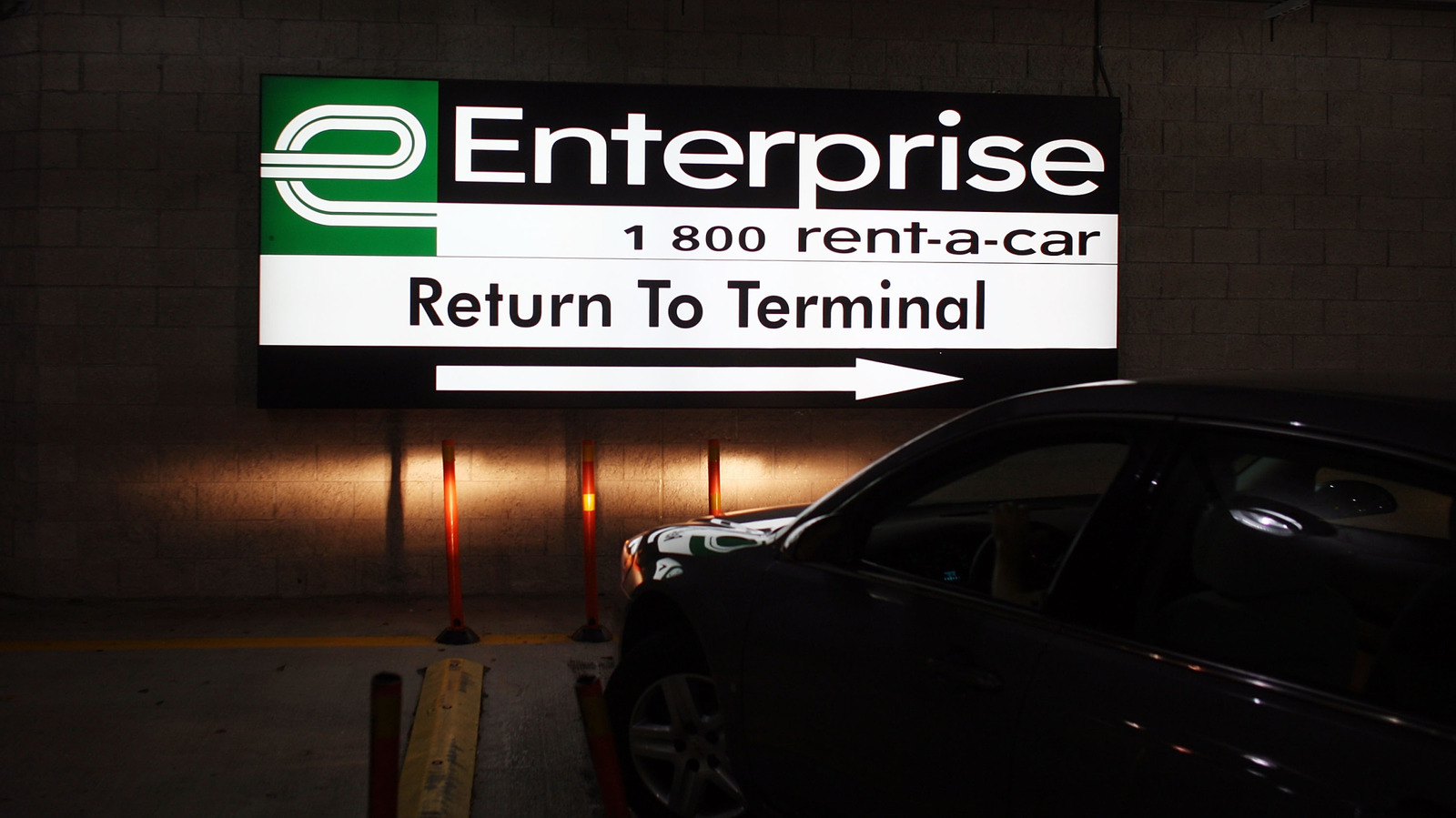
A Canadian couple says an ordinary car rental spiraled into a months-long dispute after Enterprise accused them of putting diesel fuel into a gasoline-powered SUV and demanded nearly $9,500 in damages. According to the source text, Kelly and Katherine Graves had been home for about a week after a trip in the Edmonton, Alberta area when the company contacted them with the claim.
Enterprise's allegation was serious and specific. The couple were told that the vehicle, a 2025 Dodge Durango, would no longer start and that diesel fuel had allegedly been found in the engine. They were given two options: file an insurance claim or pay the bill. The couple refused both, maintaining they had not misfueled the vehicle.
The evidence they say supports their case
The dispute gained traction because the couple had unusually concrete documentation. The source says they kept receipts from the return-trip fill-up and also took a photo of the exact gas pump they used. Those records, as described in the article, showed two separate transactions totaling just over 48 liters of regular gasoline.
The pump photo mattered as well. The image reportedly showed a station setup with one nozzle and standard grade selections such as regular, mid-grade, and premium. Diesel was not dispensed at that particular pump, according to the source text. If accurate, that sharply undercuts the allegation that diesel from that stop caused the problem.
The mechanical detail that complicates the claim
The source adds another important point: the 2025 Dodge Durango rented by the couple was described as having a filler neck designed around regular gasoline. Many newer vehicles use filler-neck designs that match the width of the required nozzle. In practical terms, that means a diesel nozzle, which is typically wider, may not fit a vehicle intended for gasoline.
That design feature does not prove what happened on its own, but it raises the bar for the original accusation. A company claiming diesel contamination in such a vehicle would need a persuasive explanation for how the wrong fuel was introduced despite the physical mismatch described in the source.
Why the story resonated
The case is about more than one disputed repair invoice. Rental cars sit at an awkward intersection of trust, documentation, and delayed liability. Customers often assume that once a vehicle is inspected and accepted at return, the transaction is effectively over. A later claim can feel difficult to challenge, especially when the company controls the inspection process and the customer no longer has the vehicle.
That imbalance helps explain why this case drew attention. The couple's position was not based on a vague denial. It was anchored in receipts, pump images, and the vehicle's reported fueling design. In a typical consumer dispute, those pieces of evidence are exactly what renters are told to retain if they want to protect themselves.
What changed
The candidate metadata says the story worsened before it improved: after questions began coming from lawyers and from CBC's Go Public, Enterprise decided it was no longer pursuing the claim. That detail is significant because it suggests the pressure of outside scrutiny played a role in the outcome.
Based on the supplied material, Developments Today cannot go beyond that description to characterize Enterprise's reasoning. But the sequence still matters. A demand for almost $10,000 stood for months, the customers contested it, supporting evidence was presented, and only after legal and media attention did the company back away.
The broader lesson for renters
The practical takeaway is straightforward. Keep fuel receipts. Photograph the pump if anything about the transaction could later matter. Take return-condition photos of the vehicle, especially at airports or busy rental counters where inspections may be rushed. None of those steps guarantee a painless dispute, but this case shows they can become central evidence.
It also highlights how design details in modern vehicles can shape liability questions. If filler necks and nozzle sizes reduce the chance of misfueling, then disputes about contamination may increasingly hinge on whether a company's technical explanation matches the hardware involved.
A consumer trust problem
For rental companies, the long-term issue is credibility. Damage and fueling claims are part of fleet operations, but aggressive or weakly supported demands can erode customer trust faster than they recover direct repair costs. This case reached public attention because the billing appeared difficult to reconcile with the documentation the renters retained.
That makes the story relevant beyond one couple and one vehicle. As cars become more instrumented and more design-constrained, consumers may expect post-rental claims to be backed by clearer evidence and faster resolution. When that does not happen, the dispute itself becomes the bigger story.
This article is based on reporting by Jalopnik. Read the original article.
Originally published on jalopnik.com